 EN
EN

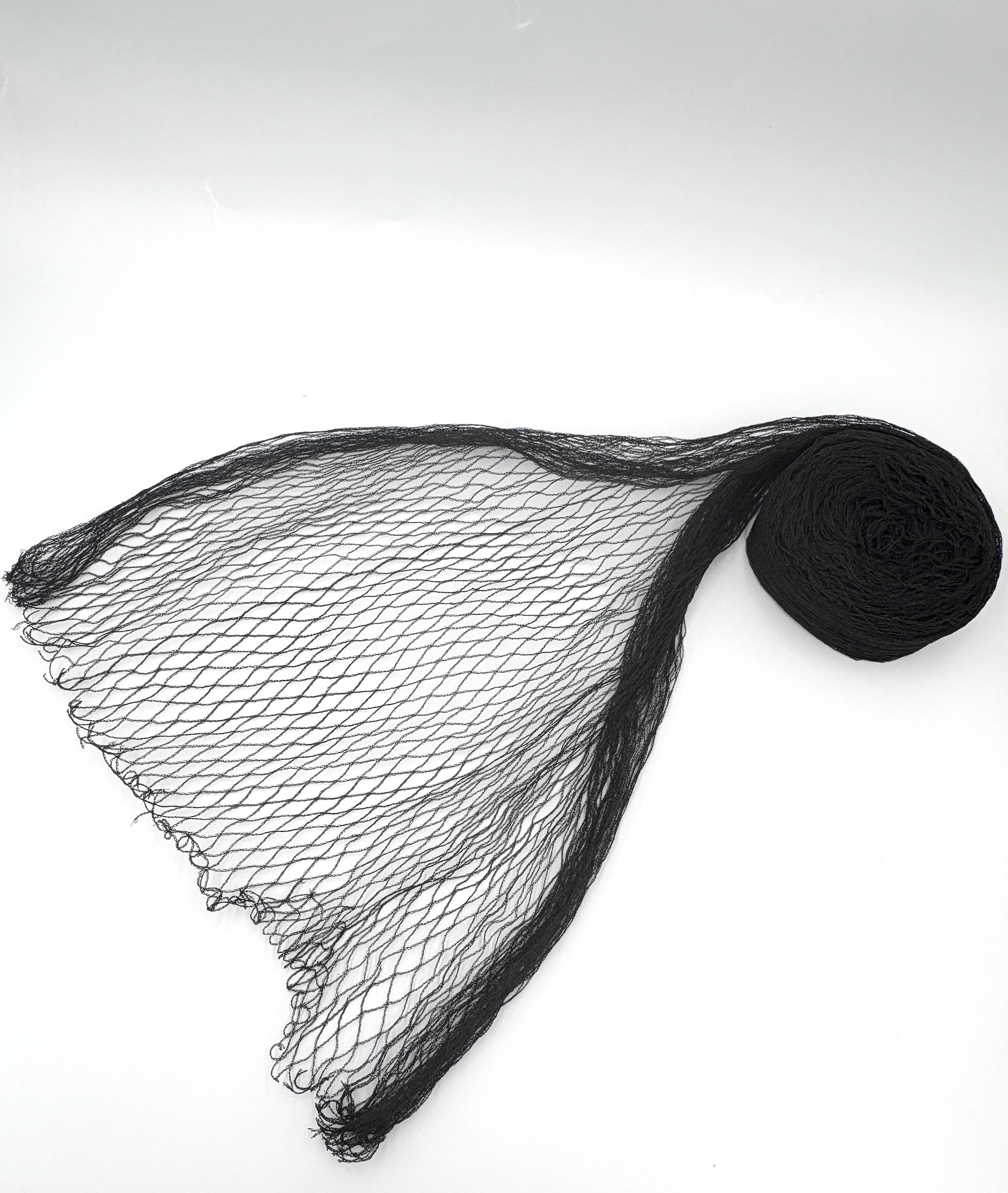
When sourcing bird net in bulk for commercial or agricultural distribution, quality is not a secondary concern — it is the foundation of every successful import decision. Buyers who overlook material specifications, mesh consistency, and structural durability often face costly returns, customer complaints, and damaged supplier relationships. Understanding what separates a reliable bird net from a substandard one is essential before placing any large-volume order.
Bulk importing of bird net involves navigating a complex set of quality variables that go far beyond surface appearance. From the raw polymer used in production to the UV stabilization process, the weave structure, and the dimensional accuracy of each roll, every factor contributes to how well the product performs in real-world conditions. This article breaks down the critical quality factors that importers must evaluate to make informed, risk-managed purchasing decisions.
Material Composition and Polymer Grade
Why Polymer Selection Defines Long-Term Performance
The base material of any bird net determines its tensile strength, flexibility, and resistance to environmental degradation. High-density polyethylene, commonly known as HDPE, is the most widely used polymer for bird net production due to its balance of strength, weight, and cost-effectiveness. However, not all HDPE is manufactured to the same grade, and the difference between virgin resin and recycled or blended material can be significant in terms of product lifespan.
Virgin HDPE offers consistent molecular structure, which translates into predictable mechanical performance across the entire roll. Recycled or mixed-grade polymers may introduce inconsistencies in fiber diameter, tensile load capacity, and color uniformity. For bulk importers supplying professional agricultural or horticultural markets, specifying virgin-grade HDPE in purchase agreements is a practical safeguard against quality variance.
Polypropylene is another material occasionally used in bird net manufacturing. While it can offer adequate short-term performance, it tends to become brittle under prolonged UV exposure compared to properly stabilized HDPE. Importers should request material certification documents from suppliers to verify the polymer type and grade before committing to large orders.
Fiber Diameter and Denier Consistency
The diameter of individual fibers within a bird net directly affects its load-bearing capacity and resistance to tearing. Thicker fibers generally provide greater strength, but the key quality indicator is consistency — fibers that vary in diameter across a single roll indicate poor extrusion control during manufacturing. This inconsistency creates weak points that can fail under tension or repeated mechanical stress.
When evaluating bird net samples, importers should request technical data sheets that specify fiber denier or diameter tolerances. Reputable manufacturers maintain tight production tolerances and can provide batch-level quality records. Requesting multiple samples from different production batches is a practical way to assess whether a supplier maintains consistent fiber quality over time.
UV Stabilization and Weather Resistance
The Role of UV Additives in Outdoor Applications
Bird net is predominantly used in outdoor environments — over ponds, gardens, orchards, and agricultural fields — where it is exposed to direct sunlight for extended periods. Without adequate UV stabilization, even high-quality HDPE will degrade rapidly, becoming brittle, discolored, and structurally compromised within a single growing season. UV stabilizers are chemical additives incorporated into the polymer during extrusion to absorb or neutralize the damaging effects of ultraviolet radiation.
The concentration and type of UV stabilizer used in bird net production is a critical quality differentiator. Products marketed as offering three, five, or ten years of UV resistance should be backed by accelerated weathering test data, such as results from ASTM G154 or ISO 4892 testing protocols. Importers should request these test reports and verify that the claimed UV resistance aligns with the intended end-use environment and climate zone of their target market.
It is worth noting that UV stabilization quality is not visible to the naked eye. Two rolls of bird net may look identical but perform very differently after six months of outdoor exposure. This makes laboratory verification and supplier transparency particularly important when sourcing bird net in bulk for resale or distribution.
Color Stability as a Quality Indicator
Color fading in bird net is often the first visible sign of UV degradation. While color itself does not affect structural performance directly, rapid fading indicates that the UV stabilizer package is insufficient or that low-quality pigments were used. In markets where product appearance matters to end users — such as residential garden or premium horticultural applications — color stability is a legitimate quality concern.
Black bird net generally offers better UV resistance than colored variants because carbon black, used as a pigment, also functions as a UV absorber. Green and white variants require additional UV stabilizer loading to achieve comparable outdoor durability. Importers sourcing colored bird net should specifically ask about the UV stabilizer dosage used in non-black products.
Mesh Geometry and Dimensional Accuracy
Aperture Size and Its Functional Implications
The mesh aperture — the size of each opening in the bird net — must be appropriate for the target bird species being excluded. A bird net with apertures that are too large will allow smaller birds to pass through, rendering it ineffective. Conversely, overly small apertures increase material weight, reduce light and air transmission, and raise production costs unnecessarily. Importers must clearly specify the required aperture size and verify that delivered goods match those specifications within acceptable tolerances.
Dimensional accuracy in mesh aperture is a reflection of manufacturing precision. Inconsistent aperture sizes within a single roll suggest poor loom calibration or inadequate quality control during weaving or extrusion. When evaluating bird net samples, measuring multiple apertures across the width and length of the sample provides a practical check on dimensional consistency.
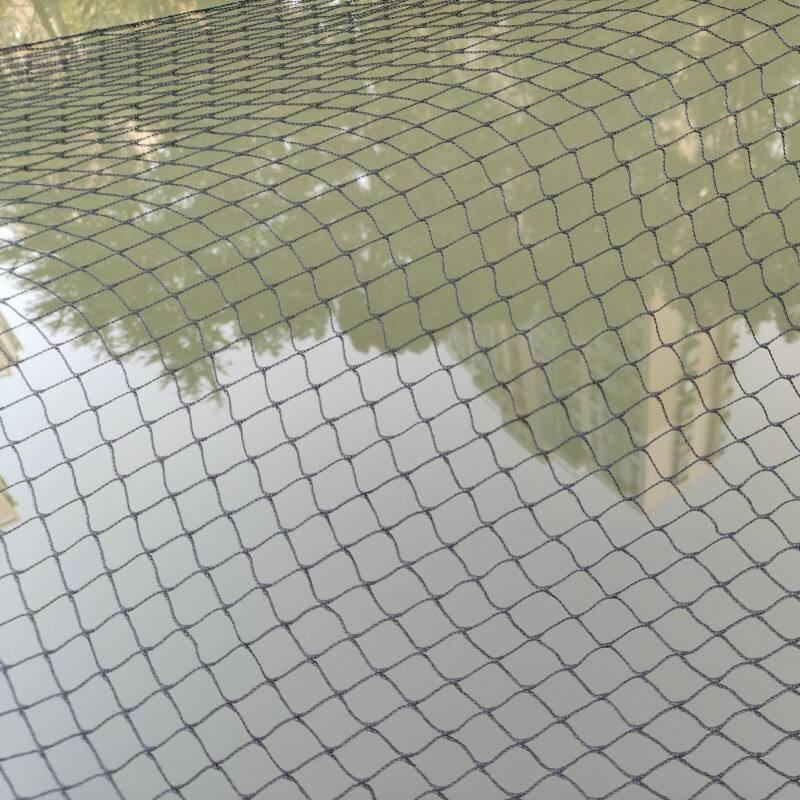
Standard aperture sizes for bird net typically range from 15mm to 50mm depending on the application. Pond and garden applications commonly use 15mm to 20mm apertures to exclude small birds and debris, while larger orchard or vineyard applications may use 25mm to 50mm apertures. Confirming that the supplier's production capabilities align with the required specification is a basic but essential step in the sourcing process.
Roll Dimensions and Weight Tolerances
Bulk orders of bird net are typically specified by roll width, roll length, and weight per unit area (grams per square meter, or GSM). Discrepancies between specified and delivered dimensions are a common source of commercial disputes in bulk importing. A roll that is consistently 2–3% shorter than specified may seem minor on a single unit but represents significant material shortfall across a large shipment.
GSM is a particularly important quality metric because it reflects the actual material content of the bird net. A lower-than-specified GSM indicates that the manufacturer has reduced fiber content, which directly impacts tensile strength and durability. Importers should weigh sample rolls and calculate GSM independently rather than relying solely on supplier-provided specifications.
Establishing clear dimensional tolerances in purchase contracts — for example, allowing no more than ±2% variance in roll length and ±5% variance in GSM — provides a contractual basis for quality claims and returns. This level of specification detail is standard practice in professional bulk importing and protects both parties from ambiguity.
Knot and Weld Integrity
Knotted Versus Extruded Mesh Construction
Bird net is manufactured using two primary construction methods: knotted netting, where individual strands are tied at intersection points, and extruded or welded mesh, where the net is formed as a single continuous structure. Each method has distinct quality implications. Knotted bird net offers flexibility and ease of repair but is only as strong as its knots. Extruded mesh provides uniform strength across the entire surface but requires precise manufacturing control to avoid weak zones at junction points.
For knotted bird net, knot tightness and consistency are the primary quality indicators. Loose or inconsistent knots will slip under load, causing aperture distortion and structural failure. Quality knotted bird net should have knots that are tight, uniform in size, and resistant to slippage when the mesh is stretched. Pulling on sample sections of the net and observing knot behavior under tension is a practical field test that importers can perform on received samples.
Weld Strength in Extruded Products
In extruded bird net, the quality of junction welds determines the overall structural integrity of the product. Poorly welded junctions will separate under moderate tension, creating holes that defeat the purpose of the net entirely. Weld strength can be tested by applying lateral tension to individual mesh openings and observing whether junctions hold or separate.
Reputable manufacturers of extruded bird net conduct weld strength testing as part of their standard quality control process and can provide test data on request. Importers sourcing extruded bird net in bulk should include weld strength specifications in their purchase agreements and request supporting test documentation before shipment.
The choice between knotted and extruded bird net should be driven by the end-use application and the performance requirements of the target market. Both construction types can deliver excellent quality when manufactured to proper standards, but each requires different quality verification approaches during the sourcing process.
Packaging, Labeling, and Compliance Documentation
Packaging Standards for Bulk Shipments
The quality of bird net packaging is often overlooked during the sourcing evaluation process, but it has direct implications for product condition upon arrival and ease of handling in the distribution chain. Rolls that are loosely wound, inadequately wrapped, or packed without moisture protection are vulnerable to tangling, contamination, and physical damage during transit. Consistent, well-executed packaging reflects a manufacturer's overall attention to quality standards.
For bulk shipments, bird net rolls should be individually wrapped in protective film, clearly labeled with product specifications, and packed in cartons or on pallets that can withstand standard freight handling. Importers should specify packaging requirements in their purchase orders and request photographs of packed goods before shipment as part of pre-shipment inspection procedures.
Compliance Documentation and Certifications
Depending on the destination market, bird net may be subject to import regulations, material safety requirements, or environmental compliance standards. Importers should verify whether their target market requires any specific certifications — such as RoHS compliance for restricted substances, or material safety data sheets for the polymers used — and confirm that their supplier can provide the necessary documentation.
Third-party inspection and testing services can provide independent verification of bird net quality before shipment. Engaging an accredited inspection agency to conduct pre-shipment quality checks — including dimensional verification, GSM measurement, UV resistance sampling, and visual inspection — is a cost-effective risk management tool for large bulk orders. The cost of pre-shipment inspection is typically a small fraction of the potential loss from receiving a non-conforming shipment.
Maintaining a complete documentation file for each bulk order — including purchase specifications, supplier quality certifications, inspection reports, and shipping documents — also supports traceability and provides a clear record in the event of quality disputes or regulatory inquiries.
FAQ
What is the most important quality factor to check when importing bird net in bulk?
Material composition and UV stabilization are arguably the most critical factors because they determine how long the bird net will perform in outdoor conditions. A product that looks acceptable on arrival but degrades within one season creates significant commercial and reputational risk for importers and distributors. Always request UV resistance test data and material certification before placing large orders.
How can I verify the GSM of bird net before accepting a bulk shipment?
GSM can be verified by cutting a sample of known dimensions from a received roll, weighing it on a precision scale, and calculating the weight per square meter. This simple test can be performed on-site or through a third-party inspection service. Comparing the measured GSM against the specified value in the purchase order provides a direct check on material content and helps identify whether the supplier has reduced fiber loading.
Is extruded bird net better quality than knotted bird net?
Neither construction type is inherently superior — both can deliver high-quality performance when manufactured to proper standards. Extruded bird net offers uniform strength across the mesh surface and is generally more resistant to aperture distortion under load. Knotted bird net offers greater flexibility and is easier to repair in the field. The right choice depends on the specific application, performance requirements, and preferences of the end-user market being served.
What documentation should I request from a bird net supplier before placing a bulk order?
At a minimum, importers should request material certification confirming polymer type and grade, UV resistance test reports from accredited laboratories, dimensional specification sheets with stated tolerances, and samples from recent production batches. For regulated markets, additional documentation such as material safety data sheets or compliance certificates may be required. Establishing clear documentation requirements upfront helps filter out suppliers who cannot meet professional quality standards.
Table of Contents
- Material Composition and Polymer Grade
- UV Stabilization and Weather Resistance
- Mesh Geometry and Dimensional Accuracy
- Knot and Weld Integrity
- Packaging, Labeling, and Compliance Documentation
-
FAQ
- What is the most important quality factor to check when importing bird net in bulk?
- How can I verify the GSM of bird net before accepting a bulk shipment?
- Is extruded bird net better quality than knotted bird net?
- What documentation should I request from a bird net supplier before placing a bulk order?