 EN
EN

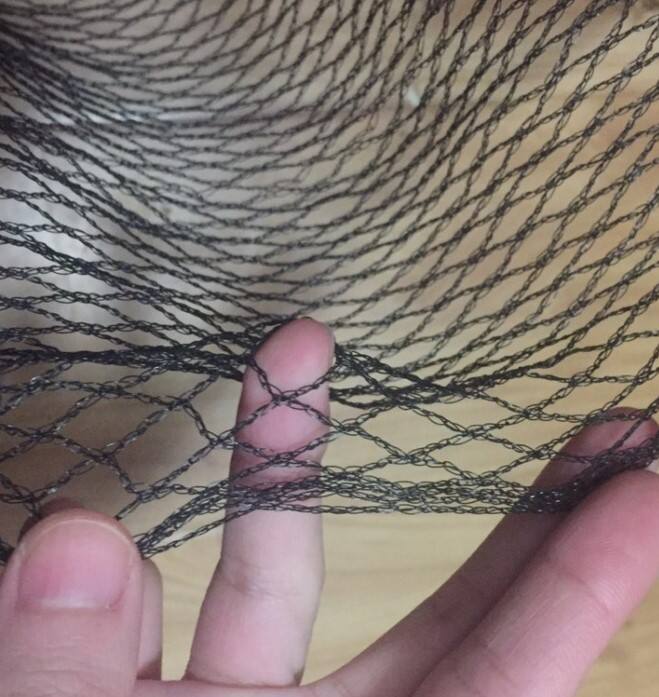
When it comes to protecting crops, ponds, and open farm areas from wildlife interference, the question of durability is always front and center. Farmers and agricultural managers consistently ask whether a bird net can hold up through seasons of sun, rain, wind, and physical stress without losing its protective function. The answer is not simply yes or no — it depends on the material quality, installation method, and the specific outdoor conditions the net must endure. Understanding these factors is essential before committing to a long-term farm protection strategy built around bird netting.
A high-quality bird net designed for outdoor agricultural use is engineered to withstand prolonged exposure to the elements. Modern versions are typically constructed from UV-stabilized polyethylene or polypropylene, materials chosen specifically because they resist degradation from ultraviolet radiation — one of the most damaging forces in any outdoor environment. For farms that need consistent, year-round protection against birds, rodents, and other wildlife, selecting the right bird net from the outset is the single most important decision in the entire protection plan.
What Makes a Bird Net Suitable for Long-Term Outdoor Use
Material Composition and UV Resistance
The core factor that determines whether a bird net is suitable for long-term outdoor farm protection is the quality of its raw material. Nets manufactured from virgin polyethylene with UV stabilizers embedded during the extrusion process can maintain structural integrity for five years or more under direct sunlight. In contrast, nets made from recycled or low-grade plastic tend to become brittle within one to two seasons, cracking and losing tensile strength rapidly when exposed to continuous UV radiation.
UV stabilization is not a surface coating — it is a chemical additive blended into the polymer itself. This means the protection does not wear off with rain or abrasion. For farms located in high-altitude regions or areas with intense solar exposure, this distinction is critical. A bird net without proper UV stabilization will fail prematurely, requiring costly replacement and leaving crops or ponds unprotected during the transition period.
Beyond UV resistance, the denier count and mesh construction also play a significant role. Heavier-gauge nets with tightly knotted or woven mesh structures distribute mechanical stress more evenly, reducing the risk of tears caused by wind load, the weight of accumulated debris, or the physical impact of larger birds attempting to push through the barrier.
Mesh Size and Wildlife Exclusion Effectiveness
For a bird net to serve its protective function over the long term, the mesh aperture must be appropriately sized for the target species. A mesh that is too large will allow smaller birds or juvenile animals to pass through, undermining the entire protection system. A mesh that is too small may trap birds rather than exclude them, creating welfare concerns and potential legal issues in some jurisdictions.
For general farm use — covering fruit orchards, vegetable plots, or fish ponds — a mesh size between 15mm and 25mm is typically effective against most common bird species. The bird net should be taut enough to prevent birds from landing on the surface and pushing through, yet flexible enough to absorb wind energy without tearing at anchor points.
Farms dealing with larger wildlife such as herons, egrets, or raptors may require a heavier-duty bird net with reinforced edges and a denser weave. The long-term suitability of any net depends on matching its specifications to the actual threat profile of the farm environment, not simply purchasing the most affordable option available.
How Outdoor Conditions Affect Bird Net Longevity
Temperature Extremes and Seasonal Stress
Outdoor farm environments subject a bird net to a wide range of thermal stresses throughout the year. In summer, surface temperatures on a dark-colored net can exceed ambient air temperature significantly, accelerating polymer degradation if the material lacks adequate heat stabilizers. In winter, sub-zero temperatures make plastic materials more brittle, increasing the risk of cracking under impact or tension.
A well-engineered bird net accounts for these thermal cycles by using flexible polymer formulations that maintain elasticity across a broad temperature range. Farms in continental climates with hot summers and cold winters should specifically look for nets rated for wide-temperature performance rather than those optimized only for mild conditions.
Seasonal debris accumulation — fallen leaves, snow, ice — also adds significant weight load to any installed bird net. The support structure and tensioning system must be designed to handle these loads without causing the net to sag, tear, or detach from anchor points. Regular inspection and minor adjustments during seasonal transitions are a practical part of maintaining long-term performance.
Wind Load and Mechanical Durability
Wind is one of the most persistent mechanical stresses that a bird net must endure in an outdoor farm setting. Continuous wind causes the net to flex repeatedly, and over time this cyclic loading can fatigue the fibers at stress concentration points — particularly at edges, corners, and any location where the net is tied or clamped to a support structure.
To maximize wind resistance, the bird net should be installed with appropriate tension — tight enough to prevent excessive flapping, but not so tight that it cannot absorb gusts without transferring all the load to anchor points. Reinforced border ropes or selvage edges significantly improve resistance to edge tearing, which is the most common failure mode in wind-exposed installations.
In regions prone to strong seasonal winds or storm events, additional intermediate support posts reduce the unsupported span of the bird net, lowering the peak stress experienced during high-wind events. This simple structural measure can extend the functional life of the net by several years compared to installations with minimal support infrastructure.
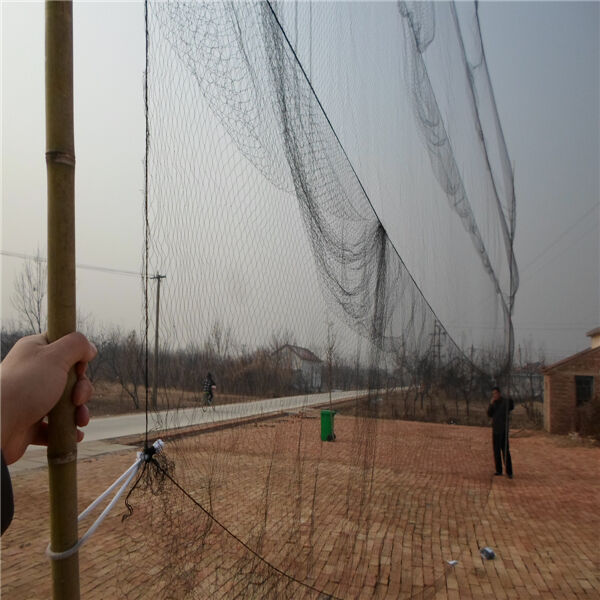
Installation Practices That Determine Long-Term Performance
Proper Tensioning and Support Systems
Even the highest-quality bird net will underperform if installed incorrectly. The support framework — whether steel posts, wooden stakes, or wire cable systems — must be robust enough to maintain consistent tension across the entire covered area. Sagging sections not only reduce exclusion effectiveness but also create pooling points for rainwater and debris, accelerating localized wear.
Post spacing should be calculated based on the net's weight, the expected wind load, and the span dimensions of the protected area. For large-scale farm installations, a cable-tensioned system with intermediate posts typically provides the best combination of structural stability and ease of access for farm operations beneath the bird net.
Attachment hardware — clips, ties, and tensioners — should be made from corrosion-resistant materials such as stainless steel or UV-stabilized plastic. Metal hardware that rusts will stain and weaken the net fibers at contact points, creating premature failure locations that compromise the entire installation long before the net material itself would naturally degrade.
Maintenance Routines for Extended Service Life
A bird net installed for long-term outdoor farm protection requires periodic maintenance to achieve its full rated service life. Routine inspections — ideally at the start and end of each growing season — should check for tears, loose anchor points, accumulated debris, and any signs of UV degradation such as discoloration or surface chalking.
Minor tears should be repaired promptly using compatible repair patches or by re-knotting damaged sections. A small unrepaired tear will propagate rapidly under wind stress, turning a minor maintenance task into a full section replacement. Keeping a small supply of matching net material on hand allows farm staff to address damage quickly without waiting for new materials to be sourced.
Cleaning the bird net periodically to remove algae, moss, and organic debris also extends its life. Biological growth retains moisture against the net surface, creating conditions that accelerate hydrolytic degradation even in UV-stabilized materials. A simple rinse with water during dry weather is usually sufficient for most farm environments.
Practical Applications Where Bird Net Delivers Long-Term Value
Orchard and Crop Field Protection
In orchard settings, a bird net provides one of the most cost-effective long-term solutions for protecting high-value fruit crops from bird damage. Unlike chemical deterrents or acoustic devices, which require ongoing operational input and lose effectiveness as birds habituate to them, a properly installed bird net provides passive, continuous protection without recurring costs beyond routine maintenance.
Permanent orchard netting systems — where the bird net is installed on a fixed overhead framework and left in place for multiple seasons — have become standard practice in commercial fruit production in many regions. These systems typically use heavy-duty nets with reinforced edges and are designed for a service life of seven to ten years, making the per-season cost of protection very competitive compared to alternative methods.
For smaller-scale vegetable plots or seasonal crops, a lighter-weight bird net on a removable frame system offers flexibility while still providing reliable protection during the critical growing and harvest periods. The key is selecting a net with sufficient UV resistance to survive storage between seasons without degrading.
Fish Pond and Water Feature Protection
Fish ponds and aquaculture installations face particularly intense pressure from predatory birds such as herons, cormorants, and kingfishers. A bird net stretched over the pond surface is the most reliable method of excluding these predators, and when properly installed, it can remain effective for many years with minimal intervention.
For pond applications, the bird net must be supported above the water surface to prevent birds from standing on the net and reaching through to catch fish. A clearance of at least 30 to 50 centimeters between the net and the water surface is generally recommended. The bird net used in pond applications should also be resistant to moisture-related degradation, as the combination of UV exposure and constant humidity creates a more demanding environment than dry-land installations.
Heavy-duty pond cover netting designed specifically for aquaculture use incorporates these requirements, offering a robust solution that protects fish stocks while remaining manageable for routine pond maintenance operations. The investment in a quality bird net for pond protection typically pays back within a single season through reduced fish losses.
FAQ
How long does a bird net typically last in outdoor farm conditions?
A high-quality bird net made from UV-stabilized polyethylene can last between five and ten years in outdoor farm conditions, depending on the intensity of UV exposure, wind load, and how well the net is maintained. Lower-grade nets without proper UV stabilization may degrade within one to two seasons. Regular inspection and prompt repair of minor damage are the most effective ways to maximize service life.
Can a bird net withstand heavy rain and snow loads?
Yes, a properly tensioned bird net on an adequate support structure can handle rain and moderate snow loads. The key is ensuring the net is installed with sufficient slope or tension to prevent water and snow from pooling in low points, which creates concentrated weight loads that can tear the net or collapse the support structure. In areas with heavy snowfall, additional intermediate supports reduce the risk of overload.
Is a bird net effective against all types of farm birds?
A bird net is effective against the vast majority of bird species that cause agricultural damage, provided the mesh size is correctly matched to the target species. Smaller mesh sizes exclude smaller birds but may require more robust support structures due to increased wind resistance. For farms dealing with a mix of bird species, a mesh size in the 15mm to 20mm range typically provides broad-spectrum exclusion without creating entanglement risks for larger birds.
Does a bird net require professional installation for long-term use?
Professional installation is not strictly required, but it is strongly recommended for large-scale or permanent bird net systems. Correct tensioning, appropriate post spacing, and proper edge attachment are technical details that significantly affect long-term performance. For smaller installations such as individual garden beds or small ponds, a well-informed farm operator can achieve good results with careful attention to the manufacturer's installation guidelines and the use of quality hardware.