 EN
EN

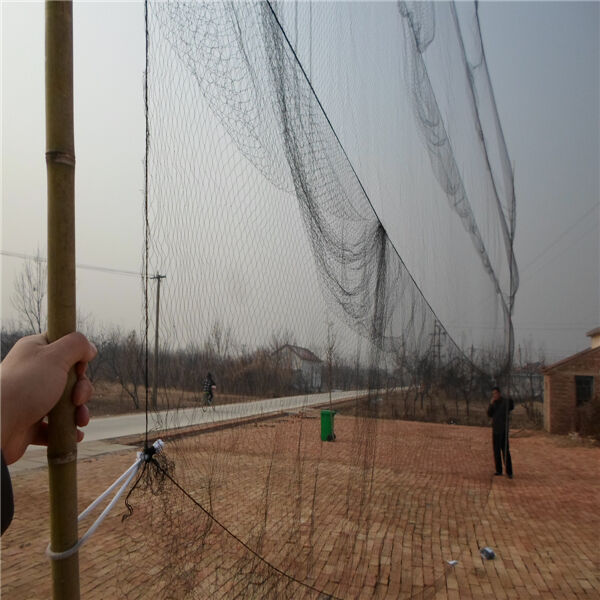
Crop loss caused by birds is one of the most persistent and underestimated challenges in modern agriculture. From vineyards and berry farms to grain fields and orchards, birds can devastate harvests within hours, leaving growers with significant financial losses and little recourse after the fact. Understanding how a bird net works as a preventive barrier is essential for any agricultural operation that wants to protect its yield without resorting to harmful deterrents or labor-intensive monitoring. A well-deployed bird net creates a physical boundary that interrupts the feeding cycle before damage can occur, making it one of the most reliable and cost-effective crop protection tools available today.
The mechanism behind a bird net is straightforward, but its effectiveness depends heavily on how it is selected, installed, and maintained across different crop types and growing environments. This article explores the core principles that make bird net systems work in agricultural settings, the structural and material factors that determine performance, and the practical considerations growers must evaluate when integrating this solution into their crop protection strategy. Whether you manage a small family orchard or a large-scale commercial farm, understanding the full scope of how a bird net prevents crop damage will help you make better decisions for your operation.
The Mechanism Behind Bird Net Crop Protection
Physical Exclusion as the Primary Defense
The fundamental principle of a bird net is physical exclusion. Unlike sonic deterrents, reflective tape, or chemical repellents, a bird net does not attempt to frighten or confuse birds — it simply prevents them from reaching the crop. This distinction matters enormously in practice because birds are highly adaptive creatures. They quickly habituate to noise-based or visual deterrents, rendering those methods ineffective within days or weeks. A properly installed bird net, by contrast, maintains its protective function regardless of how long it remains in place.
The netting creates a continuous mesh barrier that covers the crop canopy, preventing birds from landing on or pecking at fruit, grain, or foliage. The mesh aperture — the size of each individual opening in the net — is the critical variable that determines which bird species are excluded. A bird net with a smaller mesh aperture will block smaller species such as sparrows and starlings, while a larger aperture may be sufficient for deterring pigeons and crows but could allow smaller birds to pass through. Selecting the correct mesh size for the target pest species is therefore one of the first decisions a grower must make.
Physical exclusion also has the advantage of being non-lethal and environmentally neutral. A bird net does not harm the birds it excludes, which is increasingly important as agricultural operations face regulatory scrutiny over wildlife impact. This makes the bird net approach compatible with organic certification standards and integrated pest management frameworks that prioritize ecological balance.
How the Net Intercepts Bird Feeding Behavior
Birds typically approach crops from above or from the sides of the plant canopy. A bird net deployed as an overhead drape or a full enclosure intercepts both approach vectors. When birds attempt to land on the net surface, they find no stable perch and no access to the fruit or grain below. Over time, repeated failed attempts cause birds to abandon the site and redirect their foraging to unprotected areas. This behavioral displacement effect means that a bird net does not just protect the covered crop — it effectively removes the farm from the bird's foraging map.
In high-density bird pressure environments, such as farms located near wetlands, forests, or urban areas, the behavioral displacement effect of a bird net is particularly valuable. Without a physical barrier, even aggressive deterrent programs may fail to keep persistent flocks away during peak ripening periods. The bird net eliminates the need for constant active management by providing passive, continuous protection throughout the growing season.
Structural Design Factors That Determine Effectiveness
Material Composition and Durability
The material from which a bird net is constructed directly affects its durability, UV resistance, and long-term cost efficiency. Most agricultural bird net products are manufactured from high-density polyethylene (HDPE), a material that offers an excellent balance of tensile strength, flexibility, and resistance to environmental degradation. HDPE-based bird net systems can withstand prolonged sun exposure without becoming brittle, which is critical for installations that remain in place across multiple growing seasons.
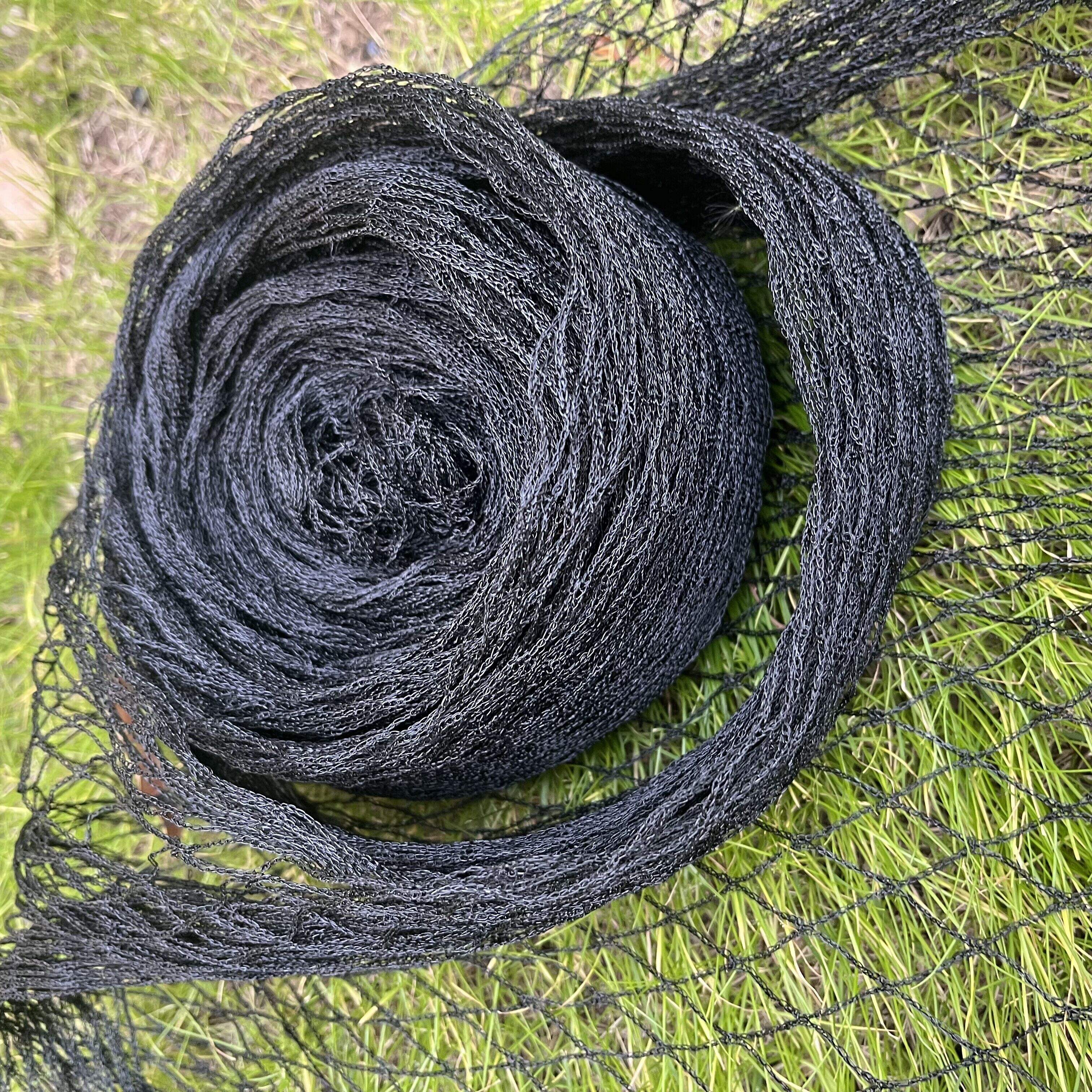
UV stabilization is a key quality indicator when evaluating a bird net for outdoor agricultural use. A net without adequate UV stabilization will degrade rapidly under direct sunlight, losing tensile strength and becoming prone to tearing. This not only shortens the product's service life but also creates gaps in coverage that birds can exploit. High-quality bird net products incorporate UV inhibitors during the manufacturing process, extending functional lifespan to five years or more under normal field conditions.
Weight and flexibility also matter. A bird net that is too heavy may damage delicate crops when it sags or makes contact with fruit. A net that is too light may not hold its shape under wind load or the weight of accumulated debris. The ideal bird net for a given application strikes a balance between these properties, and growers should evaluate the specific weight-per-square-meter rating alongside mesh aperture when making purchasing decisions.
Installation Methods and Coverage Geometry
The way a bird net is installed determines how completely it protects the crop. There are three primary installation geometries used in agricultural settings: drape systems, tunnel systems, and full enclosure systems. In a drape system, the bird net is laid directly over the crop canopy and secured at the edges. This is the simplest and most cost-effective approach, suitable for low-growing crops such as blueberries, strawberries, and row vegetables.
Tunnel systems involve suspending the bird net over a framework of hoops or posts, creating a covered corridor above the crop rows. This approach prevents the net from making direct contact with the plants, which is important for taller crops or those with delicate surface fruit. Full enclosure systems surround the crop on all sides, including the ends of rows, providing the highest level of protection but also requiring the most infrastructure investment. For high-value crops such as table grapes or cherries, the return on investment from a full enclosure bird net system is typically justified within a single season of prevented losses.
Regardless of the installation method, the integrity of the perimeter seal is critical. Any gap where the bird net meets the ground, a post, or an adjacent net panel creates an entry point that birds will find and exploit. Proper installation requires careful attention to edge fastening, overlap at panel joints, and secure anchoring at ground level to ensure the bird net functions as a complete barrier rather than a partial deterrent.
Agricultural Applications Across Different Crop Types
Fruit Orchards and Vineyards
Fruit orchards and vineyards represent the most common and economically significant application for bird net systems. Stone fruits such as cherries, peaches, and plums are particularly vulnerable because they ripen quickly and attract large flocks during a narrow harvest window. A single flock of starlings can strip a cherry tree in under an hour, making reactive deterrent measures essentially useless. A bird net installed before the fruit begins to color provides continuous protection through the entire ripening and harvest period.
In vineyards, bird net deployment typically begins several weeks before harvest when grape sugar content rises and attracts birds from a wide area. The overhead drape method is widely used in viticulture because it can be deployed and removed efficiently using mechanized rolling equipment, reducing labor costs significantly. The bird net also provides a secondary benefit in some vineyard environments by reducing sunburn on exposed grape clusters, improving fruit quality alongside its primary protective function.
Berry Farms and Row Crop Applications
Soft fruit operations — including blueberry, raspberry, and strawberry farms — face intense bird pressure because these crops are highly palatable and often grown in open field conditions with no natural overhead cover. A bird net deployed as a drape or tunnel system over berry rows can reduce crop losses by more than 90 percent compared to unprotected plots, according to field observations from commercial growers. The return on investment is typically achieved within the first season of use, particularly for high-value berry varieties.
For row crops such as sweet corn, sunflowers, and sorghum, bird net applications are more selective. These crops are often grown at a scale that makes full coverage impractical, so growers typically focus bird net protection on the highest-value sections of the field or on seed production plots where crop integrity is critical. In these contexts, the bird net is used strategically rather than universally, targeting the areas where bird pressure is most concentrated and economic impact is greatest.
Aquaculture and Pond Protection
Beyond traditional crop farming, bird net systems are widely used in aquaculture to protect fish ponds and hatcheries from predatory birds such as herons, cormorants, and kingfishers. In these applications, the bird net functions as a cover over the water surface, preventing birds from diving or wading into the pond to feed on fish stock. The bird net used in pond cover applications must be strong enough to support the weight of a large bird landing on the surface without tearing, which is why heavy-duty construction and high tensile strength are particularly important in this context.
Pond cover bird net installations also need to account for water surface access for feeding, aeration equipment, and routine maintenance. Well-designed systems incorporate access panels or zipper openings that allow farm workers to reach the pond without removing the entire net. This operational flexibility is an important consideration when specifying a bird net for aquaculture use, as frequent removal and reinstallation accelerates wear and increases the risk of installation errors that compromise coverage integrity.
Evaluating Long-Term Performance and Maintenance Requirements
Seasonal Deployment and Storage Practices
One of the practical advantages of a bird net system is that it can be deployed seasonally and stored during the off-season, extending its service life considerably. Proper storage involves cleaning the net to remove organic debris, drying it thoroughly to prevent mold growth, and storing it in a cool, shaded location away from direct sunlight and rodent activity. A bird net that is stored correctly between seasons can remain functional for five to ten years, making it a highly cost-effective long-term investment for recurring crop protection needs.
During the growing season, periodic inspection of the bird net is essential to identify and repair any tears, gaps, or anchor failures before birds discover and exploit them. Small tears can be repaired with patch kits or cable ties, but larger damage may require panel replacement. Establishing a routine inspection schedule — particularly after high-wind events or heavy rainfall — ensures that the bird net maintains its protective integrity throughout the season.
Cost-Benefit Analysis for Agricultural Operations
The economic case for investing in a bird net system is straightforward for most high-value crop operations. The upfront cost of netting material, support infrastructure, and installation labor is typically recovered within one to two seasons through reduced crop losses. For perennial crops such as orchards and vineyards, where the same net can be reused across many seasons, the long-term cost per protected hectare is extremely low relative to the value of the crop being protected.
Growers should also factor in the indirect costs of bird damage when evaluating the investment case for a bird net. Beyond direct fruit loss, bird feeding activity introduces secondary damage through disease entry points at peck wounds, contamination of harvested fruit with droppings, and the labor cost of sorting and discarding damaged produce. A bird net eliminates all of these downstream costs simultaneously, making its true economic value greater than a simple comparison of net cost versus fruit loss would suggest.
FAQ
What mesh size should I choose for my bird net?
The correct mesh size for a bird net depends on the species causing damage. For small birds such as sparrows and starlings, a mesh aperture of 15–20mm is typically recommended. For larger species such as pigeons or crows, a 40–50mm aperture may be sufficient. When in doubt, choose a smaller mesh size to ensure broader species exclusion, particularly if multiple bird species are present in your area.
Can a bird net be used year-round without removal?
A high-quality bird net with UV stabilization can remain installed year-round in most climates, but seasonal removal and storage is generally recommended to extend the product's service life. In regions with heavy snowfall, leaving a bird net in place during winter creates a risk of structural damage from snow load accumulation. Growers in mild climates with year-round bird pressure may find permanent installation more practical, provided the net is inspected and maintained regularly.
Does a bird net affect pollination or airflow around crops?
A properly specified bird net with an appropriate mesh aperture allows adequate airflow and light transmission to support healthy crop growth. However, very fine mesh nets can reduce pollinator access, which is a concern for crops that depend on insect pollination. In these cases, growers should either choose a mesh size that allows bee passage or plan to remove the bird net temporarily during peak pollination periods and reinstall it as fruit begins to develop.
How do I secure a bird net to prevent birds from entering at the edges?
Edge sealing is the most critical aspect of bird net installation. The net should be secured at ground level using ground stakes, sandbags, or buried anchor points to eliminate gaps at the base. At panel joints, a minimum overlap of 30cm is recommended, with the overlapping sections clipped or tied together at regular intervals. For full enclosure systems, end panels should be fitted with closures that can be opened for access and resealed securely after each entry. Regular inspection of all edge and joint points is essential to maintain the integrity of the bird net barrier throughout the season.