 EN
EN

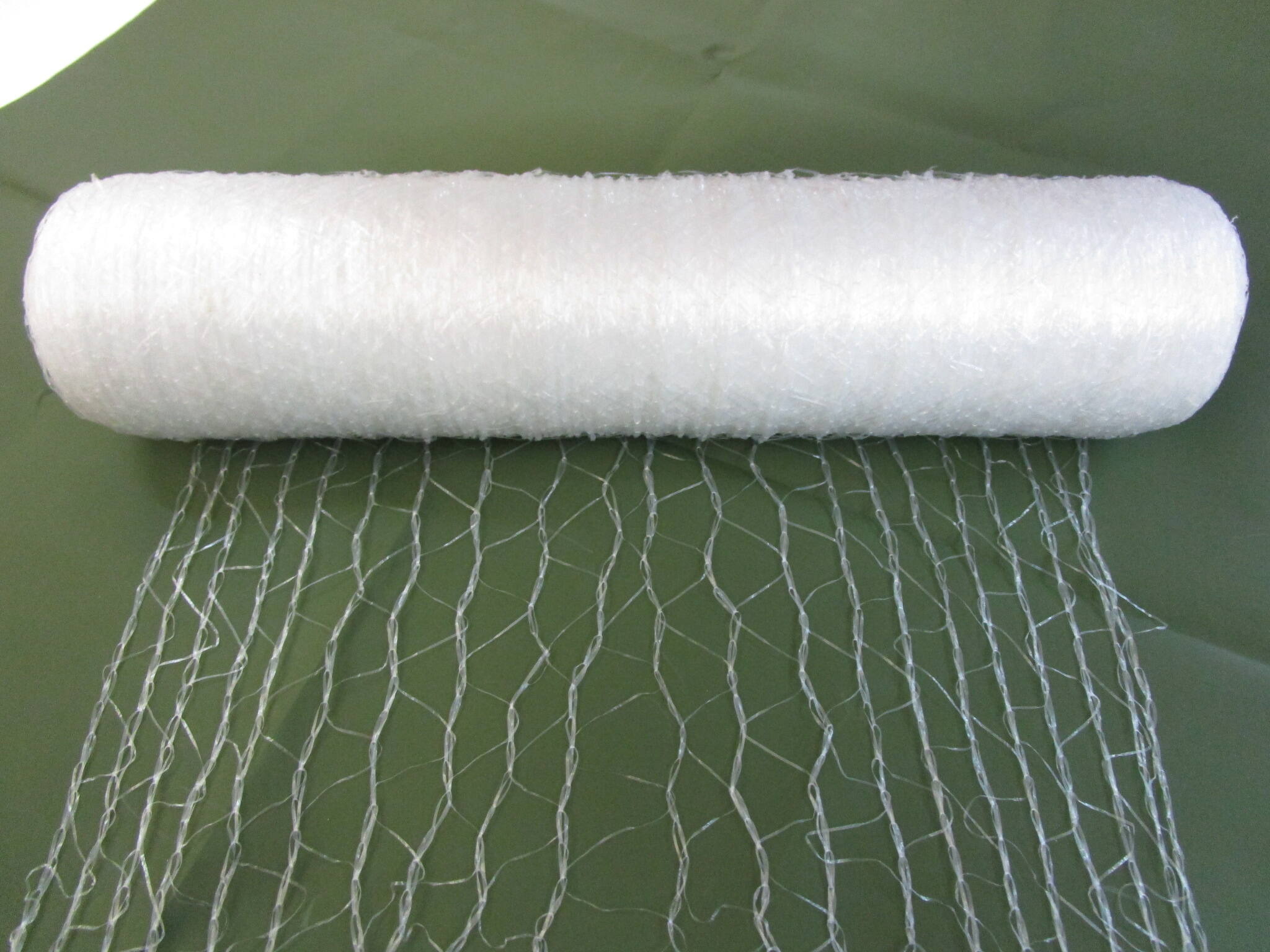
Sustainability has moved from a corporate buzzword to a genuine operational priority across global supply chains. As logistics managers and procurement teams face mounting pressure to reduce environmental impact without compromising load security, the materials they choose for unitizing and protecting freight have come under serious scrutiny. Among the packaging solutions gaining traction for their environmental credentials, pallet wrap net stands out as a compelling alternative to conventional stretch film, offering a combination of material efficiency, reusability, and end-of-life recyclability that aligns well with modern green logistics goals.
Understanding what makes pallet wrap net a sustainable logistics packaging option requires looking beyond surface-level claims. It means examining the full lifecycle of the product — from raw material sourcing and manufacturing energy demands, through operational use and reuse cycles, to disposal and recyclability. This article breaks down each of those dimensions to give logistics professionals, warehouse operators, and sustainability officers a clear, evidence-grounded picture of why pallet wrap net deserves serious consideration in any sustainable packaging strategy.
The Material Efficiency Advantage of Pallet Wrap Net
Less Material Per Load Without Sacrificing Security
One of the most direct ways any packaging material contributes to sustainability is by using less of itself to do the same job. Pallet wrap net is engineered with an open mesh structure that achieves load containment through tensioned netting rather than a continuous film barrier. This design means significantly less raw polymer is consumed per pallet secured compared to traditional stretch wrap, which must be applied in multiple overlapping layers to build adequate holding force.
In practical terms, the weight of pallet wrap net used per pallet cycle is substantially lower than that of conventional polyethylene stretch film. For high-volume distribution operations wrapping hundreds or thousands of pallets daily, this reduction in material consumption translates directly into lower raw material procurement costs and a smaller upstream carbon footprint tied to polymer production and transport.
The structural integrity of pallet wrap net is maintained through the geometry of the mesh itself, which distributes tension evenly across the load surface. This means the netting does not need to be thick or heavy to be effective, reinforcing the material efficiency argument without introducing trade-offs in load stability during transit.
Reduced Packaging Waste at the Destination
Every pallet that arrives at a distribution center or retail facility generates packaging waste that must be handled, sorted, and disposed of. Conventional stretch film, once cut from a pallet, becomes a tangled mass of plastic that is difficult to separate cleanly, often contaminated with labels or tape, and challenging to feed into standard recycling streams. Pallet wrap net, by contrast, comes off a pallet cleanly and retains its structural form, making it far easier to collect, sort, and process.
For receiving operations that handle large volumes of inbound palletized freight, the difference in waste handling labor and disposal costs can be meaningful. Clean, intact pallet wrap net pieces are simpler to bale, store, and route to appropriate recycling or reuse channels than shredded or stretched film remnants. This downstream efficiency is a genuine sustainability benefit that often goes unaccounted in simple material weight comparisons.
Reusability as a Core Sustainability Driver
How Reuse Cycles Multiply Environmental Value
The most powerful sustainability argument for pallet wrap net in closed-loop or semi-closed logistics environments is its capacity for reuse. Unlike single-use stretch film, which is designed to be applied once and discarded, pallet wrap net is durable enough to be removed intact, inspected, and reapplied to subsequent loads. In operations where pallets move between a limited number of fixed locations — such as manufacturer-to-distribution-center or distribution-center-to-retail-chain flows — reuse programs are entirely practical.
Each additional use cycle of a pallet wrap net unit effectively amortizes the environmental cost of its production across multiple load events. If a single net is used five times before it reaches end of life, the per-pallet environmental impact of that net is one-fifth of what it would be if treated as single-use. In operations with disciplined collection and inspection protocols, reuse rates well above this are achievable, making the lifecycle environmental profile of pallet wrap net considerably more favorable than disposable alternatives.
Reusability also has a direct economic dimension that reinforces the sustainability case. Lower per-pallet packaging material costs free up budget that can be reinvested in other sustainability initiatives, creating a virtuous cycle where environmental and financial incentives align rather than conflict.
Durability Characteristics That Enable Reuse
For reuse to be a realistic operational practice rather than a theoretical aspiration, the material must be genuinely durable under real logistics conditions. Pallet wrap net is typically manufactured from high-tenacity polyethylene or polypropylene yarns that resist tearing, UV degradation, and the abrasion that occurs during normal pallet handling. These properties mean that a well-made pallet wrap net does not degrade significantly after a single use cycle, retaining enough structural integrity to perform reliably on subsequent applications.
The resistance of pallet wrap net to moisture is also relevant in logistics environments where pallets may be stored outdoors, moved through refrigerated areas, or exposed to humidity during transit. Unlike cardboard-based containment aids that weaken when wet, pallet wrap net maintains its mechanical properties across a wide range of environmental conditions, supporting consistent performance across the reuse cycles that make it environmentally valuable.
Recyclability and End-of-Life Considerations
Polymer Composition and Recycling Compatibility
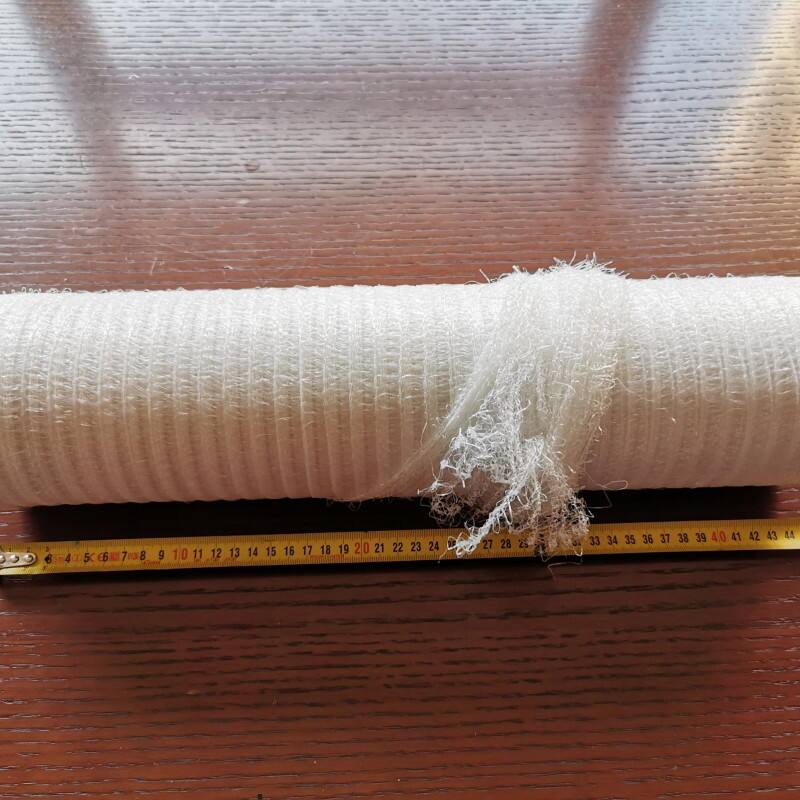
When pallet wrap net does reach the end of its useful service life, its recyclability becomes the next sustainability consideration. Most commercial pallet wrap net products are made from a single polymer type — typically polyethylene — which simplifies the recycling process considerably. Mono-material construction avoids the contamination and separation challenges that arise with multi-layer or multi-material packaging, making the net more compatible with standard plastic recycling infrastructure.
Polyethylene, the most common base material for pallet wrap net, is one of the most widely recycled plastics globally. It can be processed into recycled pellets suitable for manufacturing a range of secondary products, from agricultural film to construction materials. This established recycling pathway means that end-of-life pallet wrap net does not necessarily need to go to landfill, provided it is collected cleanly and routed to appropriate facilities.
Logistics operations that implement take-back or collection programs for used pallet wrap net can close the loop more effectively, ensuring that the material value embedded in the net is recovered rather than lost. Some industrial recycling programs specifically accept netting and mesh materials, recognizing their relatively clean and homogeneous composition compared to mixed plastic waste streams.
Comparing End-of-Life Outcomes with Stretch Film
Conventional stretch film presents a more complicated end-of-life picture. While it is also typically made from polyethylene, the thin gauge and high stretch ratio of standard pallet film means it frequently becomes entangled in recycling machinery, leading many facilities to reject it from curbside or standard industrial recycling streams. Specialized film recycling drop-off points exist in some markets, but collection rates remain low in many regions.
Pallet wrap net, with its more robust structure and cleaner removal characteristics, is generally easier to handle in recycling logistics. It does not wrap around conveyor rollers or sorting equipment in the same way that thin film does, reducing the operational friction that often causes plastic film to be diverted to landfill even when recycling infrastructure theoretically exists. This practical recyclability advantage reinforces the overall sustainability case for pallet wrap net in operations where end-of-life material management is a genuine priority.
Operational Sustainability Benefits Beyond the Material
Energy and Emissions Savings in Application
The sustainability of a packaging material is not determined solely by its physical composition. The energy consumed in applying it, the equipment required, and the labor involved all contribute to the total environmental footprint of the packaging operation. Pallet wrap net can be applied quickly and with relatively simple equipment, and in many cases requires fewer passes around a pallet than stretch film to achieve equivalent load containment. This operational efficiency has energy implications, particularly in automated wrapping environments where machine cycle time and motor energy consumption are measurable.
In high-throughput logistics facilities where wrapping machines run continuously across multiple shifts, even modest reductions in energy consumption per pallet cycle accumulate into significant annual savings. The faster application cycle of pallet wrap net in automated systems also means higher throughput per unit of time, which can reduce the need for additional equipment investment and the associated manufacturing and transport emissions of that equipment.
Contribution to Scope 3 Emissions Reduction
For companies working to reduce their Scope 3 greenhouse gas emissions — those arising from activities in their value chain rather than their own direct operations — packaging material choices are a legitimate lever. The upstream emissions associated with producing pallet wrap net are lower per pallet secured than those of heavier or more material-intensive alternatives, contributing to a reduced Scope 3 footprint for procurement-intensive operations.
Suppliers and logistics service providers that can demonstrate lower packaging-related emissions are increasingly valued by brand owners and retailers with published sustainability commitments. Adopting pallet wrap net as part of a broader sustainable packaging program can therefore support commercial relationships as well as environmental goals, making the business case for the switch more robust than a purely cost-based analysis would suggest.
Documenting the material savings, reuse cycles, and recycling outcomes associated with pallet wrap net use also provides concrete data for sustainability reporting, which is becoming a standard expectation for companies operating in regulated or ESG-scrutinized markets. Having measurable, verifiable packaging sustainability metrics strengthens credibility with stakeholders and supports compliance with emerging extended producer responsibility frameworks.
Practical Fit Across Logistics Scenarios
Applications Where Pallet Wrap Net Performs Best
Pallet wrap net is particularly well suited to loads where ventilation is beneficial — fresh produce, certain food products, and goods that generate heat during storage or transit. The open mesh structure allows air circulation that solid stretch film cannot provide, reducing condensation, spoilage risk, and the need for additional ventilation packaging. This functional advantage compounds the sustainability benefit by reducing product waste, which carries its own significant environmental cost.
For heavy, stable loads such as bagged agricultural products, construction materials, or industrial components, pallet wrap net provides robust containment without the over-packaging that can occur when stretch film is applied conservatively to avoid load shift. The tensioned mesh holds loads firmly without adding unnecessary material, keeping the packaging footprint lean and the sustainability profile strong.
Integration with Sustainable Packaging Programs
Pallet wrap net does not need to be adopted in isolation to deliver sustainability value. It integrates naturally into broader sustainable packaging programs that may include recycled-content corrugated, reusable plastic pallets, and reduced-packaging initiatives. Because it addresses the unitization and containment function specifically, it can replace stretch film in that role while other packaging components are optimized separately.
Companies that have already committed to packaging reduction targets or circular economy principles will find that pallet wrap net aligns with those frameworks without requiring fundamental changes to pallet loading practices or warehouse layouts. The transition from stretch film to pallet wrap net is operationally straightforward in most environments, lowering the implementation barrier for sustainability-motivated procurement decisions.
FAQ
Is pallet wrap net made from recycled materials?
Some pallet wrap net products are available with recycled polymer content, though this varies by manufacturer and product specification. The more consistent sustainability advantage lies in the material efficiency of the net structure itself and its end-of-life recyclability, both of which apply regardless of whether the base polymer is virgin or recycled. Buyers with specific recycled content requirements should confirm specifications with their supplier.
Can pallet wrap net be used in automated wrapping systems?
Yes, pallet wrap net is compatible with automated and semi-automated wrapping equipment, and in many cases offers faster cycle times than stretch film due to the reduced number of passes required for adequate load containment. Equipment compatibility should be verified for specific machine models, but the transition from film to net is technically feasible in most modern automated wrapping environments.
How many times can pallet wrap net typically be reused?
The number of reuse cycles achievable with pallet wrap net depends on load type, handling conditions, and the quality of the net itself. In well-managed closed-loop operations with careful removal and inspection practices, multiple reuse cycles per net are realistic. Each reuse cycle reduces the per-pallet environmental and cost impact of the packaging, making reuse program management a worthwhile operational investment.
Does switching to pallet wrap net require changes to pallet loading practices?
In most cases, switching to pallet wrap net does not require significant changes to pallet loading or stacking practices. The net provides containment through tension rather than adhesion, so loads should be stable and well-stacked before the net is applied, as is good practice with any unitization method. For loads with irregular shapes or very light top layers, minor adjustments to stacking configuration may improve net performance, but these are typically minor operational refinements rather than fundamental process changes.