 EN
EN

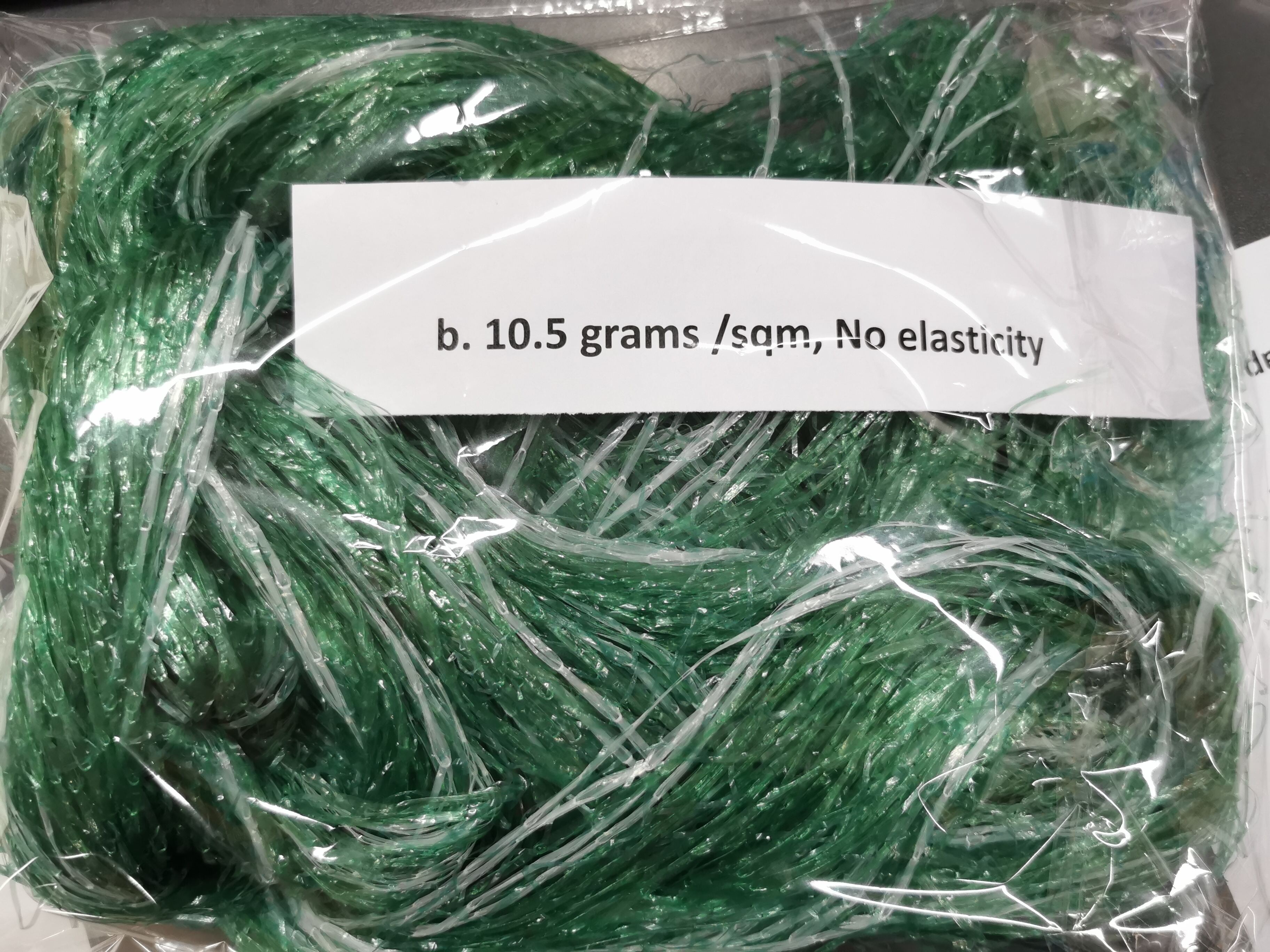
Pallet wrap net has emerged as a critical packaging solution in industries where product integrity during storage and transportation depends heavily on airflow management. Unlike traditional solid plastic stretch films that create an airtight seal around palletized loads, pallet wrap net features an open mesh structure that fundamentally changes how packaged goods interact with their environment. This innovative approach to load stabilization addresses a long-standing challenge in supply chain management: how to secure products firmly while maintaining adequate ventilation to prevent moisture accumulation, heat buildup, and quality degradation that can occur when goods are sealed too tightly.
The mechanism by which pallet wrap net improves ventilation centers on its engineered porosity that allows continuous air circulation while maintaining load containment force. This dual functionality makes it particularly valuable for perishable products, heat-sensitive materials, and goods that emit moisture or require temperature regulation during transit. Understanding how this ventilation enhancement works requires examining the structural design principles, airflow dynamics, and practical applications that distinguish pallet wrap net from conventional packaging methods. The following analysis explores the specific ways this netting technology optimizes air exchange around packaged goods while preserving the structural stability essential for efficient logistics operations.
Structural Design Principles That Enable Airflow
Open Mesh Architecture and Porosity Engineering
The foundation of ventilation improvement in pallet wrap net lies in its deliberately engineered open mesh structure. Unlike solid stretch film that creates a continuous barrier, this netting consists of interconnected polymer strands arranged in a grid pattern with consistent spacing between junction points. The gaps between these strands typically range from three to eight millimeters, creating thousands of ventilation apertures across the wrapped surface. This design allows air to move freely through the packaging layer while the net maintains sufficient surface contact to generate holding force through tension and friction against the palletized load.
The porosity percentage of pallet wrap net generally exceeds sixty percent, meaning more than half of the wrapped surface area remains open to air exchange. This contrasts sharply with solid films that offer zero inherent ventilation unless deliberately perforated. The specific mesh geometry affects both ventilation efficiency and load containment capability. Manufacturers calibrate strand thickness, junction strength, and aperture dimensions to balance breathability with mechanical performance. The resulting structure creates a ventilation pathway that operates continuously throughout the storage and distribution cycle without requiring active intervention or additional equipment.
Material Properties Supporting Gas Exchange
The polymer materials used in pallet wrap net production contribute to ventilation effectiveness through their non-occlusive nature. High-density polyethylene and polypropylene blends commonly employed in these products do not absorb moisture or create condensation barriers that would impede airflow. The material maintains dimensional stability across temperature variations, ensuring ventilation apertures remain consistent rather than closing or deforming under thermal stress. This stability is particularly important during temperature transitions that occur when goods move between controlled storage environments and ambient conditions during loading operations.
The surface characteristics of the netting material also influence ventilation performance. Smooth polymer surfaces minimize friction against airflow while preventing accumulation of dust particles that could gradually obstruct mesh openings. The chemical inertness of these materials prevents reactions with product vapors or environmental contaminants that might alter ventilation pathways over time. Additionally, the UV-stabilized formulations used in outdoor applications maintain structural integrity and aperture geometry even under prolonged sunlight exposure, ensuring consistent ventilation performance throughout extended storage periods in uncovered yard environments.
Airflow Dynamics and Ventilation Mechanics
Pressure Differential Driving Air Movement
The ventilation improvement provided by pallet wrap net operates through natural convection driven by pressure and temperature differentials. When packaged goods generate metabolic heat, emit moisture through respiration, or experience external temperature changes, pressure gradients develop between the pallet interior and surrounding environment. The open mesh structure allows these pressure differentials to equalize through continuous air exchange rather than trapping gases and creating potentially damaging internal pressure buildup. This passive ventilation system functions without requiring external power or mechanical assistance, making it inherently reliable and cost-effective.
The multi-directional airflow capability of pallet wrap net distinguishes it from ventilation holes punched in solid films. While perforations create discrete exit points for trapped air, mesh structure enables air to enter and exit through any surface area of the wrapped load. This omnidirectional ventilation proves especially valuable for large pallets where centralized ventilation points might leave peripheral areas inadequately ventilated. The continuous air exchange prevents stratification of temperature or humidity levels within the load, promoting uniform environmental conditions that reduce localized quality degradation risks.
Heat Dissipation Through Convective Cooling
One of the most significant ventilation benefits of pallet wrap net involves enhanced heat dissipation from temperature-sensitive products. Fresh produce, bakery items, and certain chemicals generate metabolic or reaction heat that must be removed to prevent quality loss. The mesh structure facilitates convective cooling by allowing heated air surrounding the products to escape while cooler ambient air circulates inward. This heat exchange mechanism operates continuously, preventing the temperature accumulation that occurs when solid films trap warm air against the load surface.
The cooling efficiency of pallet wrap net becomes particularly evident during refrigerated storage transitions. When pallets move from ambient loading docks into cold storage facilities, the open mesh allows rapid temperature equilibration without creating condensation barriers. Solid films frequently trap warm, moisture-laden air that condenses when cooled, creating water droplets that promote microbial growth and package degradation. The ventilation provided by netting allows moisture vapor to escape during cooling, maintaining surface dryness and reducing condensation-related quality issues. This ventilation advantage extends storage life and reduces product loss in temperature-controlled supply chains.
Moisture Management and Humidity Control
Vapor Transmission and Condensation Prevention
Moisture management represents perhaps the most critical ventilation function of pallet wrap net in practical applications. Many packaged goods contain inherent moisture or release water vapor through respiration, transpiration, or material composition. When this moisture becomes trapped by impermeable packaging, relative humidity within the load increases dramatically, often reaching saturation levels that promote mold growth, package deterioration, and product spoilage. The porous structure of pallet wrap net creates continuous pathways for water vapor transmission, allowing internal humidity to equilibrate with ambient conditions rather than accumulating to damaging levels.
The vapor transmission rate through pallet wrap net exceeds that of solid films by several orders of magnitude, even when films are perforated. This enhanced moisture removal capability proves essential for products like fresh produce that continuously transpire water vapor throughout the distribution cycle. Agricultural commodities such as potatoes, onions, and citrus fruits require sufficient ventilation to prevent moisture accumulation that accelerates decay. The netting allows these products to maintain their natural respiration patterns while preventing the excessive dehydration that would occur with completely open storage. This balance between ventilation and environmental control optimizes product quality retention during multi-week distribution periods.
Reducing Microbial Contamination Risks
The improved ventilation provided by pallet wrap net directly reduces microbial contamination risks by controlling the humidity levels that support pathogen proliferation. Bacteria, molds, and fungi require specific moisture conditions to establish colonies and reproduce. When relative humidity exceeds seventy percent in poorly ventilated packaging, microbial growth accelerates dramatically. The continuous air exchange through mesh structure maintains lower humidity levels that inhibit microbial establishment without requiring antimicrobial chemical treatments or modified atmosphere packaging systems.
This ventilation-based contamination control proves particularly valuable for organic products and clean-label goods where chemical preservatives are prohibited or undesirable. The physical barrier function of pallet wrap net prevents direct contamination from external sources while the ventilation apertures prevent the internal conditions that would support contamination from residual spores or bacteria. Research conducted in fresh produce supply chains has demonstrated that pallet wrap net reduces spoilage losses by fifteen to thirty percent compared to solid film wrapping, primarily through superior humidity management and microbial control enabled by enhanced ventilation.
Application-Specific Ventilation Benefits
Fresh Produce and Agricultural Products
The ventilation enhancement provided by pallet wrap net delivers exceptional value in fresh produce logistics where respiration management directly determines product quality and shelf life. Living plant materials continue metabolic processes after harvest, consuming oxygen and releasing carbon dioxide, water vapor, and ethylene gas. Adequate ventilation removes these metabolic byproducts while supplying fresh oxygen, preventing anaerobic respiration that generates off-flavors and accelerates deterioration. The mesh structure of pallet wrap net creates ideal conditions for maintaining aerobic respiration while providing load stability during transportation.
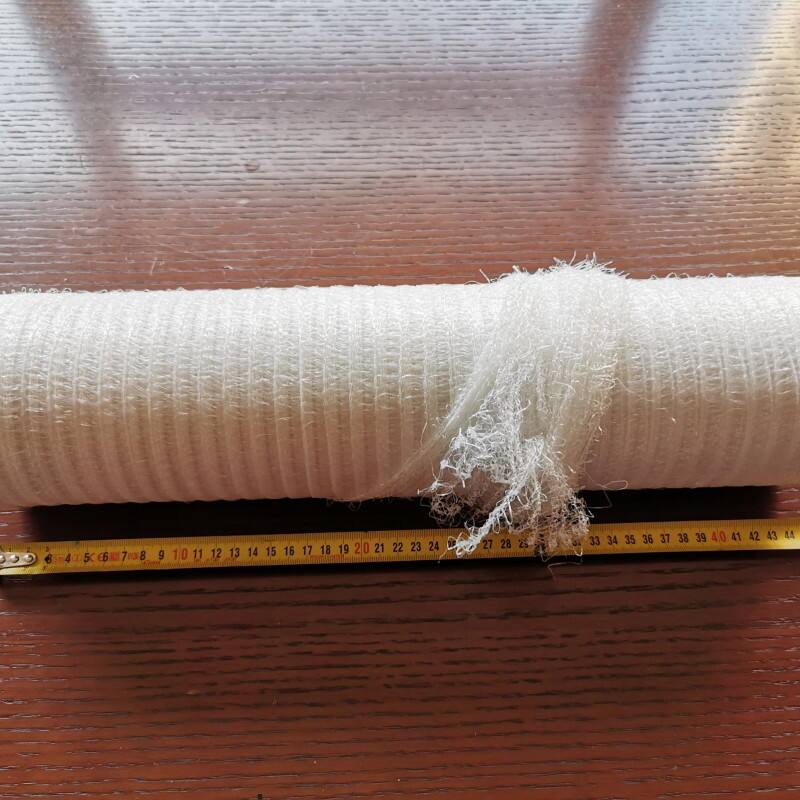
Specific produce categories demonstrate pronounced quality improvements with netted packaging. Leafy vegetables benefit from reduced condensation that would otherwise cause wilting and decay. Root vegetables like potatoes and carrots require moderate ventilation to prevent sprouting and moisture accumulation without excessive dehydration. Stone fruits and berries need continuous air circulation to remove ethylene while maintaining cool temperatures. The versatility of pallet wrap net allows customization of mesh density and wrapping tension to optimize ventilation for different commodity requirements, making it adaptable across diverse agricultural supply chains.
Industrial Products and Manufacturing Applications
Beyond food applications, pallet wrap net provides ventilation benefits for various industrial products sensitive to moisture accumulation or heat buildup. Freshly manufactured goods often retain residual heat from production processes that must dissipate before warehousing to prevent quality degradation. Electronics packaging, automotive components, and construction materials frequently require ventilation during the initial cooling period following production. The mesh structure accelerates this cooling process while securing products for immediate shipment without waiting for complete thermal equilibration.
Hygroscopic materials that absorb atmospheric moisture particularly benefit from the humidity control enabled by pallet wrap net ventilation. Cement, drywall, paper products, and certain chemicals require protection from direct water exposure while needing sufficient air circulation to prevent moisture concentration that degrades material properties. The netting provides rain protection through load compression and surface tension effects while allowing vapor transmission that prevents internal humidity buildup. This dual functionality eliminates the need for separate ventilation provisions or climate-controlled storage for moderately moisture-sensitive industrial goods.
Performance Optimization and Implementation Considerations
Wrapping Technique Impact on Ventilation Efficiency
The ventilation performance of pallet wrap net depends significantly on proper application technique that balances load containment with airflow preservation. Excessive wrapping tension can compress the mesh structure, reducing aperture size and restricting airflow pathways. Conversely, insufficient tension fails to generate adequate holding force for transportation stability. Optimal application typically requires fifty to seventy percent stretch ratio that maintains load integrity while preserving approximately sixty percent open surface area for ventilation. Automated wrapping equipment can be calibrated to deliver consistent tension profiles that optimize this balance.
The wrapping pattern also influences ventilation effectiveness. Spiral wrapping techniques that create uniform coverage across the load height ensure consistent air exchange opportunities throughout the pallet. Bottom and top reinforcement zones may employ tighter wrapping density for structural support while maintaining open mesh coverage across the main load body where ventilation needs are greatest. Some applications benefit from intentional gap spacing in wrap layers that creates vertical ventilation channels for enhanced convective airflow. Understanding these application variables allows users to customize ventilation performance for specific product requirements and environmental conditions.
Environmental Condition Considerations
The ventilation improvement provided by pallet wrap net operates most effectively within specific environmental parameter ranges that should inform implementation decisions. In extremely humid climates where ambient moisture levels approach saturation, even enhanced ventilation may prove insufficient to prevent condensation on refrigerated loads. Supplemental dehumidification or modified wrapping strategies may be necessary in these challenging conditions. Conversely, in arid environments with very low humidity, the open mesh structure must be balanced against excessive product dehydration that could occur with unrestricted ventilation.
Temperature fluctuation patterns during storage and transportation also affect ventilation performance. Significant diurnal temperature swings create repeated condensation cycles that test the moisture management capabilities of any packaging system. Pallet wrap net demonstrates superior performance in these variable conditions compared to solid films, but understanding the specific temperature profiles in your supply chain allows optimization of mesh density and wrapping configuration. Products experiencing extreme temperature differentials may require additional protective measures such as insulated pallet blankets in combination with ventilated netting to balance thermal protection with necessary airflow.
FAQ
What makes pallet wrap net more effective for ventilation than perforated stretch film?
Pallet wrap net provides superior ventilation compared to perforated stretch film because its open mesh structure creates continuous airflow pathways across the entire wrapped surface rather than discrete ventilation points. The mesh typically maintains over sixty percent open surface area, allowing omnidirectional air exchange that prevents humidity accumulation and enables efficient heat dissipation. Perforated films offer limited ventilation through specific hole patterns that may become blocked or provide inadequate air exchange for moisture-sensitive products. The structural design of netting ensures consistent ventilation performance throughout the distribution cycle without the risk of perforation closure that can occur when stretched films relax or shift during handling.
Can pallet wrap net provide sufficient load stability while maintaining ventilation benefits?
Yes, properly applied pallet wrap net delivers excellent load containment force while preserving ventilation functionality through its unique combination of material properties and structural design. The netting generates holding force through surface friction, load compression, and elastic tension rather than relying solely on film adhesion like stretch wrap. When applied at appropriate tension levels, the mesh creates sufficient contact area to stabilize loads during transportation while maintaining open apertures for airflow. Load stability testing has demonstrated that pallet wrap net meets or exceeds performance requirements for typical logistics applications including truck transportation, warehousing, and moderate handling operations. Products requiring exceptional stability for extreme conditions may benefit from hybrid approaches combining partial solid film coverage with ventilated netting zones.
How does pallet wrap net ventilation affect storage costs and product loss rates?
The enhanced ventilation provided by pallet wrap net typically reduces overall storage costs and product loss rates through multiple mechanisms. Improved moisture management extends product shelf life, reducing spoilage-related losses that can reach fifteen to thirty percent in poorly ventilated packaging systems. The natural temperature regulation enabled by mesh ventilation may reduce refrigeration energy requirements by facilitating more efficient heat exchange and preventing localized hot spots that force cooling systems to work harder. Additionally, reduced condensation and microbial growth decrease cleaning requirements and contamination incidents that generate disposal costs and potential liability issues. While pallet wrap net material costs may slightly exceed basic stretch film, the total cost of ownership typically favors netting for ventilation-dependent products when accounting for reduced losses and improved operational efficiency.
Which industries benefit most from implementing pallet wrap net for ventilation improvement?
Fresh produce and agricultural sectors derive the most significant benefits from pallet wrap net ventilation due to the respiration requirements and moisture sensitivity of living plant materials. However, numerous other industries experience valuable improvements including bakery operations handling products that emit steam after production, floral suppliers requiring ethylene removal and temperature control, pharmaceutical operations packaging moisture-sensitive materials, and industrial manufacturers dealing with heat retention in freshly produced goods. Building materials suppliers use ventilated netting for hygroscopic products like cement and drywall, while food service distributors apply it to refrigerated items requiring condensation control. Any application where product quality depends on managing internal humidity levels, dissipating metabolic or residual heat, or preventing gas accumulation can benefit from the ventilation enhancement that pallet wrap net provides compared to solid film packaging alternatives.
Table of Contents
- Structural Design Principles That Enable Airflow
- Airflow Dynamics and Ventilation Mechanics
- Moisture Management and Humidity Control
- Application-Specific Ventilation Benefits
- Performance Optimization and Implementation Considerations
-
FAQ
- What makes pallet wrap net more effective for ventilation than perforated stretch film?
- Can pallet wrap net provide sufficient load stability while maintaining ventilation benefits?
- How does pallet wrap net ventilation affect storage costs and product loss rates?
- Which industries benefit most from implementing pallet wrap net for ventilation improvement?