 EN
EN


In industrial logistics and warehouse operations, the ability of pallet wrap net to secure loads effectively depends fundamentally on meeting specific load capacity requirements. Understanding the appropriate load thresholds for different application scenarios ensures that packaged goods remain stable during transport, storage, and handling. This article examines the critical load capacity standards that pallet wrap net must fulfill across various industrial environments, helping procurement managers and logistics professionals make informed material selection decisions that balance operational safety with cost efficiency.
Determining the proper load capacity for pallet wrap net involves analyzing multiple factors including pallet weight, product type, transport mode, and handling frequency. Industrial applications range from lightweight consumer goods requiring modest containment force to heavy industrial components demanding robust securing solutions. The load capacity specification directly influences both the safety performance and the economic viability of packaging operations, making it essential to establish clear benchmarks aligned with actual operational demands rather than simply defaulting to maximum-strength options that may introduce unnecessary costs.
Understanding Load Capacity Requirements Based on Pallet Weight Categories
Light-Duty Applications for Pallets Under 500 Kilograms
For pallet loads weighing less than 500 kilograms, pallet wrap net typically requires a minimum load capacity ranging from 150 to 250 kilograms of containment force. These applications commonly include packaged consumer goods, lightweight electronics, and boxed products where the primary concern is preventing items from shifting rather than supporting extreme vertical compression forces. The net must provide sufficient tension to maintain load stability during standard forklift handling and regional transportation without over-engineering the solution.
Light-duty pallet wrap net in this category generally features a mesh structure with smaller aperture sizes and moderate polymer density. The material needs to distribute tension evenly across the pallet surface while allowing some degree of breathability for products requiring air circulation. Testing protocols for this load range focus on verifying that the net maintains integrity under repeated handling cycles and resists tearing when subjected to corner stress points that naturally occur during wrapping application.
Material selection for lighter loads often emphasizes flexibility and ease of application over pure tensile strength. Operators benefit from pallet wrap net that conforms smoothly to irregular load profiles while maintaining consistent containment pressure. The cost-performance balance in this segment favors solutions that meet minimum safety thresholds without exceeding material specifications that would unnecessarily increase per-pallet packaging expenses in high-volume operations.
Medium-Duty Standards for Pallets Between 500 and 1000 Kilograms
Pallets carrying loads in the 500 to 1000 kilogram range demand pallet wrap net with load capacities between 250 and 400 kilograms of containment force. This medium-duty category encompasses a broad spectrum of industrial products including bagged materials, bottled goods, and moderately dense manufactured components. The increased weight requires enhanced material performance to prevent load settling during transit and maintain stack stability in warehouse storage configurations.
The structural characteristics of medium-duty pallet wrap net include reinforced edge construction and higher polymer content to achieve necessary tensile strength. The mesh geometry must balance containment effectiveness with the practical requirement for visual load inspection through the netting material. Industrial users in this segment frequently encounter mixed-product pallets where uneven weight distribution creates localized stress concentrations that the netting must accommodate without premature failure.
Performance validation for medium-duty applications involves dynamic testing that simulates transportation vibration, acceleration forces during vehicle movement, and the cumulative stress of multiple handling events. The pallet wrap net must demonstrate consistent performance across temperature variations encountered in different climate zones and storage environments, as thermal cycling can affect polymer elasticity and overall containment capability in this critical load range.
Heavy-Duty Requirements for Pallets Exceeding 1000 Kilograms
Industrial operations handling pallet loads above 1000 kilograms require heavy-duty pallet wrap net with load capacities starting at 400 kilograms and extending to 600 kilograms or higher depending on specific application demands. These scenarios include dense materials such as metal components, bulk chemical containers, construction materials, and industrial machinery parts where load security directly impacts workplace safety and product integrity. The netting must withstand substantial forces without elongation that would compromise containment effectiveness.
Heavy-duty pallet wrap net incorporates advanced polymer formulations and reinforced mesh architectures designed to distribute extreme loads across the entire wrap surface. The material typically features increased thickness, tighter weave patterns, and specialized edge treatments that prevent stress concentration failures at vulnerable wrap termination points. These specifications ensure that the netting maintains structural integrity even when subjected to the aggressive handling procedures common in heavy industrial environments.
The economic considerations for heavy-duty applications differ significantly from lighter load categories. While the per-unit cost of high-capacity pallet wrap net exceeds standard options, the investment proves justified when considering the potential costs of load failure including damaged goods, workplace injuries, and operational disruptions. Proper load capacity selection in this segment requires detailed analysis of worst-case handling scenarios rather than average operational conditions to ensure adequate safety margins.
Critical Performance Factors Beyond Static Load Capacity
Dynamic Stress Tolerance During Transportation
The load capacity specifications for pallet wrap net must account for dynamic stresses that occur during transportation, which can substantially exceed the static weight of the pallet itself. Acceleration and deceleration forces during truck transport, railcar coupling impacts, and vessel movement in maritime shipping create momentary load multipliers that can reach 1.5 to 2.5 times the static pallet weight. The netting material must possess sufficient elastic reserve to absorb these shock loads without permanent deformation or structural failure.
Testing protocols for dynamic load capacity involve subjecting pallet wrap net samples to repeated stress cycling that simulates real-world transportation conditions. The material must return to its original containment tension after each stress event without accumulating fatigue damage that would compromise long-term performance. Industrial users should specify dynamic load tolerance requirements based on their specific transportation modes, with intermodal shipments requiring higher performance standards than direct-route trucking applications.
Environmental factors during transport further complicate dynamic load requirements. Temperature fluctuations affect polymer flexibility, with cold conditions reducing material elasticity and potentially causing brittle failures under impact. Conversely, elevated temperatures may reduce tensile strength and allow excessive elongation under sustained loads. The specified load capacity for pallet wrap net should incorporate appropriate derating factors that account for the temperature extremes encountered in specific shipping lanes and storage facilities.
Puncture Resistance for Mixed-Product Pallets
Beyond simple load-bearing capacity, pallet wrap net must demonstrate adequate puncture resistance when securing mixed-product pallets with protruding edges, sharp corners, or irregular geometries. The puncture threshold becomes a critical specification because localized failures can propagate rapidly through mesh structures, causing complete containment loss even when the overall load capacity appears adequate for the pallet weight. Industrial applications frequently encounter this challenge with products featuring metal banding, wooden crate edges, or rigid packaging components.
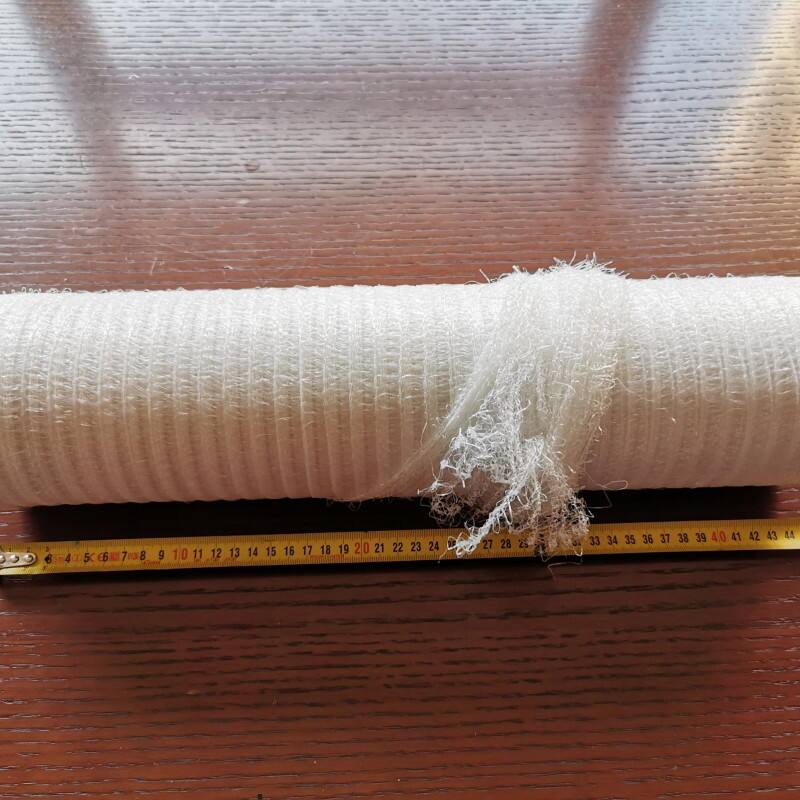
Material formulations that enhance puncture resistance typically incorporate higher molecular weight polymers or composite strand constructions that distribute point loads more effectively than standard mesh structures. The mesh aperture size plays a significant role in puncture performance, with smaller openings generally providing better resistance to penetration by sharp objects. However, reducing aperture size must be balanced against the requirement for visual product identification and the potential for reduced breathability in applications requiring air circulation.
Quality specifications for puncture-resistant pallet wrap net should include standardized testing using defined probe geometries and penetration rates. Industrial users benefit from requesting test data that correlates with their specific product profiles rather than relying solely on generic material strength ratings. The investment in puncture-enhanced netting proves particularly valuable in operations handling diverse product mixes where the risk of sharp-object contact cannot be eliminated through improved palletizing practices alone.
UV Degradation Resistance for Extended Outdoor Storage
Pallet wrap net intended for outdoor storage applications must maintain specified load capacities despite prolonged ultraviolet exposure that can degrade polymer structures over time. Standard formulations without UV stabilization may lose 30 to 50 percent of their original tensile strength within several months of continuous sunlight exposure, creating serious safety risks for loads that remain wrapped during extended storage periods. The load capacity specification must therefore incorporate retention requirements that define acceptable performance degradation over the anticipated storage duration.
UV-stabilized pallet wrap net incorporates specialized additives that absorb or reflect harmful wavelengths, significantly extending the material's functional lifespan in outdoor environments. The degree of UV protection required depends on geographic location, with equatorial regions experiencing more intense solar radiation than higher latitudes. Industrial facilities should specify UV stabilization levels based on actual storage site conditions and typical inventory turnover rates to avoid both under-protection that leads to premature failure and over-specification that unnecessarily increases material costs.
Performance validation for UV-resistant formulations involves accelerated weathering tests that simulate extended exposure periods in compressed timeframes. Quality certifications should document the residual load capacity after standardized UV exposure, allowing procurement managers to compare different pallet wrap net options on an equivalent basis. For applications involving outdoor storage exceeding six months, specifying materials that retain at least 80 percent of original load capacity after defined UV exposure provides appropriate safety margins for most industrial scenarios.
Application-Specific Load Capacity Considerations
Food and Beverage Industry Requirements
The food and beverage sector presents unique load capacity challenges for pallet wrap net due to the combination of high product density, moisture exposure, and stringent hygiene standards. Beverage pallets commonly reach weights between 800 and 1200 kilograms, requiring netting with robust load capacity while maintaining compatibility with food-contact regulations. The material must resist degradation from condensation and temperature cycling in cold storage environments without introducing contaminants that could compromise product safety.
Load capacity specifications for food-grade pallet wrap net must account for the additional stress imposed by refrigerated storage and transport conditions. Cold temperatures reduce polymer flexibility and can increase brittleness, potentially lowering effective load capacity by 10 to 20 percent compared to ambient conditions. Industrial users should request low-temperature performance data from suppliers and apply appropriate safety factors when calculating required containment force for refrigerated applications.
The beverage industry frequently encounters the challenge of securing cylindrical containers that tend to roll or shift under transportation stresses. Pallet wrap net for these applications requires enhanced lateral containment characteristics beyond simple vertical load-bearing capacity. The mesh structure must create sufficient friction against container surfaces to prevent rotational movement while maintaining the breathability required for products that generate condensation during temperature transitions between storage and distribution environments.
Construction Materials and Building Products
Construction material handling demands pallet wrap net with exceptional load capacity due to the dense, heavy nature of products like bagged cement, tile boxes, and bundled lumber. Individual pallets regularly exceed 1500 kilograms, with some specialized materials approaching 2000 kilograms on reinforced pallet structures. The netting must provide reliable containment despite the abrasive surfaces and angular geometries characteristic of construction products that create concentrated stress points during wrapping and handling operations.
Environmental exposure represents a significant concern for construction materials that may remain wrapped outdoors for extended periods at job sites. The pallet wrap net must maintain specified load capacity despite exposure to rain, direct sunlight, and temperature extremes while resisting the abrasive damage that occurs when pallets are positioned on rough ground surfaces or transported through construction zones with elevated dust and debris. Material specifications should address both initial load capacity and retention of performance throughout the anticipated outdoor exposure duration.
The construction industry increasingly values pallet wrap net that facilitates efficient handling with material-specific equipment such as forklift-mounted rotating clamps and overhead crane systems. Load capacity specifications must account for the concentrated forces applied during mechanical handling, which differ substantially from the distributed loads encountered with standard forklift tines. Industrial users benefit from collaborating with netting suppliers who understand construction logistics and can recommend appropriate load capacity buffers for equipment-specific handling requirements.
Automotive and Manufacturing Components
Automotive supply chains utilize pallet wrap net for securing diverse components ranging from lightweight interior trim pieces to heavy transmission assemblies and stamped body panels. The load capacity requirements vary dramatically across this spectrum, necessitating careful specification matching to avoid both inadequate containment and wasteful over-engineering. Manufacturing facilities benefit from establishing categorized load capacity standards that align with their specific component mix and handling procedures rather than defaulting to single-specification approaches.
The just-in-time delivery models prevalent in automotive manufacturing create unique demands for pallet wrap net performance. Components must remain securely contained through multiple handling events and potentially complex transportation routes involving transfers between different vehicle types. The specified load capacity must account for the cumulative stress of repeated handling without requiring re-wrapping operations that would disrupt tight production schedules and introduce additional labor costs into lean manufacturing operations.
Automotive components frequently feature protective packaging layers that create slippery surfaces with reduced friction coefficients compared to corrugated boxes or shrink-wrapped products. The pallet wrap net must provide adequate lateral containment force despite these low-friction interfaces, potentially requiring higher overall load capacity specifications than would be necessary for equivalent weights of higher-friction materials. Testing protocols should evaluate containment effectiveness against representative component configurations rather than relying solely on standardized test loads that may not accurately predict performance with specific automotive packaging systems.
Quality Standards and Testing Protocols
Industry Certification Requirements
Professional procurement of pallet wrap net requires verification that materials meet relevant industry standards for load capacity and performance consistency. Organizations such as the International Safe Transit Association and various national standards bodies have established testing protocols that define how load capacity should be measured and reported. Industrial buyers should request certification documentation demonstrating compliance with applicable standards rather than accepting unverified manufacturer claims about product performance capabilities.
The certification process typically involves independent laboratory testing using standardized equipment and procedures that ensure reproducible results. Load capacity measurements should be reported with clear definitions of test conditions including temperature, humidity, wrap tension, and loading rate. Comparative evaluation of different pallet wrap net options becomes meaningful only when performance data derives from equivalent testing protocols, making standardized certification an essential component of informed material selection decisions.
Beyond initial product qualification, ongoing quality assurance requires periodic verification that production batches maintain specified load capacity within acceptable tolerance ranges. Industrial users of pallet wrap net should establish receiving inspection protocols or request supplier-provided certificates of analysis that document batch-specific performance characteristics. This quality vigilance proves particularly important for high-volume operations where material performance variations could affect thousands of pallets and create significant operational disruptions if containment failures occur in production use.
Field Performance Validation Methods
Laboratory test results provide essential baseline data for pallet wrap net load capacity, but real-world validation through field trials offers critical insights into how materials perform under actual operational conditions. Industrial facilities should implement systematic field testing programs when evaluating new netting products or when operational parameters change significantly. These trials should involve representative product mixes, typical handling equipment, and authentic transportation scenarios rather than idealized test conditions that may not predict actual performance.
Effective field validation protocols include documented inspection procedures at multiple points in the distribution chain, from initial wrapping through final destination delivery. Evaluation criteria should address both catastrophic failures involving complete load loss and more subtle performance issues such as excessive slack development or localized tearing that could progress to failures in subsequent handling events. Photographic documentation of pallet wrap net condition at each inspection point creates valuable performance records that support data-driven material selection refinement.
The insights gained from systematic field testing often reveal performance factors that laboratory tests cannot fully capture, such as the interaction between specific product geometries and mesh structures or the cumulative effects of particular handling practices on netting durability. Industrial operations benefit from establishing feedback mechanisms that channel field performance data to procurement decision-makers, enabling continuous improvement in load capacity specification accuracy and alignment with actual operational demands rather than theoretical requirements.
Failure Analysis and Root Cause Investigation
When pallet wrap net failures occur, thorough root cause analysis determines whether the incident resulted from inadequate load capacity specification, material quality issues, improper application techniques, or handling practices that exceeded design parameters. Systematic failure investigation provides actionable intelligence for refining load capacity requirements and preventing recurrence of similar incidents. Industrial facilities should preserve failed netting samples and document the circumstances surrounding failure events to enable meaningful analysis by technical specialists.
Common failure modes include tensile rupture at maximum stress points, edge tearing where wrap termination occurs, mesh unraveling from manufacturing defects, and progressive degradation from environmental exposure. Each failure pattern suggests different corrective actions, from increasing specified load capacity to improving application training or selecting formulations with enhanced resistance to relevant environmental stressors. The distinction between failures caused by genuinely inadequate load capacity and those resulting from other factors proves essential for avoiding unnecessary material cost increases that address symptoms rather than root causes.
Advanced failure analysis may involve laboratory examination of failed pallet wrap net samples to characterize material properties and compare actual performance against original specifications. Techniques such as tensile testing of aged material samples, microscopic examination of fracture surfaces, and chemical analysis to detect degradation provide objective data that supports informed decisions about whether load capacity specifications require adjustment or whether other factors deserve primary attention in failure prevention strategies.
FAQ
What is the minimum load capacity required for standard industrial pallet wrap net?
For general industrial applications, pallet wrap net should provide a minimum containment force of 150 to 250 kilograms for light loads under 500 kilograms, 250 to 400 kilograms for medium loads between 500 and 1000 kilograms, and 400 to 600 kilograms or higher for heavy loads exceeding 1000 kilograms. The specific requirement depends on product characteristics, handling intensity, and transportation conditions, with dynamic stress factors potentially requiring 50 to 100 percent additional capacity beyond static pallet weight.
How do temperature conditions affect pallet wrap net load capacity?
Temperature significantly influences the effective load capacity of pallet wrap net through its impact on polymer flexibility and tensile strength. Cold storage environments below 5 degrees Celsius can reduce effective capacity by 10 to 20 percent due to increased material brittleness, while elevated temperatures above 35 degrees Celsius may cause excessive elongation and reduced containment force. Industrial users should apply appropriate derating factors based on their specific storage and transportation temperature ranges to maintain adequate safety margins.
Can the same pallet wrap net specification work for different product types on identical pallet weights?
Different product types with identical pallet weights may require different pallet wrap net specifications due to variations in load geometry, surface friction characteristics, and stability profiles. Products with protruding edges demand enhanced puncture resistance, while slippery packaged goods require higher lateral containment force despite equivalent weights. Mixed-product pallets with uneven weight distribution create localized stress concentrations that may necessitate higher overall load capacity specifications compared to uniformly distributed loads of the same total weight.
How often should pallet wrap net load capacity specifications be reviewed and updated?
Industrial operations should review pallet wrap net load capacity specifications annually or whenever significant changes occur in product mix, packaging methods, handling equipment, or distribution networks. Systematic analysis of field performance data and failure incident records provides empirical foundation for specification refinements. Organizations experiencing frequent material handling damage or containment failures should conduct immediate reviews regardless of regular schedule intervals, as these symptoms may indicate misalignment between current specifications and actual operational demands requiring corrective specification adjustments.
Table of Contents
- Understanding Load Capacity Requirements Based on Pallet Weight Categories
- Critical Performance Factors Beyond Static Load Capacity
- Application-Specific Load Capacity Considerations
- Quality Standards and Testing Protocols
-
FAQ
- What is the minimum load capacity required for standard industrial pallet wrap net?
- How do temperature conditions affect pallet wrap net load capacity?
- Can the same pallet wrap net specification work for different product types on identical pallet weights?
- How often should pallet wrap net load capacity specifications be reviewed and updated?