 EN
EN

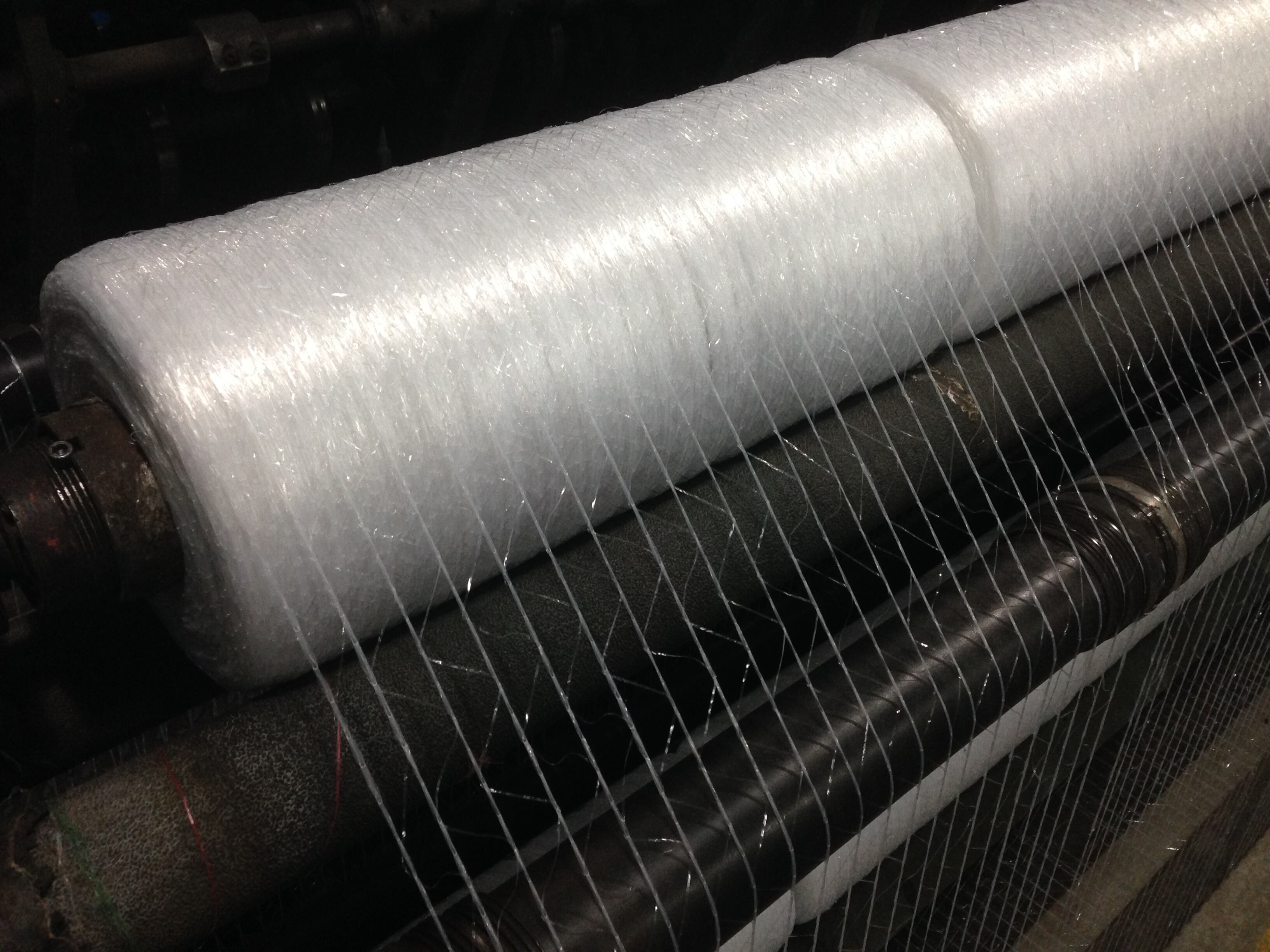
Long-distance transport presents significant challenges for cargo security, with loads frequently subjected to vibration, sudden braking, temperature fluctuations, and handling stresses that can compromise stability. When palletized goods travel across highways, railways, or ocean freight routes, the method used to secure them directly impacts product integrity and delivery success. The pallet wrap net has emerged as a specialized solution designed to address these dynamic transport conditions through a combination of elastic containment, load stabilization, and structural reinforcement that traditional wrapping methods often struggle to achieve consistently.
Understanding how pallet wrap net functions during extended transit requires examining its mechanical properties, application methodology, and interaction with cargo geometry under real-world transport stresses. Unlike conventional stretch film that relies primarily on surface tension and multiple overlapping layers, the netted structure creates a three-dimensional containment system that distributes forces more evenly while allowing controlled flexibility. This mechanism proves particularly effective when loads must withstand the cumulative effects of thousands of miles of movement, where even minor shifting can escalate into significant displacement or damage over time.
The Mechanical Principles Behind Pallet Wrap Net Cargo Containment
Elastic Memory and Load Compression Dynamics
The fundamental security mechanism of pallet wrap net stems from its polymer composition engineered to maintain elastic memory under prolonged stress. When applied with proper tension during the wrapping process, the net compresses the cargo mass toward the pallet base while simultaneously creating horizontal containment pressure. This dual-axis compression reduces the natural tendency of stacked items to shift independently during transport accelerations and decelerations. The material's ability to recover from temporary deformation means that even when external forces momentarily displace cargo elements, the net works to return them to their compressed configuration.
During long-distance transport, cargo experiences micro-movements that accumulate over time. The pallet wrap net counteracts this through continuous elastic tension that maintains consistent pressure across the load surface. Unlike rigid strapping that can loosen as cargo settles or compresses, the net's stretchable structure adapts to minor dimensional changes while preserving overall containment integrity. This adaptive characteristic proves essential when transporting materials with varying compressibility, such as packaged consumer goods, agricultural products, or building materials that may experience moisture content changes during transit.
Distributed Pressure Points and Load Stability
The open mesh architecture of pallet wrap net creates hundreds of individual contact points across the cargo surface rather than continuous wrap coverage. This distribution pattern prevents concentrated pressure zones that can damage sensitive packaging while still achieving effective load unitization. Each intersection point in the net structure acts as a miniature anchor, collectively forming a flexible cage around the palletized goods. When transport vehicles encounter rough road surfaces or sudden directional changes, these distributed contact points absorb and dissipate forces more uniformly than solid wrapping materials.
The geometric spacing of the net's apertures allows the material to conform to irregular load profiles without creating tension gaps. For cargo with protruding edges, corners, or uneven surfaces, the pallet wrap net maintains securing contact across these variations without requiring additional protective layers. This conformability becomes particularly valuable during multi-stop delivery routes where partial unloading creates new load configurations that must remain secure for subsequent transport legs. The net adjusts to these changing geometries while maintaining sufficient restraint to prevent load shifting or collapse.
Vibration Dampening Through Structural Flexibility
Long-haul transportation subjects cargo to constant vibrational frequencies ranging from low-amplitude road oscillations to higher-frequency mechanical vibrations from vehicle powertrains. The pallet wrap net functions as a dynamic dampening system by allowing controlled micro-movement within its elastic structure while preventing macro-displacement of the entire load. This controlled flexibility absorbs vibrational energy that would otherwise transmit directly through rigid containment systems, potentially causing fatigue damage to packaging or product fracturing in fragile goods.
The net's ability to flex without losing tension creates a buffer zone between the cargo mass and external disturbances. When a transport vehicle traverses uneven terrain, the pallet wrap net stretches and retracts in response to inertial forces, effectively cushioning the load against sudden impacts. This mechanical behavior extends the effective service range of the securing system, maintaining cargo integrity across diverse transport conditions from smooth highways to deteriorated rural roads. The dampening effect becomes especially critical for high-value electronics, precision components, or glass products where cumulative vibration exposure can compromise product functionality or structural integrity.
Application Methodology and Securing Effectiveness
Optimal Wrapping Patterns for Load Containment
Achieving maximum cargo security with pallet wrap net requires strategic application patterns that account for load geometry, weight distribution, and anticipated transport stresses. The most effective approach begins with securing the net base to the pallet structure itself, creating an anchor foundation that prevents the entire wrapping system from sliding upward during transit. Operators typically spiral the net around the load perimeter while maintaining consistent overlap percentages, ensuring that no gaps exist where individual items could work free during movement.
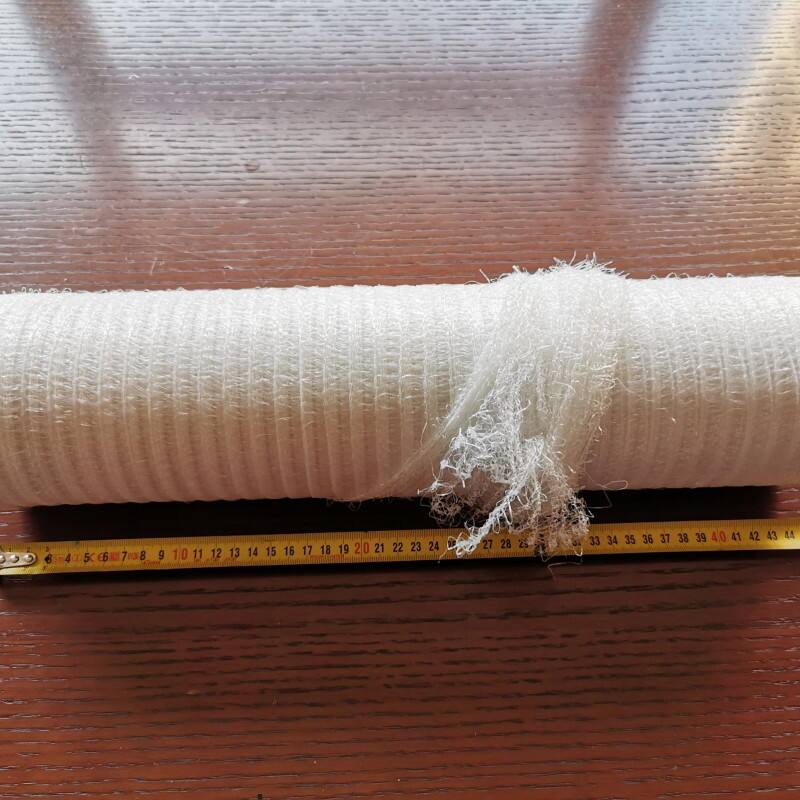
For tall or unstable loads, supplementary horizontal wrapping layers reinforce vertical containment, creating a grid-like structure that restricts movement in multiple planes simultaneously. The pallet wrap net accommodates these varied application strategies because its stretchability allows operators to adjust tension based on cargo characteristics. Heavier, denser loads require higher initial tension to prevent settling-related loosening, while lighter or more compressible goods benefit from moderate tension that secures without crushing. This adjustability makes the net versatile across different cargo types within the same transport operation.
Tension Management and Elastic Recovery Performance
The securing effectiveness of pallet wrap net during long-distance transport depends critically on proper tension calibration during application. Insufficient initial tension results in loose wrapping that permits excessive load movement, while over-tensioning can stress the net material beyond its elastic recovery range, causing premature failure or cargo damage. Professional logistics operations typically specify tension parameters as percentages of the net's maximum elongation capacity, ensuring consistent application quality across different operators and wrapping equipment configurations.
Throughout extended transport durations, the pallet wrap net's elastic recovery properties maintain securing force despite environmental temperature variations and cargo settling. The polymer formulation retains elasticity across typical transport temperature ranges, preventing the brittleness issues that affect some plastic films in cold conditions or the excessive stretching that can occur in high heat. This temperature stability ensures that cargo secured in a climate-controlled warehouse maintains equivalent protection when transported through varying regional climates, from arctic conditions to desert heat, without requiring climate-specific wrapping adjustments.
Integration with Pallet Design and Cargo Configuration
The interaction between pallet wrap net and pallet structural features significantly influences overall securing performance. Standard pallet designs with bottom deck boards provide anchor points where net edges can be tucked or secured, creating a positive mechanical lock that prevents upward migration. When securing cargo on pallets with perimeter stringers, operators can route net layers beneath these structural members, effectively tying the entire wrapped unit to the pallet foundation. This integration transforms the pallet and cargo into a single rigid unit that resists the types of shifting that occur when wrapping only engages the cargo mass itself.
Cargo stacking patterns also determine pallet wrap net effectiveness during transport. Column-stacked loads with aligned vertical edges respond well to perimeter net wrapping, as the continuous vertical surfaces provide uniform tension distribution. Interlocked or brick-pattern stacking creates more complex geometries that benefit from the net's conformability, though these configurations may require additional wrapping passes to ensure complete coverage of potential movement planes. Understanding these geometric relationships allows logistics professionals to optimize both stacking methodology and net application strategy for maximum transport security.
Performance Advantages Over Alternative Securing Methods
Comparative Load Retention Under Dynamic Transport Conditions
When evaluated against traditional stretch film wrapping, pallet wrap net demonstrates superior load retention characteristics under the dynamic acceleration and deceleration cycles common in long-distance transport. Stretch film relies on multiple overlapping layers to achieve containment force, creating a rigid shell that can develop stress concentrations at load corners and edges. The net structure distributes tension more uniformly while accommodating the natural compression and expansion that occurs as cargo responds to inertial forces during braking, acceleration, and cornering maneuvers.
Field testing in actual transport scenarios reveals that pallet wrap net maintains higher percentage of initial tension after extended transit compared to conventional wrapping films. This retention advantage translates directly to reduced load shifting incidents, particularly during the final delivery segments where trucks navigate urban environments with frequent stops and turns. The net's open structure also provides visual inspection capability, allowing drivers and warehouse personnel to verify cargo condition without removing securing materials, a significant operational advantage for multi-stop delivery routes requiring intermediate inspections.
Material Efficiency and Environmental Considerations
The securing efficiency of pallet wrap net extends beyond load retention to encompass material usage optimization. Because the net achieves effective containment through structural geometry rather than mass coverage, it typically requires less total polymer material compared to achieving equivalent security with stretch film. This material efficiency reduces both raw material costs and the environmental footprint associated with packaging waste. For logistics operations handling thousands of pallets monthly, these efficiency gains accumulate into substantial cost savings and sustainability improvements.
The reduced material volume also simplifies waste handling at destination facilities. Pallet wrap net generates less disposal bulk than multiple layers of stretch film, easing waste management logistics and reducing landfill contributions. Some net formulations incorporate recyclable polymers that can be processed through existing plastic recycling streams, further enhancing environmental performance. For companies pursuing sustainability certifications or carbon footprint reduction goals, transitioning to pallet wrap net for cargo securing represents a measurable improvement that aligns securing effectiveness with environmental responsibility.
Adaptation to Specialized Cargo Requirements
Certain cargo categories present unique securing challenges during long-distance transport that pallet wrap net addresses more effectively than alternative methods. Ventilation-required loads such as fresh produce, horticultural products, or temperature-sensitive pharmaceuticals benefit from the net's open structure, which permits air circulation while maintaining physical containment. This breathability prevents the moisture condensation issues that plague solid film wrapping in refrigerated transport, reducing product spoilage and extending shelf life for perishable goods.
For irregularly shaped cargo like cylindrical containers, bagged materials, or machinery components with protruding features, pallet wrap net conforms to complex geometries without creating the bridging gaps that occur with rigid wrapping materials. The net's flexibility allows it to engage undercuts and recesses in the load profile, creating positive mechanical locks that prevent rotation or sliding. This geometric adaptability expands the range of cargo types that can be effectively secured for long-distance transport without requiring custom packaging solutions or secondary restraint systems.
Durability and Failure Prevention Across Transport Durations
Resistance to Environmental Degradation Factors
Long-distance transport exposes securing materials to cumulative environmental stresses including UV radiation, temperature cycling, moisture exposure, and chemical contact from cargo or atmospheric pollutants. Pallet wrap net formulations engineered for logistics applications incorporate UV stabilizers and antioxidant additives that resist photodegradation during outdoor storage or uncovered transport segments. This chemical resistance ensures that the net maintains structural integrity and elastic properties even when exposed to direct sunlight for extended periods during cross-country hauling or port-side staging.
Temperature extremes encountered during seasonal transport operations affect different securing materials in varying degrees. The polymer blends used in quality pallet wrap net products maintain flexibility in sub-freezing conditions while avoiding excessive softening in high-temperature environments. This thermal stability prevents the embrittlement that can cause conventional plastic films to crack during cold-weather handling or the tension loss that occurs when materials soften excessively in heat. The consistent performance across temperature ranges makes pallet wrap net suitable for year-round logistics operations without seasonal material substitutions.
Abrasion Resistance and Edge Integrity
The mechanical stresses of long-distance transport include abrasion from cargo movement, contact with vehicle interior surfaces, and friction during loading and unloading operations. Pallet wrap net construction typically features reinforced strand orientations that resist abrasive wear better than thin-gauge films. The net's thickness and cross-sectional geometry distribute wear forces across larger material volumes, preventing the premature puncture or tearing that can compromise entire wrapping systems when single weak points develop.
Edge integrity remains critical throughout transport duration, as securing failure frequently initiates at net termination points where stress concentrations develop. Professional-grade pallet wrap net incorporates edge reinforcement through increased material density or specialized weave patterns at cut edges, preventing the unraveling that can occur with simple mesh materials. These engineered edge characteristics ensure that even if localized damage occurs during handling, the failure remains contained rather than propagating across the entire securing system, maintaining cargo security until delivery completion.
Fatigue Resistance Under Cyclic Loading
Transport dynamics subject pallet wrap net to repetitive stress cycles as cargo responds to vehicle motion, with each acceleration, deceleration, or directional change creating temporary tension variations. The material's resistance to fatigue failure under these cyclic loading conditions determines its reliability across extended transport distances. High-quality net products undergo polymer engineering that optimizes molecular chain orientation and cross-linking density to resist the cumulative damage effects of repeated stretching and relaxation cycles.
The fatigue performance of pallet wrap net becomes particularly critical during intermodal transport where cargo experiences multiple handling events and varied motion profiles across different transport modes. A pallet secured for truck transport may subsequently undergo rail transport with different vibration characteristics, followed by ship transport with rolling and pitching motions, then final truck delivery. The net must maintain securing effectiveness through these varied stress regimes without developing material weaknesses that could precipitate sudden failure. Laboratory fatigue testing and field validation programs ensure that commercial net products achieve the durability necessary for these demanding multi-modal logistics applications.
FAQ
What makes pallet wrap net more effective than stretch film for long-distance cargo securing?
Pallet wrap net provides superior securing effectiveness through its elastic three-dimensional structure that distributes containment forces more uniformly than stretch film's surface tension approach. The net maintains consistent tension across longer transport durations because its polymer composition resists the stress relaxation that causes film wrapping to loosen. Additionally, the open mesh structure allows air circulation for temperature-sensitive cargo while providing visual inspection capability without material removal, advantages particularly valuable during extended multi-stop delivery routes where cargo integrity verification is essential.
How does pallet wrap net perform in extreme temperature conditions during transport?
Quality pallet wrap net formulations maintain elastic properties and structural integrity across the wide temperature ranges encountered in long-distance transport, typically from negative fifteen degrees to positive fifty degrees Celsius. The polymer blends resist cold-temperature embrittlement that causes conventional plastics to crack while avoiding excessive softening in high heat that would compromise tension retention. This thermal stability ensures consistent securing performance whether cargo travels through arctic winter conditions, desert heat environments, or refrigerated transport compartments, eliminating the need for seasonal material substitutions in year-round logistics operations.
Can pallet wrap net secure irregularly shaped cargo effectively during long hauls?
The conformable structure of pallet wrap net makes it exceptionally effective for securing irregular cargo geometries during extended transport. Unlike rigid wrapping materials that bridge across concave surfaces or fail to engage protruding features, the net's flexibility allows it to conform to complex load profiles while maintaining securing contact. This adaptability proves particularly valuable for machinery components, cylindrical containers, or mixed-product pallets where conventional wrapping methods create gaps that permit load shifting. The net engages undercuts and wraps around protrusions, creating mechanical locks that prevent rotation and sliding throughout long-distance transit.
How many times can pallet wrap net maintain securing force during a cross-country transport route?
When properly applied with appropriate initial tension, pallet wrap net maintains effective securing force throughout typical long-distance transport durations extending several days and thousands of kilometers. The material's elastic recovery properties and fatigue resistance allow it to absorb and respond to countless acceleration cycles, vibration episodes, and handling events without significant tension degradation. Field performance data indicates that professionally applied pallet wrap net retains over eighty percent of initial containment force after transport distances exceeding three thousand kilometers, providing consistent cargo security from origin to final destination across continental logistics networks.
Table of Contents
- The Mechanical Principles Behind Pallet Wrap Net Cargo Containment
- Application Methodology and Securing Effectiveness
- Performance Advantages Over Alternative Securing Methods
- Durability and Failure Prevention Across Transport Durations
-
FAQ
- What makes pallet wrap net more effective than stretch film for long-distance cargo securing?
- How does pallet wrap net perform in extreme temperature conditions during transport?
- Can pallet wrap net secure irregularly shaped cargo effectively during long hauls?
- How many times can pallet wrap net maintain securing force during a cross-country transport route?