 EN
EN

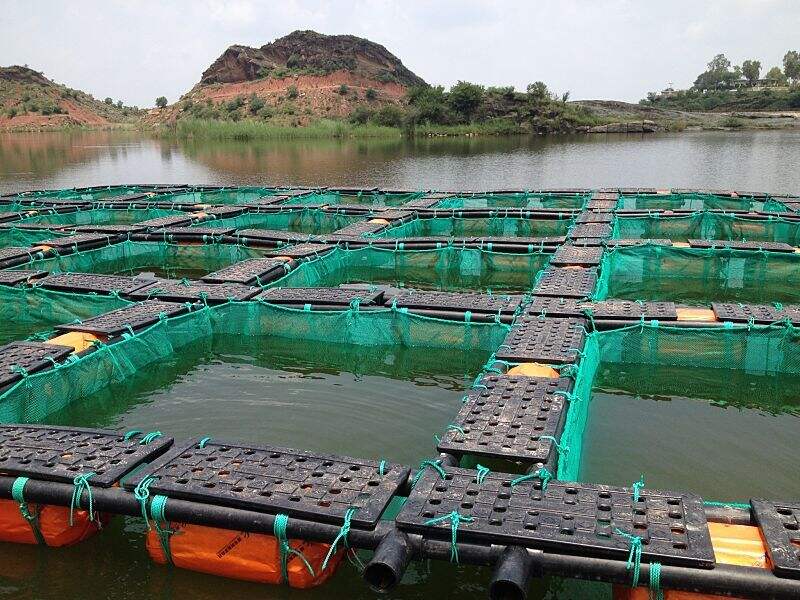
The service life of an industrial fishing cage net is a critical factor that directly affects the profitability, operational efficiency, and sustainability of aquaculture operations. Understanding what determines how long these nets remain functional helps fish farmers make informed purchasing decisions, implement better maintenance protocols, and optimize their return on investment. An industrial fishing cage net that fails prematurely can lead to fish escape, increased mortality, structural damage to farming infrastructure, and significant financial losses. Therefore, identifying and managing the factors that influence net longevity is essential for anyone involved in commercial aquaculture.
Multiple interconnected variables determine how long an industrial fishing cage net will perform reliably in demanding marine or freshwater environments. These factors range from the inherent material properties and manufacturing quality to environmental exposure conditions and operational management practices. Material selection, UV stabilization, mesh construction techniques, water chemistry, biofouling intensity, mechanical stress patterns, maintenance frequency, and installation methods all play distinct roles in determining net durability. By systematically examining each of these factors, aquaculture operators can develop comprehensive strategies to extend net service life, reduce replacement frequency, and improve the overall economic viability of their fishing cage operations.
Material Composition and Manufacturing Quality
Base Polymer Selection and Molecular Structure
The fundamental material used to manufacture an industrial fishing cage net establishes the baseline for its potential service life. Nylon monofilament, polyethylene, and other synthetic polymers each possess distinct molecular structures that determine their resistance to degradation mechanisms. High-density polyethylene exhibits excellent chemical resistance and flexibility but may suffer from UV-induced chain scission over time. Nylon materials, particularly nylon 6 and nylon 6,6, offer superior tensile strength and abrasion resistance, making them preferred choices for high-stress aquaculture applications. The molecular weight distribution within the polymer directly correlates with mechanical performance and degradation resistance. Higher molecular weight polymers typically demonstrate enhanced durability because longer polymer chains create more entanglement points and require more energy to break down. The crystallinity level of the base material also matters significantly, as higher crystalline structures generally provide better resistance to chemical attack and physical wear.
UV Stabilization and Additive Systems
Ultraviolet radiation from sunlight represents one of the most aggressive degradation mechanisms affecting industrial fishing cage net longevity, particularly for surface and near-surface installations. UV photons break chemical bonds in polymer chains through a process called photodegradation, leading to embrittlement, discoloration, and eventual mechanical failure. Manufacturers incorporate UV stabilizer additives into the polymer matrix to absorb or dissipate UV energy before it can damage the polymer structure. Hindered amine light stabilizers (HALS) and UV absorbers work synergistically to extend outdoor service life substantially. The concentration and distribution uniformity of these additives directly determine how effectively the industrial fishing cage net resists UV-induced degradation. Premium nets may contain stabilizer packages that extend useful life by three to five times compared to unstabilized materials. However, UV stabilizers gradually deplete through leaching and chemical consumption, meaning even well-protected nets will eventually succumb to photodegradation after prolonged exposure.
Manufacturing Process and Quality Control
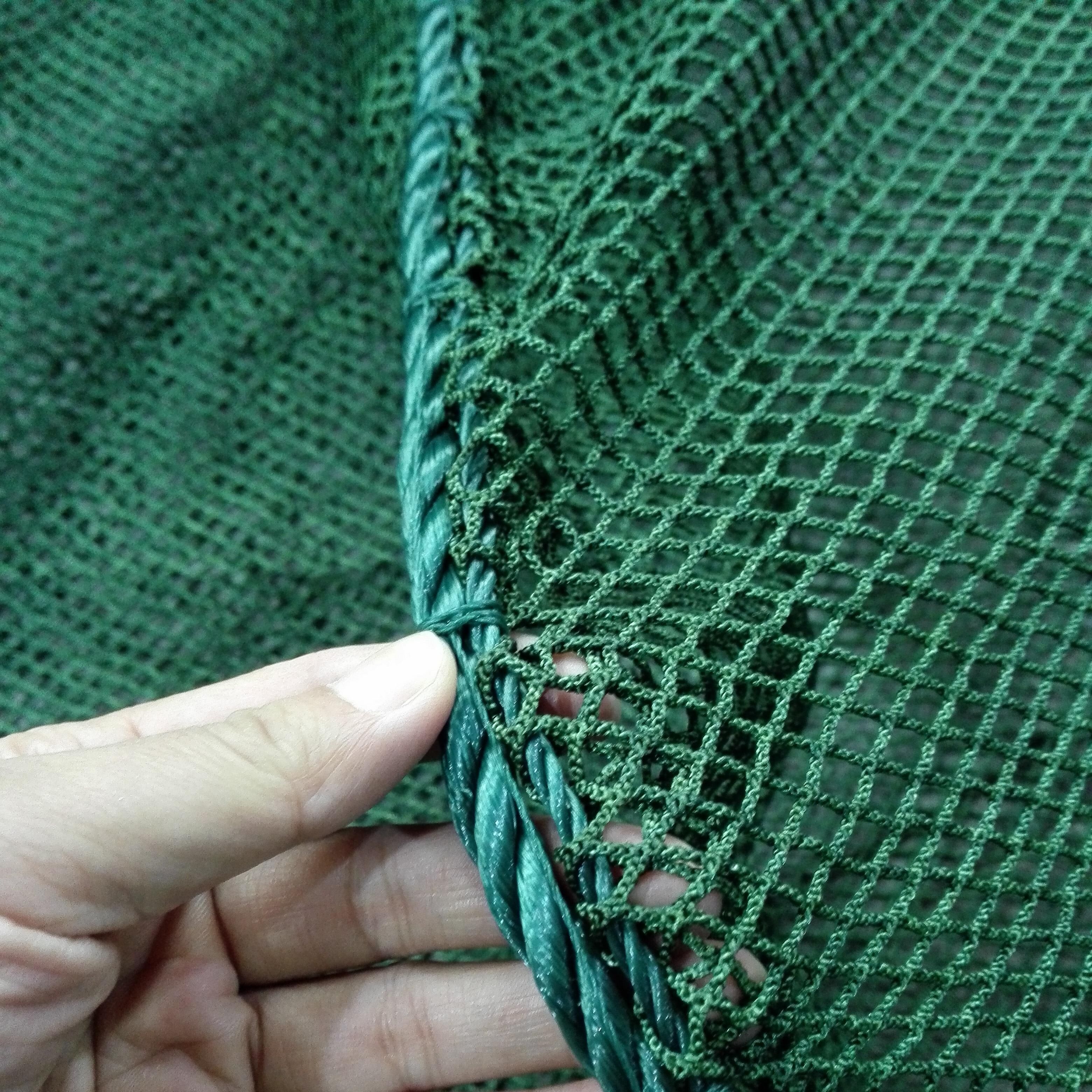
The extrusion or spinning process used to create monofilament fibers for an industrial fishing cage net significantly influences its structural integrity and longevity. Proper temperature control during polymer melting ensures complete homogenization without thermal degradation. Drawing ratios and cooling rates during fiber formation affect crystalline orientation and residual stress patterns within the monofilament. Nets manufactured with inconsistent processing parameters may contain weak points that become failure initiation sites under operational loads. Knot construction methods also play a crucial role, as poorly formed knots concentrate stress and create localized weak zones. Advanced manufacturing facilities employ real-time quality monitoring systems to detect diameter variations, tensile strength deviations, and surface imperfections. The quality of raw materials, including the consistency of polymer batches and purity of additives, establishes the foundation for long-term performance. An industrial fishing cage net produced with rigorous quality control protocols will consistently outperform cheaper alternatives manufactured with variable standards, even when nominal specifications appear similar.
Environmental Exposure Conditions
Water Chemistry and Salinity Effects
The chemical composition of the water surrounding an industrial fishing cage net exerts continuous influence on material degradation rates throughout its service life. Saltwater environments present particularly aggressive conditions due to the presence of chloride ions, which can accelerate polymer chain hydrolysis and promote electrochemical degradation processes. Freshwater installations generally experience slower chemical degradation, though water quality parameters such as pH, dissolved oxygen, and industrial pollutants still affect net longevity. Extreme pH conditions, whether highly acidic or alkaline, can catalyze hydrolytic breakdown of polymer chains, particularly in polyamide materials like nylon. Dissolved metals, agricultural runoff containing pesticides, and industrial effluents may contain chemicals that interact with polymer matrices or accelerate oxidative degradation. Temperature fluctuations in the water column affect the rate of chemical reactions, with warmer waters generally promoting faster degradation processes. An industrial fishing cage net deployed in pristine, temperature-stable waters will typically last significantly longer than identical netting exposed to polluted or thermally variable conditions.
Biofouling Intensity and Organism Attachment
Biological organisms that colonize the surfaces of an industrial fishing cage net create multiple pathways for accelerated degradation and reduced service life. Algae, barnacles, mussels, tunicates, and various microorganisms attach to net surfaces, creating additional weight loads and altering hydrodynamic profiles. The metabolic activities of these organisms produce organic acids and enzymes that can chemically attack polymer structures. Bacterial biofilms, in particular, create localized microenvironments with altered pH and oxygen levels that accelerate material degradation. As biofouling accumulates, it traps sediments and organic matter, creating anaerobic zones where sulfate-reducing bacteria may produce corrosive compounds. The physical weight of heavy biofouling loads increases mechanical stress on net structures, potentially causing premature failure in areas already weakened by other degradation mechanisms. Biofouling also restricts water flow through mesh openings, increasing current-induced forces on the entire cage system. The rate and extent of biofouling depend on water temperature, nutrient availability, current patterns, and seasonal cycles, with tropical and nutrient-rich waters typically experiencing the most aggressive fouling conditions.
Mechanical Stress from Currents and Waves
Physical forces imposed by water movement represent a primary driver of mechanical wear and fatigue damage to industrial fishing cage net structures throughout their operational lifetime. Strong currents create continuous tension forces that stress mesh knots and fiber connections, gradually weakening these critical load-bearing points. Wave action produces cyclic loading patterns that promote fatigue crack initiation and propagation in polymer materials. The magnitude of these forces varies dramatically with exposure level, with open ocean installations experiencing substantially higher mechanical stresses than protected bay or inland pond locations. Storm events can generate extreme force spikes that exceed design parameters, causing acute damage or catastrophic failure. Even in relatively calm waters, continuous low-amplitude movements accumulate fatigue damage over thousands or millions of stress cycles. The geometry and flexibility of the industrial fishing cage net influence how effectively it dissipates mechanical energy from water movement. More elastic net materials may better absorb impact forces but might also experience greater deformation and wear at connection points. The interaction between biofouling and mechanical stress creates synergistic degradation, as fouled nets experience increased drag forces while simultaneously suffering from organism-induced material weakening.
Operational Factors and Management Practices
Fish Stocking Density and Species Behavior
The type and number of fish contained within an industrial fishing cage net directly affect the mechanical wear patterns and potential damage mechanisms experienced by the netting material. High stocking densities increase the frequency of fish contact with mesh surfaces, leading to accelerated abrasion wear particularly in areas where fish tend to congregate. Larger fish species or those with rough scales, spines, or aggressive behaviors cause more severe mechanical damage than smaller, smoother species. Predatory fish that repeatedly strike at net surfaces while attempting to escape or during feeding create localized stress concentrations. Schooling behaviors that drive fish repeatedly into specific net sections produce uneven wear patterns that may compromise structural integrity in high-traffic zones before other areas show significant degradation. The feeding practices employed also influence net condition, as aggressive feeding responses can cause fish to surge collectively toward feeding points, creating temporary but intense mechanical loads. Species-specific behaviors such as territorial displays, spawning activities, or stress responses to environmental changes can all contribute to unexpected patterns of net wear and damage that reduce overall service life.
Maintenance Protocols and Cleaning Frequency
Systematic maintenance practices represent one of the most controllable factors influencing how long an industrial fishing cage net remains serviceable in aquaculture operations. Regular cleaning to remove biofouling prevents the accumulation of organisms that both degrade materials chemically and increase mechanical stress through added weight and hydrodynamic drag. Different cleaning methods vary in their effectiveness and potential for causing secondary damage, with high-pressure washing offering rapid results but potentially weakening fibers through mechanical abrasion. Diver-based manual cleaning provides more controlled removal but increases labor costs and may be impractical for large installations. Periodic net rotation and replacement strategies allow heavily used sections to be substituted before they reach critical failure points. Inspection protocols that identify early signs of degradation such as fiber thinning, discoloration, knot slippage, or localized tears enable timely repairs that prevent small problems from propagating into major failures. Properly executed maintenance extends industrial fishing cage net service life substantially, with well-maintained nets in moderate conditions potentially lasting twice as long as neglected nets in similar environments.
Installation Methods and Structural Design
How an industrial fishing cage net is installed and integrated into the broader cage framework significantly impacts the stress distribution patterns and wear characteristics that determine its functional lifespan. Proper tensioning during installation ensures even load distribution across the net structure, preventing stress concentration in specific areas that would otherwise fail prematurely. Connection methods between netting and supporting structures must accommodate movement and load transfer without creating friction points or sharp edges that abrade fibers. The cage geometry itself influences how environmental forces translate into net stresses, with streamlined designs reducing drag and more rigid frameworks potentially transferring higher point loads to netting materials. Anchor systems and mooring configurations determine how the entire cage assembly responds to currents and waves, affecting the dynamic loading experienced by nets. Inadequate initial installation often manifests as accelerated wear in predictable patterns such as chafing at connection points or excessive sag in poorly tensioned sections. The quality of rope, shackles, and other attachment hardware also matters, as failed connections can shift loads unexpectedly or create whipping actions that damage nets. An industrial fishing cage net installed with attention to load paths, movement accommodation, and connection protection will significantly outperform identical netting installed carelessly.
Degradation Mechanisms and Failure Modes
Photodegradation and Polymer Chain Scission
Ultraviolet radiation exposure initiates complex photochemical reactions within the polymer matrix of an industrial fishing cage net that progressively weaken its molecular structure over time. UV photons possess sufficient energy to break covalent bonds in polymer chains, particularly carbon-hydrogen and carbon-carbon bonds that form the backbone of most synthetic materials. This photodegradation process proceeds through free radical mechanisms, where initial bond breakage creates highly reactive species that propagate damage through chain reactions. As polymer chains shorten through repeated scission events, the material loses tensile strength and elongation capacity while becoming increasingly brittle. Visual indicators of advanced photodegradation include surface chalking, color fading from original hues to pale or white appearances, and increased roughness or fiber hairiness. The rate of photodegradation depends on UV intensity, exposure duration, wavelength distribution, and the effectiveness of stabilizer systems incorporated during manufacturing. Surface layers degrade more rapidly than internal material, sometimes creating a protective effect where degraded surface material absorbs UV before it penetrates to undamaged core regions. However, once degradation progresses sufficiently, mechanical loads easily fracture weakened fibers, leading to mesh failures that compromise the containment function of the industrial fishing cage net.
Hydrolytic Degradation in Aqueous Environments
Continuous immersion in water subjects an industrial fishing cage net to hydrolytic degradation mechanisms that slowly break down polymer chains through chemical reaction with water molecules. This process is particularly relevant for polyamide materials such as nylon, where water molecules can cleave amide linkages in the polymer backbone. The rate of hydrolysis increases with temperature, making installations in warm tropical waters more susceptible to this degradation pathway than cold-water operations. Water molecules diffuse into the polymer matrix, gradually accumulating at vulnerable chemical sites where they participate in cleavage reactions. Acidic or basic conditions accelerate hydrolytic breakdown by providing catalytic species that facilitate bond-breaking reactions. Unlike photodegradation which primarily affects surface layers, hydrolytic degradation can proceed throughout the material thickness, though diffusion limitations may create concentration gradients. The mechanical consequences of hydrolysis mirror those of photodegradation, with progressive loss of strength and toughness as polymer chain length decreases. Polyester and polyethylene materials generally exhibit better hydrolytic stability than nylon, representing an important material selection consideration for long-term underwater applications. An industrial fishing cage net experiencing advanced hydrolytic degradation may fail suddenly under loads it previously tolerated, as the gradual weakening process is not always visibly apparent until critical damage accumulates.
Abrasion and Mechanical Fatigue
Physical wear from repeated contact and cyclic loading represents a major failure mechanism that limits the service life of an industrial fishing cage net independent of chemical degradation processes. Abrasion occurs when net surfaces slide against fish, cage structures, cleaning equipment, or accumulated biofouling, gradually removing material through mechanical action. Each abrasion event removes or damages a small amount of fiber material, with cumulative wear eventually reducing cross-sectional area below critical thresholds for load-bearing capacity. Knots represent particularly vulnerable locations for abrasion damage, as they concentrate contact forces and often experience more severe wear than straight mesh sections. Mechanical fatigue develops through repeated stress cycling as waves, currents, and fish movements impose fluctuating loads on net structures. Even when individual stress cycles remain well below the ultimate tensile strength of the material, repeated loading and unloading promotes microscopic crack initiation and propagation. Fatigue cracks typically begin at surface imperfections, knots, or areas with stress concentrations, then slowly grow through the material cross-section until catastrophic failure occurs. The number of cycles to failure depends on stress amplitude, material properties, and environmental conditions, with higher stress ranges and more aggressive environments accelerating fatigue damage accumulation in industrial fishing cage net installations.
Economic Implications and Lifecycle Management
Cost-Benefit Analysis of Premium Materials
The initial purchase price of an industrial fishing cage net represents only a fraction of its total lifecycle cost, making the evaluation of material quality and expected service life critical for economic optimization. Premium nets manufactured with high-quality polymers, comprehensive stabilizer packages, and rigorous quality control typically cost significantly more than economy alternatives at the point of purchase. However, if these higher-specification nets deliver double or triple the service life, their annualized cost may actually be lower than cheaper options requiring more frequent replacement. The economic analysis must also account for indirect costs associated with net replacement, including operational downtime, labor for net changing, fish handling stress that may impact growth rates or mortality, and the logistical complexity of coordinating replacement activities. In remote offshore installations where accessing cages requires specialized vessels and weather windows, these indirect costs can exceed the net purchase price itself. The risk of catastrophic failure represents another economic consideration, as a net breach can result in complete fish stock loss representing many times the value of the netting material. Consequently, many experienced aquaculture operators deliberately select industrial fishing cage net products positioned at the higher end of the quality spectrum, recognizing that the incremental cost premium provides substantial risk reduction and lifecycle cost advantages.
Predictive Monitoring and Replacement Strategies
Implementing systematic monitoring programs that track the condition of an industrial fishing cage net enables data-driven replacement decisions that optimize both operational safety and economic efficiency. Visual inspection protocols document observable degradation indicators such as discoloration, surface texture changes, fiber thinning, and localized damage. Tensile testing of sample sections removed from operational nets provides quantitative strength data that can be compared against original specifications and minimum acceptable thresholds. Some advanced operations employ load monitoring systems that track the forces experienced by cage structures, allowing correlation between stress history and degradation progression. By establishing condition baselines and tracking degradation rates over time, operators can develop predictive models that forecast remaining useful life under specific operational conditions. This enables proactive replacement scheduling that removes nets before they reach critical failure points while maximizing the useful service extracted from each installation. Replacement strategies might involve rotating nets between high-stress and low-stress locations to balance wear patterns, or implementing staged replacement programs that distribute capital expenditures and operational disruptions across multiple periods rather than requiring simultaneous replacement of all nets.
Environmental Sustainability Considerations
The service life of an industrial fishing cage net carries significant environmental implications that extend beyond the immediate operational concerns of aquaculture businesses. Longer-lasting nets reduce the volume of polymer waste generated by the industry, decreasing the environmental burden associated with manufacturing, transportation, and disposal of fishing cage materials. Net fragments that break away from degraded installations contribute to marine plastic pollution, potentially harming wildlife through entanglement or ingestion. Materials that maintain structural integrity longer reduce the probability of such fragmentation events, supporting broader ocean health objectives. The manufacturing process for synthetic nets consumes fossil fuel feedstocks and energy, meaning extended service life translates to reduced per-kilogram environmental impact when amortized across the net's useful lifetime. Some regions have implemented regulatory frameworks that mandate minimum performance standards or require documentation of net maintenance and replacement practices to minimize environmental risks. These regulations recognize that industrial fishing cage net durability directly affects ecosystem protection objectives. Aquaculture operations increasingly face pressure from consumers, retailers, and certification programs to demonstrate environmental stewardship, making net longevity and responsible lifecycle management important components of sustainability credentials and market access strategies.
FAQ
How long should an industrial fishing cage net typically last in marine environments?
The service life of an industrial fishing cage net in marine conditions typically ranges from two to seven years depending on material quality, environmental exposure, and maintenance practices. Premium nylon monofilament nets with comprehensive UV stabilization in moderate conditions with regular maintenance may achieve five to seven years of service. Economy materials or nets exposed to harsh conditions with minimal maintenance may require replacement within two to three years. Tropical waters with intense UV exposure, heavy biofouling, and strong currents generally reduce service life compared to temperate or protected locations. Regular inspection and proactive replacement based on condition assessment rather than arbitrary timeframes optimize both safety and economic performance.
What maintenance practices most effectively extend the lifespan of fishing cage nets?
Regular biofouling removal represents the single most effective maintenance practice for extending industrial fishing cage net service life, as it prevents organism accumulation that increases mechanical stress and accelerates chemical degradation. Cleaning frequency should match biofouling rates in specific locations, potentially ranging from monthly in high-fouling tropical waters to quarterly in cooler environments. Periodic net inspections to identify and repair localized damage before it propagates prevents small problems from becoming catastrophic failures. Proper installation with appropriate tensioning and protection at connection points prevents premature wear from chafing and stress concentration. Rotating nets between high-stress and low-stress positions when possible balances wear patterns across the net inventory.
Does water temperature significantly affect how quickly nets degrade?
Water temperature substantially influences multiple degradation mechanisms affecting industrial fishing cage net longevity. Higher temperatures accelerate chemical reactions including hydrolytic degradation of polymer chains, potentially doubling degradation rates for every ten-degree Celsius increase in some materials. Warm waters also promote more aggressive biofouling which increases both mechanical stress and organism-induced chemical attack. Temperature cycling creates thermal stress through expansion and contraction that can contribute to fatigue damage accumulation. Conversely, cold water environments generally slow chemical degradation processes and reduce biofouling intensity, often resulting in significantly extended net service life. Operations in tropical waters should expect faster degradation and plan for more frequent replacement compared to identical nets deployed in cold temperate or polar regions.
Can nets be repaired economically or is replacement always necessary when damage occurs?
Economic repair of industrial fishing cage net damage depends on the extent, location, and type of damage relative to the overall net condition and remaining expected service life. Small localized tears or holes in otherwise sound nets can be cost-effectively repaired using appropriate patching materials and techniques, extending useful life at a fraction of replacement cost. However, widespread degradation indicated by multiple failure points, significant strength loss, or advanced photodegradation throughout the net generally makes replacement more economical than extensive repairs. Repair quality affects whether the mended area becomes a weak point or integrates successfully with surrounding material. For high-value installations or emergency situations, temporary repairs may provide essential containment until planned replacement can occur, even when long-term durability is uncertain.
Table of Contents
- Material Composition and Manufacturing Quality
- Environmental Exposure Conditions
- Operational Factors and Management Practices
- Degradation Mechanisms and Failure Modes
- Economic Implications and Lifecycle Management
-
FAQ
- How long should an industrial fishing cage net typically last in marine environments?
- What maintenance practices most effectively extend the lifespan of fishing cage nets?
- Does water temperature significantly affect how quickly nets degrade?
- Can nets be repaired economically or is replacement always necessary when damage occurs?