 EN

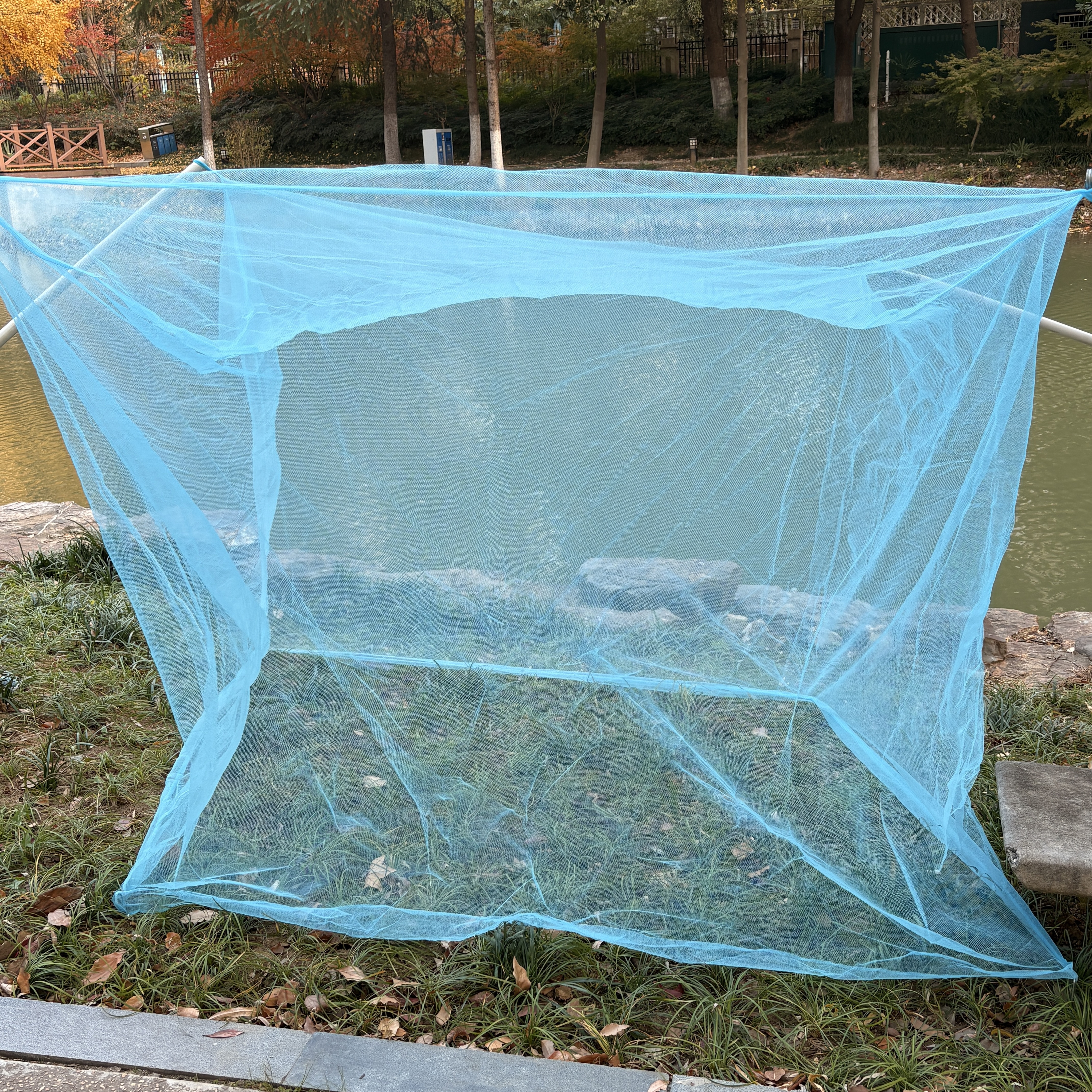
Malaria remains one of the most pressing public health challenges facing developing nations, claiming hundreds of thousands of lives annually and affecting millions more. Among the most effective interventions available, LLINs have emerged as a cornerstone of malaria control programs worldwide. Understanding what LLINs are and recognizing their critical importance can help communities and health organizations make informed decisions about disease prevention strategies. LLINs represent a proven, cost-effective approach to reducing malaria transmission, particularly in sub-Saharan Africa and other endemic regions.
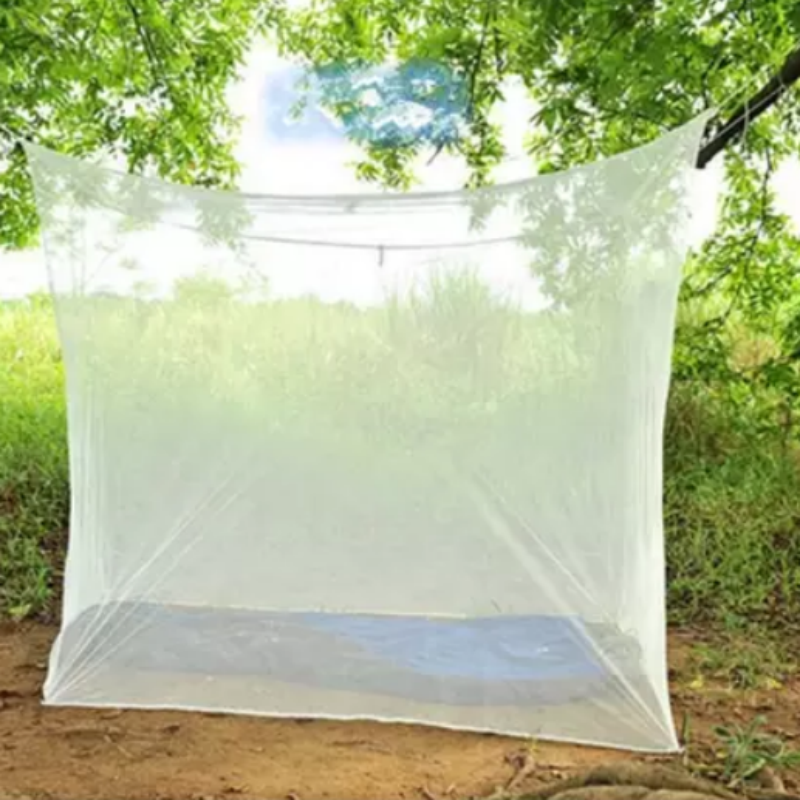
The effectiveness of LLINs in reducing malaria incidence has been documented through decades of epidemiological research and field implementation. When properly deployed and maintained, LLINs can reduce malaria cases by up to 90 percent in protected populations. This remarkable protective capacity stems from the combination of physical barriers and chemical insecticides integrated into the net fabric, creating a dual-action defense mechanism against malaria-transmitting mosquitoes.
Understanding LLINs and Their Core Function
What Are LLINs
LLINs are mosquito nets that have been treated with long-lasting insecticidal coatings designed to remain effective for multiple years. Unlike conventional bed nets that require periodic insecticide retreatment, LLINs are manufactured with insecticide woven directly into the net fibers or applied during production through processes that ensure durability. The insecticide component typically includes pyrethroids or other antimalarial agents that kill or repel Anopheles mosquitoes, the primary malaria vectors. A single LLIN can maintain its protective properties for three to five years under typical use and storage conditions, making them significantly more practical than nets requiring annual retreatment.
How LLINs Protect Against Malaria
The protective mechanism of LLINs operates through two complementary strategies. First, the physical mesh of the net creates a barrier that prevents mosquitoes from reaching sleeping individuals, particularly during nighttime hours when Anopheles mosquitoes are most active. Second, the insecticidal treatment on the net fibers provides chemical protection by killing mosquitoes that attempt to bite through the net or contact its surface. This dual protection means that LLINs remain effective even when the physical barrier is compromised by small holes or tears, a critical advantage in field conditions where nets frequently develop damage. The combination of these mechanisms ensures that LLINs provide robust protection even in challenging deployment environments.
Why LLINs Matter in Malaria Prevention Programs
Epidemiological Impact and Life-Saving Potential
The epidemiological importance of LLINs cannot be overstated. When deployed at scale in endemic regions, LLINs have demonstrated capacity to reduce malaria transmission intensity by interrupting the mosquito lifecycle at critical points. Widespread LLIN coverage creates community-level protection through mass effects, reducing the overall mosquito population and transmission potential across entire regions. Children under five and pregnant women, the most vulnerable populations in malaria-endemic areas, derive particular benefit from LLINs, with evidence showing that net coverage reduces childhood malaria mortality by 20 to 30 percent. LLINs have contributed substantially to the global reduction in malaria deaths observed over the past two decades, making them among the highest-impact public health interventions available.
Cost-Effectiveness and Resource Efficiency
From a public health economics perspective, LLINs represent exceptional value. The cost per LLIN typically ranges from five to fifteen dollars, while the cost of treating a malaria case, including hospitalization, medication, and lost productivity, often exceeds fifty dollars. With each LLIN protecting multiple individuals over several years, the cost-benefit ratio strongly favors prevention through net distribution. LLINs require minimal infrastructure for deployment compared to other malaria interventions, making them particularly suitable for resource-limited settings. This efficiency has made LLINs a prioritized intervention in World Health Organization malaria control strategies and in the allocation decisions of major global health funding mechanisms.
Implementation Challenges and Effective Deployment of LLINs
Ensuring Consistent Coverage and Usage
Despite the proven benefits of LLINs, achieving and maintaining high coverage rates presents substantial implementation challenges. Distribution of LLINs must reach remote populations who may have limited access to health facilities or community distribution points. Behavioral factors also influence LLIN effectiveness, as nets must actually be used nightly to provide protection, and inappropriate storage or washing can compromise insecticidal efficacy. Successful LLIN programs combine mass distribution campaigns with targeted supplementary distribution to underserved populations and continuous public messaging emphasizing the importance of consistent use. Research shows that LLIN ownership does not automatically translate to use, requiring community engagement strategies that build awareness about malaria transmission and the critical role of LLINs in prevention.
Addressing Insecticide Resistance and Innovation
Emerging insecticide resistance in malaria vectors represents a growing concern for the long-term effectiveness of LLINs as malaria control tools. Populations of Anopheles mosquitoes in certain regions have developed resistance to pyrethroids, the most common insecticide class used in LLINs. In response to this challenge, manufacturers have developed next-generation LLINs incorporating alternative insecticide combinations and novel compounds that maintain efficacy against resistant mosquito populations. These innovative LLINs, often described as combination LLINs or dual-ingredient LLINs, represent important advances in ensuring that LLINs continue to provide protection as resistance pressures evolve. Investment in ongoing research and product development ensures that LLINs remain a viable cornerstone of malaria prevention strategies into the future.
FAQ
How long do LLINs actually remain protective?
LLINs maintain their insecticidal properties for approximately three to five years under normal use conditions, though this duration can vary based on washing frequency, exposure to sunlight, and local environmental conditions. The physical integrity of LLINs may extend beyond five years, but the chemical efficacy diminishes over time, necessitating periodic replacement programs. Health programs typically plan for net replacement cycles of three to four years to ensure consistent community protection.
Can LLINs be washed without losing effectiveness?
Yes, LLINs are designed to withstand washing while maintaining insecticidal properties. Manufacturers test LLINs to remain effective through multiple washing cycles, typically maintaining efficacy through twenty or more standard washes. However, excessive washing with hot water, harsh detergents, or bleach can accelerate insecticide degradation, so careful washing practices are recommended to maximize net lifespan.
Are LLINs safe for pregnant women and infants?
LLINs have been extensively evaluated for safety and are considered safe for use by all population groups, including pregnant women and infants. The insecticides used in LLINs are applied at concentrations specifically chosen to be toxic to insects while posing negligible risk to humans, even with direct contact. Major health organizations, including the WHO and CDC, actively recommend LLINs for pregnant women and young children in malaria-endemic areas due to their proven benefits and established safety profiles.