 EN

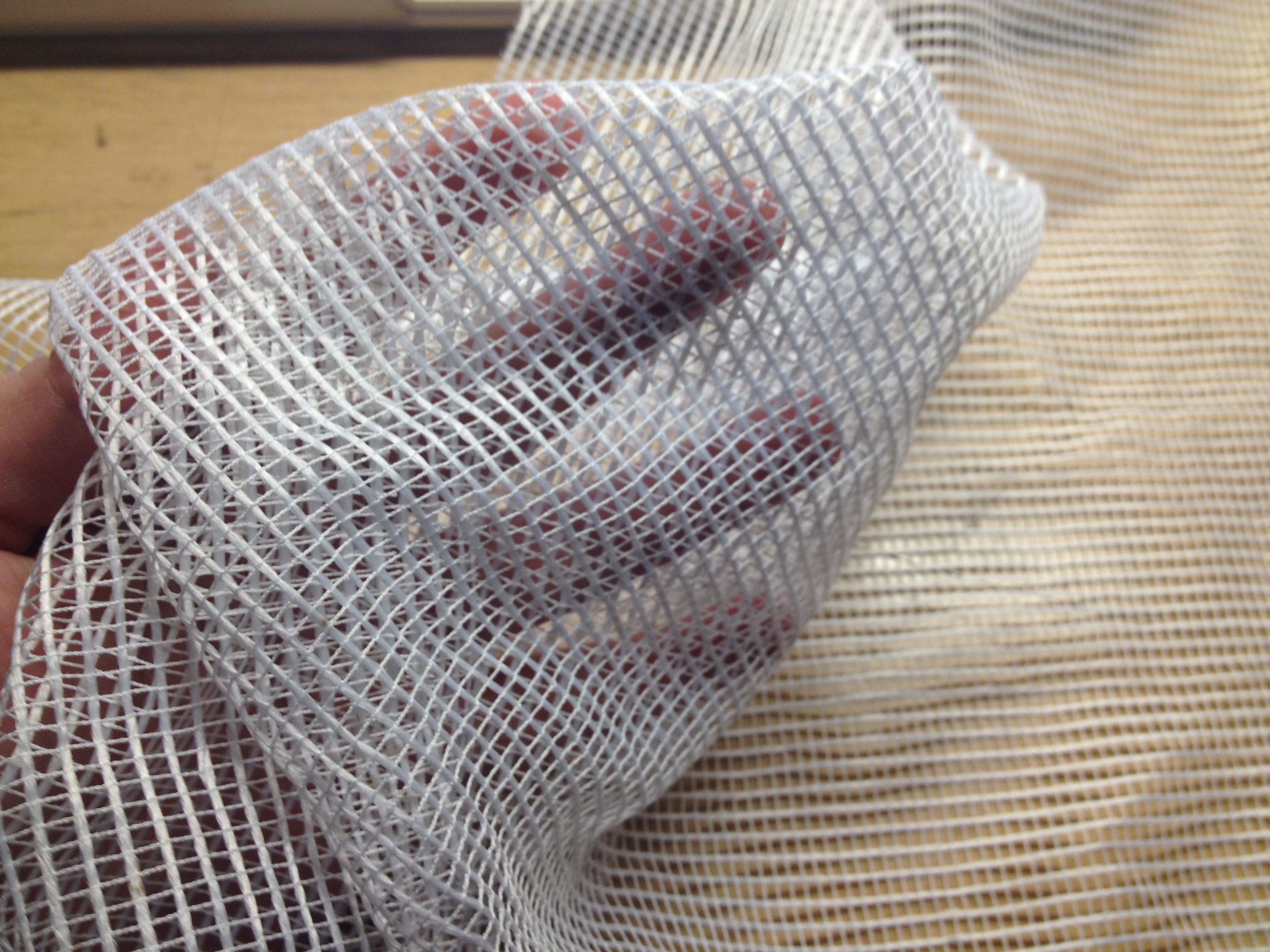
Mesh density stands as one of the most critical factors determining how well polyester mesh fabric performs in real-world applications. Whether you are selecting material for insect barriers, filtration systems, or protective screens, the density of your polyester mesh fabric directly influences its effectiveness, durability, and lifespan. Understanding this relationship allows engineers, manufacturers, and procurement specialists to make informed decisions that balance protection, airflow, visibility, and cost efficiency.
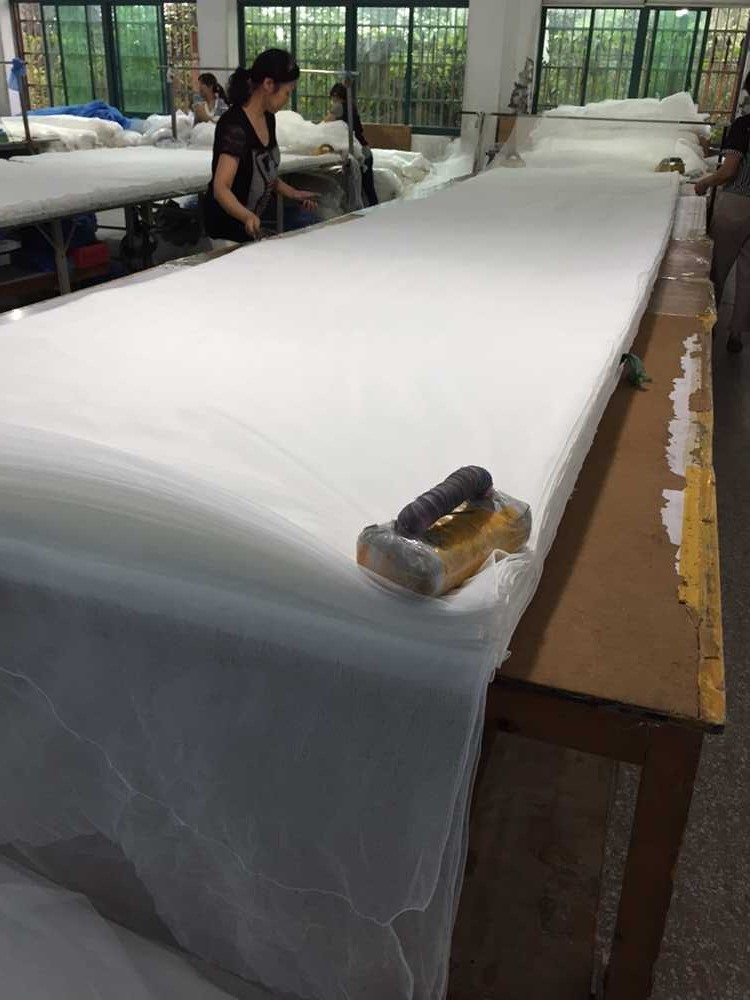
The term mesh density refers to the number of openings or threads per unit area in polyester mesh fabric. Higher density means more threads packed into the same space, creating smaller pores and tighter weaves. This fundamental property shapes every aspect of how your polyester mesh fabric behaves under stress, exposure, and operational demands. Selecting the right mesh density is not a one-size-fits-all decision but rather depends on your specific filtration, protection, or containment requirements.
Understanding Mesh Density and Polyester Mesh Fabric Structure
What Mesh Density Actually Means
Mesh density in polyester mesh fabric is typically measured in threads per inch (TPI) or openings per linear inch. A polyester mesh fabric with 100 TPI contains 100 threads along each inch of the material, creating a significantly tighter weave than a 50 TPI polyester mesh fabric. The pore size—the actual opening between threads—decreases as density increases, which is why density directly impacts what particles, insects, or light the polyester mesh fabric will block or allow through.
The construction of polyester mesh fabric involves interlocking warp and weft threads in a systematic pattern. When manufacturers increase the density of polyester mesh fabric, they either use finer threads, pack threads more closely, or both. This increase in density creates a barrier that is stronger per unit area but also affects permeability. Understanding how your specific polyester mesh fabric achieves its stated density helps you predict its real-world performance characteristics and compatibility with your application environment.
How Density Affects Pore Size
The relationship between polyester mesh fabric density and pore size is inverse but not always perfectly linear. A polyester mesh fabric with high density will have smaller pores, which means it can trap finer particles and block smaller organisms. Conversely, a polyester mesh fabric with lower density will have larger pores, permitting greater airflow and visibility while offering less filtration capability. The exact pore size also depends on thread diameter, so two polyester mesh fabric samples with identical thread counts may have different effective pore sizes if their threads are different thicknesses.
Selecting the appropriate pore size for your polyester mesh fabric application requires balancing multiple factors. If your polyester mesh fabric needs to block mosquitoes, you typically want a density that creates pores smaller than the smallest insect you wish to exclude. If your polyester mesh fabric is used for ventilation or aesthetic screening, you may prefer lower density to maximize airflow. The density of polyester mesh fabric must match both your filtration requirements and your operational expectations.
Performance Impact of Mesh Density in Polyester Mesh Fabric Applications
Filtration Efficiency and Particle Blocking
Higher density polyester mesh fabric delivers superior particle blocking and filtration performance. Industrial applications like air handling systems, dust collectors, and water filtration often rely on polyester mesh fabric with higher density to remove fine contaminants. The relationship is clear: as you increase the density of polyester mesh fabric, you reduce the minimum particle size that passes through. This makes high-density polyester mesh fabric ideal for precision filtration environments where contamination must be minimized.
However, increased filtration comes with trade-offs that users of polyester mesh fabric must acknowledge. Higher density polyester mesh fabric creates greater resistance to flow, which means pumps, fans, or natural ventilation must work harder to move air or liquid through the material. For applications where the polyester mesh fabric must balance filtration with flow rate, engineers often select medium-to-high densities rather than maximum density. The performance of polyester mesh fabric in these scenarios depends on careful calculation of pressure drop versus filtration needs.
Durability and Tear Resistance
Mesh density significantly influences the mechanical durability of polyester mesh fabric. Higher density polyester mesh fabric typically exhibits greater tear resistance because the threads are more closely woven and share loads more efficiently when stress is applied. If your polyester mesh fabric will encounter abrasion, wind loading, or mechanical handling, denser materials generally maintain integrity longer. This is why outdoor applications often demand higher-density polyester mesh fabric than indoor uses where environmental stresses are minimal.
The tensile strength of polyester mesh fabric increases with density up to a practical limit, after which thread diameter and weave pattern become more important factors than density alone. A poorly constructed high-density polyester mesh fabric might tear more easily than a well-engineered medium-density polyester mesh fabric. The quality of polyester mesh fabric construction—including thread material, weave tightness, and edge finishing—interacts with density to determine actual durability performance in field conditions.
Airflow and Visibility Characteristics
Lower density polyester mesh fabric maximizes airflow and visibility, making it suitable for insect screens, outdoor enclosures, and decorative applications where blockage must be minimized. A polyester mesh fabric used in mosquito nets or window screens typically employs moderate-to-low density to maintain comfortable airflow while still excluding insects. The optical properties of polyester mesh fabric also improve with lower density because larger pores create fewer visual obstructions.
When selecting polyester mesh fabric for applications where airflow matters, consider that density and permeability follow a predictable relationship. A 30-mesh polyester mesh fabric will permit nearly twice the airflow of 60-mesh polyester mesh fabric under identical pressure conditions. Your choice of polyester mesh fabric density should reflect the intended balance between blockage efficiency and environmental exchange. High-density polyester mesh fabric in the wrong application wastes materials and increases costs without providing additional value.
Selecting Optimal Mesh Density for Your Polyester Mesh Fabric Needs
Application-Specific Density Guidelines
Different applications demand different optimal densities in polyester mesh fabric. Insect exclusion, such as in mosquito nets or window screens, typically uses 20 to 30 mesh polyester mesh fabric to block insects while maintaining reasonable airflow. Industrial filtration applications may employ 100 to 300 mesh polyester mesh fabric to capture fine particles and contaminants. Water filtration systems often use 40 to 100 mesh polyester mesh fabric depending on the target particle size. Your specific polyester mesh fabric density selection should be driven by what you need the material to accomplish, not by maximum available density.
Consulting application specifications and industry standards helps guide polyester mesh fabric density selection. The International Organization for Standardization and various industry bodies publish guidelines for appropriate mesh density ranges for common applications. Your polyester mesh fabric supplier can provide technical data sheets showing how different densities perform in your specific use case. Testing polyester mesh fabric samples at your intended operating conditions provides the most accurate information for making confident purchasing decisions.
Cost-Performance Optimization
Polyester mesh fabric cost increases with density, as denser materials require more thread per unit area and more precise manufacturing. Selecting unnecessarily high-density polyester mesh fabric drives up material costs without improving performance in applications that do not require maximum filtration. Conversely, choosing polyester mesh fabric with insufficient density forces replacement cycles, equipment failures, or operational inefficiencies that cost far more than the material savings. The optimal polyester mesh fabric density represents the minimum density required to meet your performance requirements at acceptable cost.
Many industrial buyers employ a tiered approach when evaluating polyester mesh fabric density options. Begin with the minimum density that meets your technical requirements, then test performance over an operational cycle. If the polyester mesh fabric performs reliably, you have identified optimal density. If failures occur or filtration becomes inadequate, step up to the next density level. This empirical method often reveals that slightly lower density than theoretical maximums provides excellent real-world performance at lower cost.
FAQ
Does higher mesh density always mean better polyester mesh fabric performance?
Not necessarily. While higher density polyester mesh fabric provides superior filtration and particle blocking, it also increases cost, reduces airflow, and may create excessive pressure drop in applications where flow rate matters. The best polyester mesh fabric density is the one that meets your specific performance requirements—higher density than necessary wastes resources without providing additional value in your application.
How do I determine the right mesh density for my polyester mesh fabric application?
Start by identifying what your polyester mesh fabric must accomplish: block particles of a certain size, maintain specific airflow, provide mechanical protection, or filter specific contaminants. Review industry standards and technical guides for your application type, consult with your polyester mesh fabric supplier about typical density ranges, and ideally test samples at your operating conditions. This combination of research and practical testing reveals the optimal polyester mesh fabric density for your needs.
Can mesh density affect the lifespan of polyester mesh fabric?
Yes, mesh density impacts polyester mesh fabric lifespan in multiple ways. Higher density polyester mesh fabric resists tearing and mechanical damage better, extending service life in harsh environments. However, higher density polyester mesh fabric may clog faster if used for filtration, requiring more frequent cleaning or replacement. Lower density polyester mesh fabric may degrade faster under UV exposure or mechanical stress. The actual lifespan of your polyester mesh fabric depends on density, material quality, operating conditions, and maintenance practices working together.