 EN

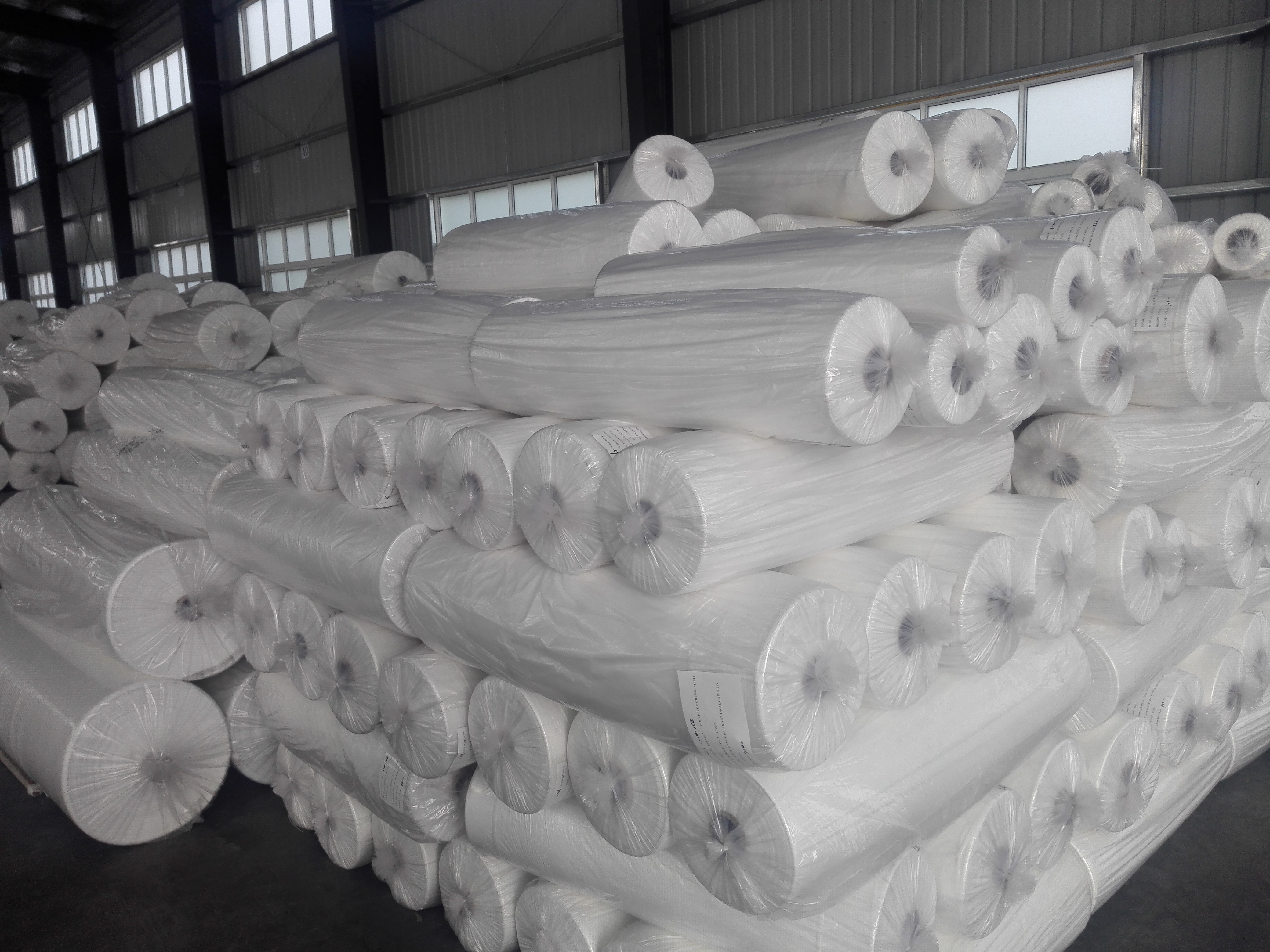
Polyester mesh fabric has become an indispensable material across numerous industries, driving innovation and solving critical operational challenges. From agriculture to healthcare, this versatile material serves essential functions that enhance productivity, safety, and quality outcomes. Understanding where and how polyester mesh fabric is deployed reveals its profound impact on modern industrial practices and consumer protection.
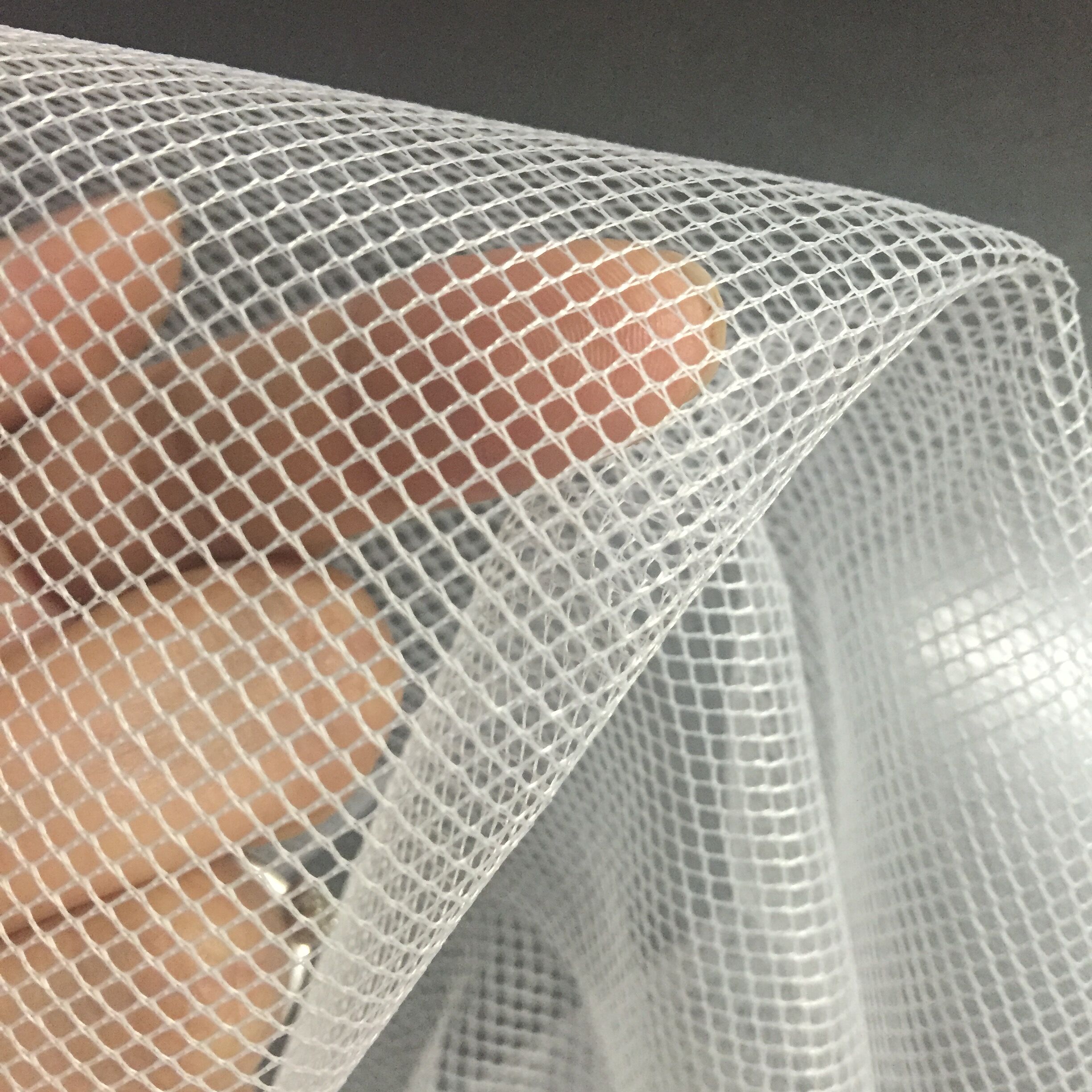
The adoption of polyester mesh fabric spans far beyond a single market segment. Today, manufacturers, healthcare providers, agricultural operations, and filtration specialists rely on this material to meet stringent performance requirements. The durability, cost-effectiveness, and adaptability of polyester mesh fabric make it the preferred choice for applications demanding precision, reliability, and long-term value.
Agriculture and Food Processing Sectors
Crop Protection and Insect Management
The agricultural industry extensively utilizes polyester mesh fabric for crop protection and pest prevention. Farmers deploy this material as protective netting to shield crops from insects, birds, and harsh weather conditions. Polyester mesh fabric provides a physical barrier that allows sunlight and water penetration while blocking harmful pests. This non-chemical approach reduces pesticide dependency, lowering production costs and environmental impact. The fine weave structure of polyester mesh fabric ensures that only desired airflow and nutrients reach protected crops while maintaining structural integrity over entire growing seasons.
Food Sorting and Processing Applications
Food processing facilities depend on polyester mesh fabric for sorting, screening, and quality control operations. The material's food-grade variants meet regulatory standards for direct contact with consumables. Polyester mesh fabric handles continuous mechanical stress in conveyor systems while maintaining hygienic conditions. Its open weave design allows precise particle separation, ensuring only products meeting size and quality specifications advance through production lines. The chemical resistance of polyester mesh fabric prevents contamination and extends equipment lifespan in demanding food processing environments.
Healthcare and Medical Device Manufacturing
Sterilization and Contamination Control
Healthcare facilities and medical manufacturers rely heavily on polyester mesh fabric for sterile barrier systems and contamination prevention. The material's micron-level filtration capabilities make it essential in surgical environments and pharmaceutical manufacturing spaces. Polyester mesh fabric serves in gowns, drapes, and room partitions where maintaining sterile fields is non-negotiable. Its breathability ensures comfort for extended wear while the tight weave blocks airborne pathogens and particles. The chemical stability of polyester mesh fabric allows compatibility with sterilization protocols including autoclaving and chemical treatments without degradation.
Wound Care and Medical Textiles
Medical device manufacturers incorporate polyester mesh fabric into wound dressings, surgical meshes, and tissue scaffolds. The biocompatibility of quality polyester mesh fabric supports healing processes without adverse reactions. Its open structure promotes fluid management and cell integration in advanced medical applications. Manufacturers can engineer specific pore sizes and densities in polyester mesh fabric to meet precise clinical requirements. This precision manufacturing capability has made polyester mesh fabric foundational to regenerative medicine and minimally invasive surgical techniques.
Filtration and Environmental Protection Industries
Water Filtration and Purification Systems
Water treatment facilities worldwide depend on polyester mesh fabric as a primary filtration medium. Industrial water purification systems employ polyester mesh fabric to remove suspended solids, sediment, and contaminants before advanced treatment stages. The material's chemical resistance ensures stability across pH ranges and exposure to treated water compositions. Polyester mesh fabric's durability under continuous flow conditions reduces maintenance intervals and operational downtime. Municipal water systems and industrial facilities standardize polyester mesh fabric specifications to ensure consistent output quality and regulatory compliance.
Air Filtration and HVAC Applications
Commercial and industrial HVAC systems integrate polyester mesh fabric into multi-stage filtration solutions. The material captures airborne particles, allergens, and pollutants while maintaining adequate airflow for system efficiency. Office buildings, hospitals, and manufacturing facilities specify polyester mesh fabric in pre-filters and primary filtration stages. Its low pressure drop characteristic reduces energy consumption compared to alternative materials. The consistent fiber uniformity across polyester mesh fabric ensures predictable filtration performance and simplified maintenance scheduling.
Protective Equipment and Safety Industries
Personal Protective Equipment Manufacturing
Manufacturers of protective equipment increasingly specify polyester mesh fabric for safety clothing, helmets, and barrier systems. The material's inherent flame resistance in premium grades provides additional safety margins in industrial environments. Polyester mesh fabric maintains structural integrity during impact while protecting against flying debris and chemical splashes. Workers in manufacturing plants, construction sites, and hazardous material facilities benefit from the consistent protection that engineered polyester mesh fabric provides. The lightweight nature of polyester mesh fabric allows extended wear without fatigue while maintaining visibility and mobility.
Insect Exclusion and Vector Control
Residential and commercial sectors employ polyester mesh fabric for mosquito nets, window screens, and insect barriers. This application protects populations from disease-carrying vectors while maintaining ambient air circulation and natural ventilation. Polyester mesh fabric screens remain effective across tropical, temperate, and subtropical climates without brittleness or degradation. Household use of polyester mesh fabric products has expanded globally as awareness of insect-borne diseases grows. The combination of durability, affordability, and efficacy makes polyester mesh fabric the material of choice for comprehensive insect exclusion solutions.
Textile and Apparel Industry Applications
Composite Material Integration
The textile and apparel industries incorporate polyester mesh fabric as reinforcement in technical fabrics and composite structures. Performance clothing manufacturers layer polyester mesh fabric with other materials to create moisture-wicking and breathable garments. The material's structural strength prevents delamination in multi-layer technical wear. Athletic brands use polyester mesh fabric in ventilation panels of high-performance footwear and activewear. This integration of polyester mesh fabric has revolutionized comfort and functionality across professional and recreational athletic markets.
Shade and Sun Protection Textiles
Construction sites, outdoor events, and landscape applications utilize polyester mesh fabric shade cloths for sun protection and temperature control. The engineered openness of polyester mesh fabric allows calibrated light transmission while reducing heat buildup. Outdoor furniture manufacturers specify polyester mesh fabric for durability and UV resistance. Horticultural applications benefit from polyester mesh fabric's ability to filter harmful radiation while maintaining plant growth conditions. Premium polyester mesh fabric shade solutions have become standard in commercial landscaping and temporary infrastructure projects.
Automotive and Manufacturing Sectors
Filtration and Component Assembly
Automotive manufacturing relies on polyester mesh fabric in engine air filters, cabin air systems, and component assembly processes. The material's consistency ensures uniform filtration across vehicle production lines. Polyester mesh fabric components withstand temperature fluctuations and exposure to automotive fluids without degradation. Suppliers specify polyester mesh fabric to meet automotive industry standards for air quality and system longevity. This standardization across manufacturers has made polyester mesh fabric integral to vehicle performance and reliability engineering.
Environmental Containment Systems
Manufacturing facilities deploy polyester mesh fabric in containment systems for dust control, emission reduction, and environmental compliance. The material's strength supports containment structures while its fine weave captures particles and contaminants. Industrial operations in cement, chemical, and pharmaceutical sectors depend on polyester mesh fabric to meet environmental regulations. The cost-effectiveness of polyester mesh fabric solutions compared to alternative containment methods has accelerated adoption across heavy manufacturing.
FAQ
What properties make polyester mesh fabric suitable for multiple industries?
Polyester mesh fabric combines chemical resistance, durability, dimensional stability, and cost-effectiveness that address requirements across diverse sectors. The material resists UV degradation, maintains structural integrity under mechanical stress, and remains stable across temperature ranges. Its customizable pore sizes and fiber densities allow engineering to specific application requirements. These properties, combined with regulatory compliance capabilities, enable polyester mesh fabric to serve healthcare, agriculture, filtration, and protective equipment industries simultaneously.
How does polyester mesh fabric perform in harsh environmental conditions?
Quality polyester mesh fabric demonstrates exceptional performance in harsh environmental conditions including high humidity, temperature extremes, and chemical exposure. The polyester polymer resists moisture absorption, preventing degradation in wet climates. UV-stabilized polyester mesh fabric maintains strength and appearance through extended outdoor exposure. Chemical inertness ensures that polyester mesh fabric remains unaffected by industrial fluids, agricultural treatments, and water treatment compounds. These environmental resilience characteristics make polyester mesh fabric suitable for long-term deployment across global climates.
Can polyester mesh fabric be customized for specific industry applications?
Manufacturers routinely customize polyester mesh fabric specifications including pore size, thread diameter, weave pattern, and surface treatments to match precise application requirements. Medical-grade polyester mesh fabric undergoes biocompatibility testing and sterilization validation. Food-contact polyester mesh fabric meets regulatory standards and migration limits. Agricultural polyester mesh fabric is engineered for pest exclusion while maximizing light transmission. This customization capability makes polyester mesh fabric adaptable across industries while maintaining performance standards and regulatory compliance.