 EN

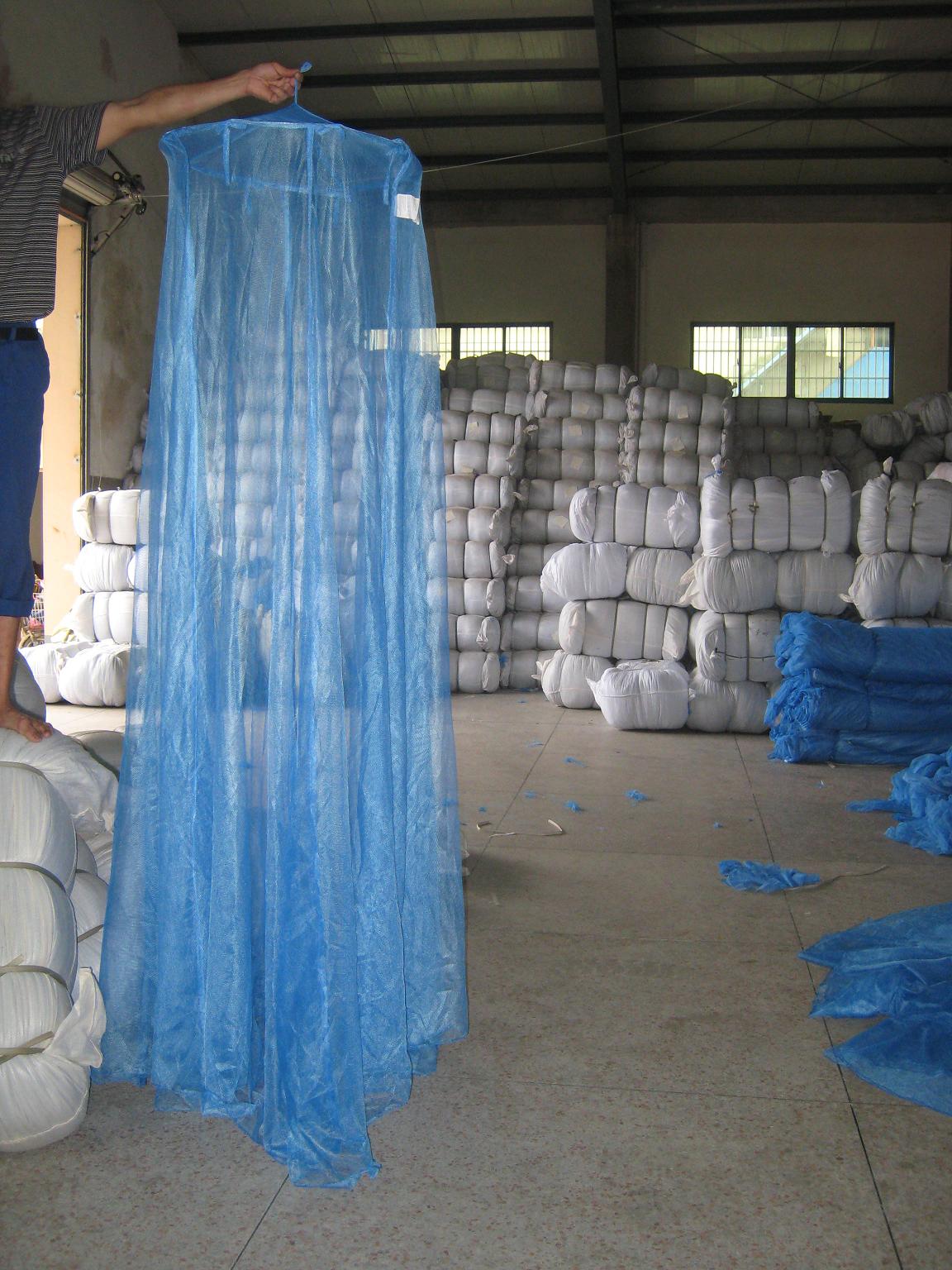
Long-lasting insecticidal nets, commonly known as llins, represent one of the most effective public health interventions for malaria prevention across Africa and other endemic regions. Understanding how llins are manufactured and what quality requirements govern their production is essential for healthcare organizations, procurement professionals, and malaria control programs seeking to deploy reliable protective solutions. The manufacturing process for llins involves sophisticated textile technology combined with rigorous chemical treatment protocols that ensure these nets maintain their insecticidal properties for extended periods, typically three to five years under field conditions.
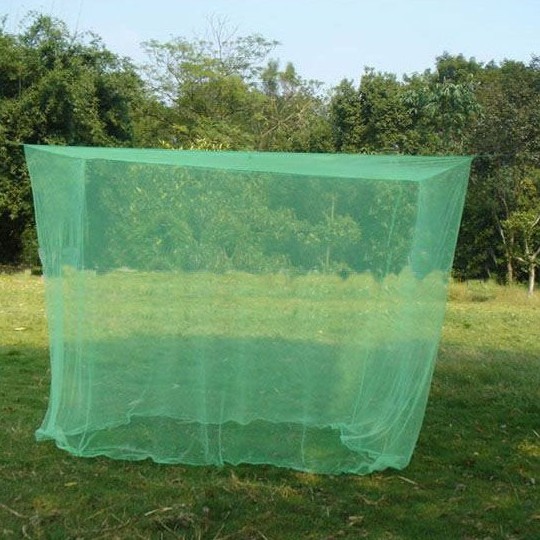
The production of llins requires adherence to international standards established by the World Health Organization and regulatory bodies to guarantee that nets meet minimum effectiveness thresholds. Each batch of llins undergoes extensive testing before distribution to verify insecticidal retention, fabric integrity, and chemical stability. This commitment to quality assurance protects vulnerable populations who depend on these nets for malaria protection and ensures that public health investments deliver measurable disease reduction outcomes.
Understanding the LLIN Manufacturing Foundation
Raw Materials and Textile Selection for LLINs
The foundation of quality llins manufacturing begins with selecting appropriate base materials, typically polyester or polyethylene fibers that offer durability and compatibility with insecticidal treatments. Manufacturers source textile base materials from suppliers who can guarantee consistent denier counts, weave patterns, and material purity. The choice between monofilament and multifilament yarns directly impacts the handling characteristics of llins and their user acceptance in field settings. Polyester-based llins tend to offer superior durability and washing resilience compared to other fiber types, making them preferred in humid tropical environments where frequent laundering occurs.
Initial Weaving and Mesh Construction
Weaving llins involves creating a mesh structure with specific hole sizes, typically measured in millimeters, that balances air circulation with mosquito exclusion. The mesh aperture in llins must be precise enough to prevent female mosquitoes from accessing sleeping occupants while remaining open enough to allow adequate ventilation. Modern loom technology enables manufacturers to produce llins with consistent mesh uniformity across entire production runs, which is critical for regulatory compliance. The tensile strength requirements for llins fabric establish minimum breaking loads that ensure the nets withstand normal handling, installation, and extended use without developing large tears.
Chemical Treatment and Insecticide Application
Insecticide Selection and Formulation for LLINs
Llins are treated with insecticidal compounds approved by the World Health Organization, including pyrethroids such as deltamethrin and permethrin, or newer active ingredients like pyrethroids combined with synergists. The selection of specific insecticides for llins depends on local mosquito resistance patterns, regulatory approval status, and performance durability requirements. Manufacturers maintain strict formulations to ensure that each square meter of llins fabric receives precise insecticide loading, typically measured in grams of active ingredient per kilogram of fabric. Quality control laboratories test chemical composition throughout the manufacturing process to verify that insecticide concentrations meet specification ranges established by international standards.
Treatment Application Methods and Drying Procedures
The application of insecticide to llins fabric occurs through several established methods, including exhaustion dyeing processes, pad application, or foam treatment, each selected to optimize insecticide retention and durability. Following insecticide application, llins undergo controlled drying in specialized chambers where temperature, humidity, and air circulation are monitored to prevent uneven drying that could compromise chemical distribution. Curing processes for treated llins typically require 24 to 72 hours depending on the specific formulation and environmental conditions, during which the insecticide bonds with the fabric matrix. These drying and curing procedures directly impact the washfastness of llins, determining how effectively the insecticide remains bound to fibers after multiple rounds of laundering by field users.
Quality Assurance and International Standards for LLINs
Testing Protocols and Performance Verification
Comprehensive testing regimens for llins ensure that finished products meet WHO prequalification criteria and regional regulatory requirements before distribution to malaria control programs. Standard testing procedures for llins include cone bioassays, which measure insecticidal efficacy by exposing susceptible mosquitoes to treated net samples and recording knockdown and mortality rates. Wash durability tests simulate field conditions where llins undergo multiple laundry cycles, with bioassays conducted at intervals to track how insecticidal performance changes over time. Physical property testing of llins evaluates fabric tensile strength, seam strength, tear resistance, and mesh hole size to confirm that nets maintain structural integrity throughout their intended service life.
Batch Certification and Traceability Systems
Manufacturers of llins implement comprehensive batch tracking systems that enable full traceability from raw material receipt through finished product shipment to end-use facilities. Each production batch of llins receives unique identification codes linked to detailed manufacturing records including material lot numbers, treatment dates, chemical concentrations, and quality test results. Certification documentation for llins accompanies commercial shipments to regulatory agencies and procurement organizations, providing evidence that products have undergone required testing and meet established specifications. These traceability systems allow manufacturers and public health authorities to quickly respond to any suspected quality issues affecting llins by identifying affected batches and implementing targeted corrective actions.
Manufacturing Process Integration and Production Efficiency
Workflow Optimization in LLIN Production Facilities
Modern llins manufacturing facilities integrate textile production, chemical treatment, quality testing, and packaging operations into coordinated production workflows that maximize efficiency while maintaining rigorous quality standards. Production scheduling for llins accounts for drying and curing times, testing procedures, and regulatory inspection requirements to optimize throughput without compromising product integrity. Facility design for llins manufacturing incorporates specialized ventilation systems to safely manage insecticide vapors, controlled environment chambers for treatment and drying stages, and dedicated laboratories for routine quality testing. Supply chain coordination ensures that fabric material arrivals synchronize with chemical treatment schedules, reducing inventory holding costs while maintaining consistent llins output.
Worker Safety and Environmental Compliance
Manufacturing llins requires comprehensive occupational safety programs protecting workers from potential insecticide exposure during treatment, drying, and packaging stages. Facilities producing llins must implement engineering controls including closed-system treatment equipment, local exhaust ventilation, and personal protective equipment protocols aligned with chemical safety data sheets. Environmental compliance for llins manufacturing involves proper handling and disposal of treatment waste streams, wastewater treatment systems that prevent insecticide release into local water sources, and emission monitoring to ensure airborne chemical concentrations remain within regulatory limits. Training programs for llins manufacturing personnel emphasize chemical safety, quality procedures, and hazard recognition to maintain workplace safety standards.
FAQ
What makes llins different from standard bed nets?
Llins differ from standard untreated bed nets through their chemical treatment with approved insecticides that provide dual protection by physically excluding mosquitoes while also poisoning those that contact the treated fabric. Standard bed nets provide only physical barriers against mosquito entry, while llins combine exclusion with insecticidal efficacy that persists through multiple washing cycles. The insecticidal properties of llins are particularly valuable against pyrethroid-resistant mosquito populations, as some formulations incorporate synergists that restore pyrethroid effectiveness even in areas with documented resistance.
How long do llins maintain their insecticidal effectiveness?
Llins are designed to maintain insecticidal efficacy for 3 to 5 years under typical field use conditions, including regular washing and exposure to environmental factors such as sunlight and humidity. Clinical trials and field studies demonstrate that well-maintained llins continue providing protective efficacy against malaria-carrying mosquitoes throughout this period, though wash frequency and water hardness can influence the rate of insecticide loss. WHO prequalification testing of llins includes durability protocols that verify insecticidal retention after simulated laundry cycles equivalent to 20 washes over three years, providing evidence-based confidence in the product's protective lifespan.
What regulatory approvals must llins undergo before distribution?
Llins require WHO prequalification or equivalent regulatory approval from national authorities before distribution in malaria endemic regions, involving submission of comprehensive manufacturing documentation, chemistry and quality data, and bioassay results demonstrating insecticidal efficacy and durability. The approval process for llins includes review of manufacturing facilities, quality control procedures, and batch testing protocols to ensure consistent compliance with international specifications. Some countries maintain additional registration requirements for llins imported or distributed within their territories, requiring manufacturers to satisfy both WHO standards and local regulatory frameworks.