 EN

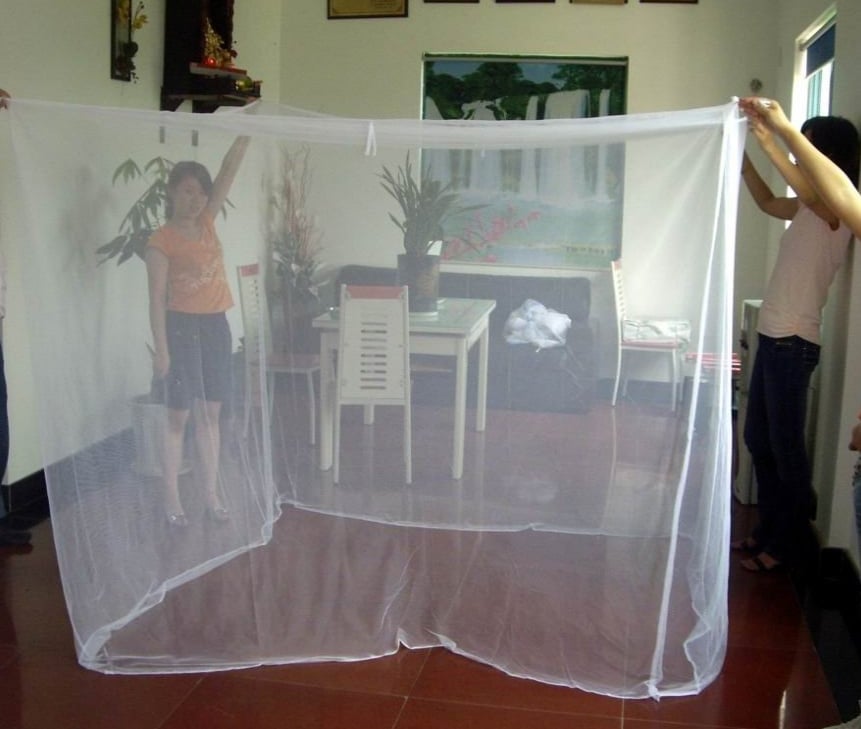
Understanding how to evaluate llins durability and treatment effectiveness is essential for procurement teams, health organizations, and malaria control programs. Long-lasting insecticidal nets, commonly known as llins, represent a critical intervention in malaria prevention strategies across endemic regions. However, not all llins perform equally, and selecting nets that maintain their protective properties over extended periods requires systematic evaluation. This guide outlines the key assessment methods and performance indicators that determine whether llins will deliver consistent malaria protection throughout their intended lifespan.
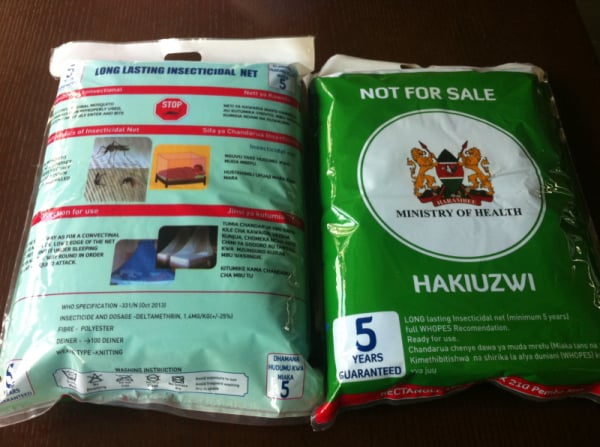
The evaluation of llins involves multiple testing dimensions that work together to predict real-world performance. Quality assurance for llins goes beyond initial laboratory testing and requires ongoing monitoring of chemical content, physical integrity, and biological efficacy. Organizations implementing malaria prevention programs must understand these evaluation frameworks to make informed purchasing decisions and ensure that distributed llins meet international standards.
Understanding Core Durability Metrics for LLIN Evaluation
Physical Integrity Assessment of LLIN Nets
Physical durability is the foundation of llins performance. The fabric must resist tears, abrasion, and deterioration from regular handling, washing, and use. Evaluating llins physical integrity involves measuring hole size distribution, fabric tensile strength, and seam integrity after simulated washing cycles. Standard testing protocols for llins subject nets to repeated wash cycles that replicate typical household use patterns. These llins durability tests typically include mechanical stress, moisture exposure, and thermal cycling to assess how the fabric maintains structural integrity under realistic conditions.
The size and frequency of holes in llins directly impact their ability to exclude mosquitoes and maintain protective barrier function. Assessment of llins involves cataloging holes larger than specific thresholds, as smaller perforations may not compromise mosquito exclusion. Seam strength testing for llins reveals whether stitching remains intact after repeated use and laundering, preventing edge unraveling that could expand hole sizes and reduce protective coverage of the llins.
Fabric Weight and Fiber Degradation Tracking
Long-term llins durability depends on how well polyester fibers resist UV exposure, moisture-induced hydrolysis, and chemical stress. Evaluating llins requires measuring fabric weight loss over time as an indicator of fiber degradation. Accelerated aging protocols for llins use environmental chambers to expose samples to elevated temperature and humidity conditions that simulate years of natural weathering. The evaluation of llins fabric weight retention at specified intervals provides early warning of premature material failure that could compromise long-term protection.
Fiber elongation tests for llins measure how much fabric stretch occurs before breaking, indicating fiber elasticity preservation. As llins age, polyester fibers become brittle and lose elasticity, making nets more prone to tearing during normal handling. Comprehensive llins evaluation protocols track these mechanical property changes to establish realistic product lifespan and predict when protective performance may decline below acceptable thresholds.
Chemical Retention and Active Ingredient Effectiveness in LLIN Products
Measuring Active Ingredient Content in LLIN Treatments
The insecticidal potency of llins depends on maintaining sufficient active ingredient concentration throughout the product lifespan. Evaluation of llins chemical content uses high-performance liquid chromatography to measure exact concentrations of pyrethroids or other active compounds applied to the fabric. Standard assessment protocols for llins establish baseline chemical levels immediately after manufacturing and track retention at predefined intervals. The evaluation framework for llins typically specifies minimum acceptable chemical content levels that nets must maintain to ensure continued mosquito mortality and deterrence.
Wash fastness testing is critical for evaluating llins because household laundering removes insecticidal compounds. Each washing cycle conducted during llins evaluation represents a stress event where active ingredients leach from fibers into wash water. Standardized protocols for assessing llins durability measure chemical retention after specific numbers of washes, typically at 5, 20, and 60 wash cycles. These llins retention benchmarks help predict how long treated nets will maintain lethal concentrations of active ingredients under typical use conditions in target regions.
Bioassay Testing to Confirm LLIN Mosquito Efficacy
Bioassay testing provides direct evidence of llins insecticidal effectiveness against target mosquito populations. This evaluation method uses susceptible mosquito strains and exposed them to net samples under controlled laboratory conditions, measuring knockdown rates and mortality percentages. Results from bioassay assessment of llins reveal whether chemical content is sufficient to kill mosquitoes upon contact and whether wash cycles have compromised biological activity. The evaluation of llins effectiveness through bioassay must use mosquito populations representative of field-encountered species to ensure field relevance.
Resistance testing is increasingly important for evaluating llins because mosquito populations in many endemic areas have developed pyrethroid resistance. Advanced llins evaluation protocols now include bioassay testing against both susceptible and pyrethroid-resistant mosquito strains to assess partial protective efficacy in challenging transmission zones. The evaluation of llins performance in resistance contexts helps organizations anticipate real-world limitations and plan complementary malaria prevention strategies where llins alone may provide incomplete protection.
Practical Assessment Standards and Field-Based LLIN Evaluation
International Quality Assurance Standards for Evaluating LLIN Performance
The evaluation of llins follows rigorous international guidelines established by organizations focused on malaria elimination. These standardized protocols for llins assessment ensure consistent quality regardless of manufacturer or geographic region. Compliance verification for llins includes documentation of chemical purity, polyester fiber specifications, and manufacturing process controls. Organizations procuring llins should verify that products have passed formal evaluation procedures and carry appropriate quality certifications from recognized testing laboratories.
Procurement teams selecting llins should request comprehensive evaluation reports documenting initial performance, accelerated aging test results, and chemical retention data. The evaluation documentation for llins provides transparency about product specifications and helps predict whether nets will deliver protection throughout their intended three to four-year lifespan. Third-party evaluation of llins by independent testing facilities offers assurance that manufacturer claims about durability and effectiveness are supported by empirical data.
Field Surveillance and Post-Distribution Monitoring of LLIN Nets
While laboratory evaluation of llins provides critical baseline data, field surveillance confirms whether nets maintain expected performance under real-world conditions. Post-distribution monitoring programs conduct periodic assessment of llins examining physical condition, chemical retention, and continued mosquito mortality through bioassay. This field-based evaluation of llins performance reveals unforeseen environmental factors, household handling practices, or storage conditions that might accelerate net degradation faster than laboratory predictions suggested.
Community surveys contribute valuable data to llins evaluation by documenting how often nets are washed, where they are stored, and whether users observe any visible damage or perceived reduced effectiveness. Integration of user feedback with technical evaluation of llins creates actionable intelligence for program managers. When field evaluation of llins reveals performance below expected standards, programs can adjust replacement schedules, improve net care messaging, or reformulate procurement specifications to select more durable alternatives.
FAQ
What specific tests determine if llins meet minimum durability requirements?
Minimum durability requirements for llins are established through standardized testing protocols including hole size assessment, fabric tensile strength measurement, and chemical retention analysis after specified wash cycles. The evaluation of llins typically requires nets to retain at least 80% of original fabric weight, maintain seam integrity, and preserve minimum chemical concentrations after 60 washing cycles. Additionally, llins must demonstrate continued mosquito mortality through bioassay testing even after accelerated aging exposure.
How often should chemical content be measured during LLIN evaluation?
The evaluation of llins chemical content typically follows a structured sampling schedule measuring active ingredient concentration at baseline, after 5 washes, after 20 washes, and after 60 washes to establish chemical retention curves. This systematic assessment of llins helps predict when nets will fall below minimum effective chemical concentrations in field conditions. Accelerated aging protocols for llins evaluation may also include temperature and humidity cycling to simulate years of natural weathering and measure additional chemical loss rates.
Can field surveillance data improve future LLIN product selection?
Yes, systematic field evaluation of llins performance provides invaluable feedback that directly informs future procurement decisions and product specifications. Data collected during post-distribution monitoring of llins reveals whether laboratory predictions accurately matched real-world durability and whether specific manufacturing characteristics affected performance. By incorporating evaluation findings from deployed llins into procurement criteria, organizations can select future net batches with greater confidence in field performance and optimize allocation of limited malaria prevention resources.