 EN

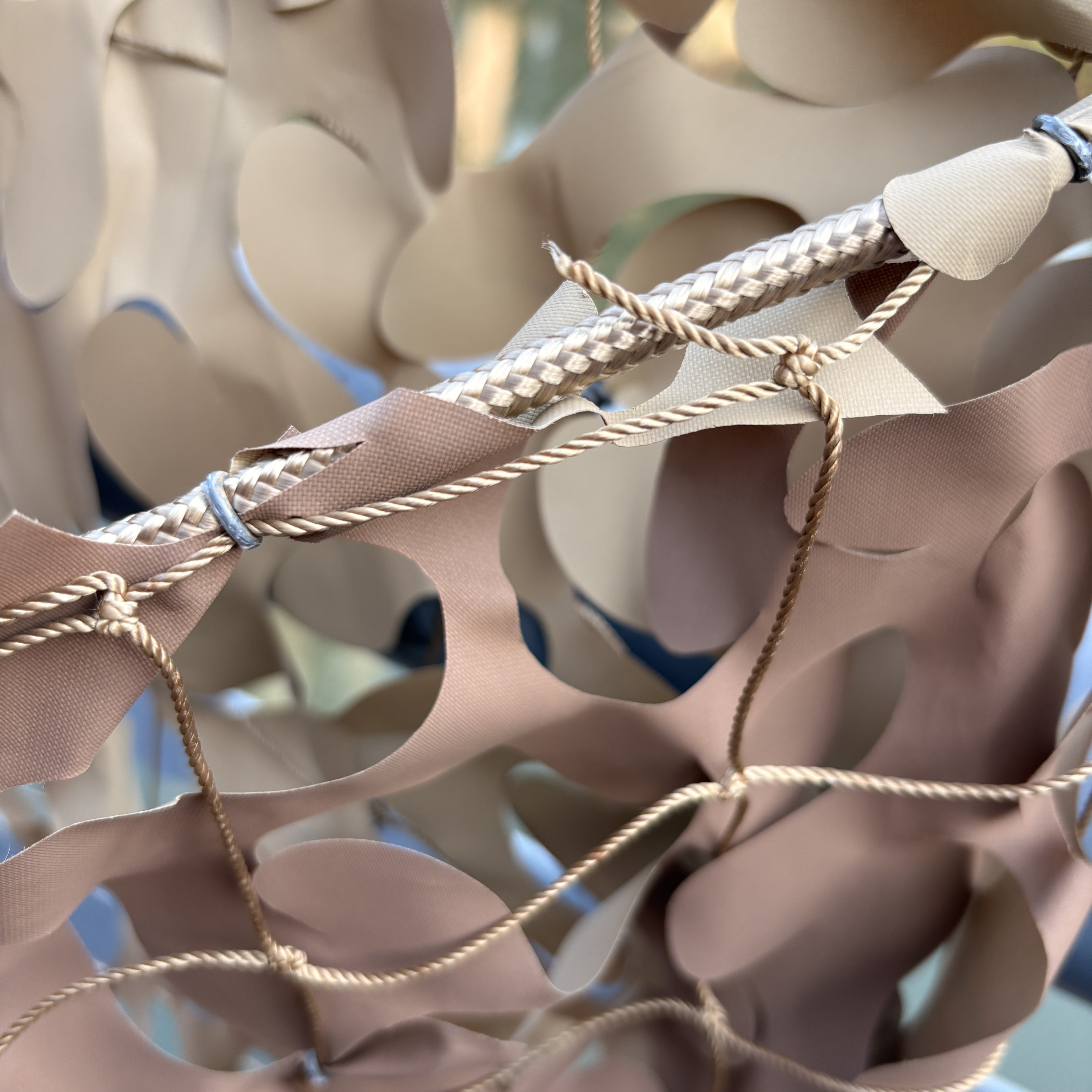
Outdoor spaces require smart solutions for temperature control and UV protection, and a camo shade sail combines functionality with aesthetic appeal. This innovative approach to outdoor shading has gained significant traction in residential, commercial, and industrial settings because it addresses two critical needs simultaneously: effective sun blocking and natural visual integration. A camo shade sail works by utilizing camouflage-patterned fabric stretched across a framework to create shaded zones while maintaining a natural appearance that blends with surrounding environments.
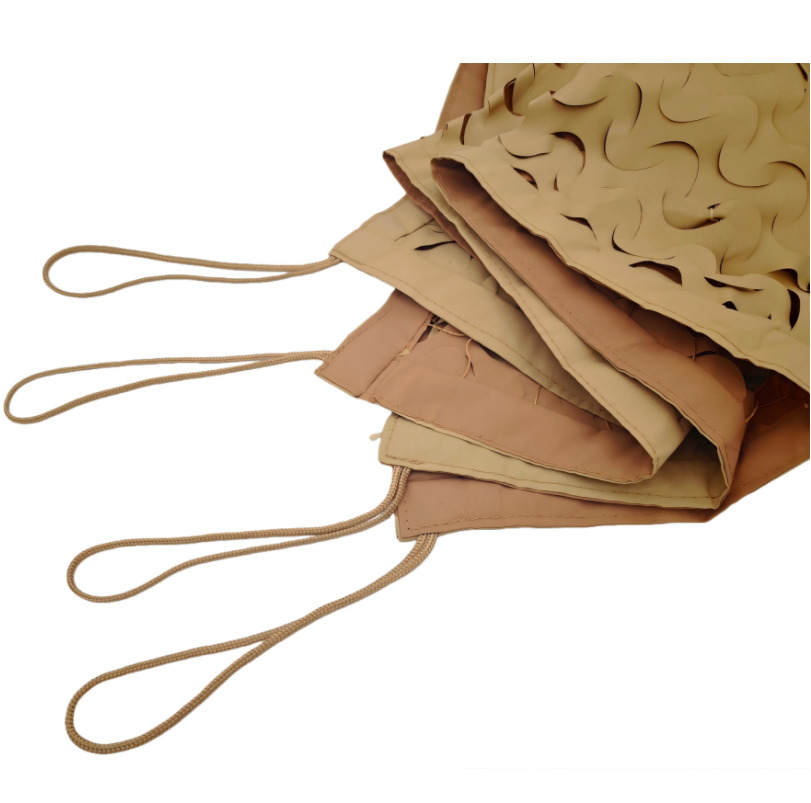
Unlike traditional shade structures that stand out visually, the camo shade sail design seamlessly integrates into landscaping while delivering robust sun protection. The underlying technology involves high-density woven fabric that blocks harmful ultraviolet radiation and reduces ambient temperature beneath the structure. Understanding how a camo shade sail achieves this balance between protection and aesthetics helps property owners make informed decisions about their outdoor shading investments.
How Camo Shade Sails Provide Superior Sun Protection
UV Blocking and Temperature Reduction
A camo shade sail employs specialized fabric weaves that block up to 85-95% of ultraviolet radiation, depending on material density and color. The camouflage pattern distributed across the surface does not reduce protection effectiveness; instead, it enhances the overall aesthetic value while maintaining structural integrity. Temperature reduction beneath a properly installed camo shade sail typically ranges from 5 to 15 degrees Fahrenheit compared to direct sunlight exposure. This cooling effect reduces reliance on air conditioning systems and creates comfortable outdoor environments for employees, customers, and residents during peak heat hours.
Durability and Weather Resistance
Premium camo shade sail materials are engineered to withstand harsh weather conditions, including intense sunlight, heavy rainfall, and strong winds. The fabric typically contains UV-stabilized polymers that resist fading and degradation over extended outdoor exposure. A quality camo shade sail maintains its protective properties and visual appearance for 5-10 years with minimal maintenance, making it a cost-effective solution compared to temporary or frequently replaced shade options. The camouflage pattern itself aids in hiding dust and minor stains, contributing to the perception of durability and reducing visible maintenance requirements.
Installation and Configuration of Camo Shade Sails
Mounting Options and Framework Requirements
Installing a camo shade sail requires structural anchoring points, typically four corners or strategic intervals along the perimeter. The framework can attach to existing structures such as walls, utility poles, or freestanding posts designed specifically for shade sail support. A camo shade sail achieves optimal tension through adjustable hardware that allows fine-tuning of fabric stretch and angle. Proper installation angles enable water drainage during rain events and improve air circulation beneath the structure, enhancing both safety and comfort. Professional installation of a camo shade sail ensures weight distribution calculations meet local building codes and wind load specifications for your geographic region.
Customization and Sizing Flexibility
The versatility of camo shade sail designs accommodates various outdoor spaces, from small residential patios to large commercial parking areas. Manufacturers offer custom sizing for a camo shade sail to fit irregular shapes and specific dimension requirements. Multiple camouflage color variations allow property owners to select patterns that coordinate with existing landscaping and architectural elements. A camo shade sail can be designed as a single large structure or composed of multiple overlapping sections to maximize coverage across complex outdoor layouts. This adaptability makes the camo shade sail suitable for diverse applications including recreational areas, outdoor workspaces, and aesthetic landscape enhancement.
Applications and Business Value of Camo Shade Sails
Commercial and Industrial Implementation
Businesses deploy camo shade sail systems in outdoor customer areas to enhance comfort and extend operating seasons. Restaurants, retail establishments, and recreational facilities benefit from improved patron experiences when a camo shade sail reduces heat stress and glare. Industrial facilities utilize camo shade sail structures to protect equipment and materials from UV degradation while maintaining safe working temperatures. The natural appearance of a camo shade sail improves property aesthetics compared to utilitarian shade structures, positively influencing customer perception and brand image. Return on investment for commercial camo shade sail installations often materializes through reduced energy costs and increased outdoor space utilization.
Residential and Recreational Use
Homeowners install camo shade sail systems over patios, decks, and pool areas to create comfortable outdoor living zones. The camouflage aesthetic of a camo shade sail integrates naturally with backyards and landscaping designs, avoiding the harsh appearance of conventional shade structures. Residential camo shade sail applications extend outdoor entertainment seasons by providing comfortable temperature zones during summer months. Property values may increase when outdoor spaces are enhanced with attractive and functional features like a camo shade sail. Families appreciate the combination of UV protection and aesthetic appeal that a camo shade sail delivers to their homes.
Maintenance and Long-Term Care of Camo Shade Sails
Cleaning and Inspection Protocols
Regular maintenance of your camo shade sail extends its operational lifespan and preserves protective capabilities. Gentle rinsing with mild soap and water removes dust and organic debris without damaging the specialized fabric. A camo shade sail should be inspected seasonally for signs of wear, including fraying edges, fabric tears, or hardware corrosion. Early detection and repair of damage to your camo shade sail prevents deterioration and maintains structural integrity during wind and weather events. The camouflage coloring of your camo shade sail may require occasional touch-up or professional cleaning to maintain visual appeal.
Hardware Maintenance and Seasonal Preparation
Fasteners, anchor points, and tensioning hardware supporting your camo shade sail require periodic inspection and lubrication. Corrosion-resistant materials are essential for camo shade sail components exposed to moisture and salt spray environments. Before severe weather seasons, verify that tension settings on your camo shade sail remain within manufacturer specifications and structural support remains sound. In extreme climates, temporary removal or increased monitoring of your camo shade sail during storm seasons protects the investment and maintains safety. Documentation of maintenance activities for your camo shade sail helps track performance and plan replacement timelines.
FAQ
How much sunlight does a camo shade sail actually block?
A premium camo shade sail blocks between 85-95% of ultraviolet radiation, depending on fabric density and weave pattern. The exact percentage varies based on material thickness and the specific camouflage design selected. Even the highest-quality camo shade sail allows some filtered light to pass through, which can be beneficial for maintaining natural illumination in shaded areas while still providing substantial sun protection.
Can a camo shade sail withstand high winds and heavy rain?
Yes, properly installed and maintained camo shade sail systems are engineered to handle typical weather conditions including rainfall and moderate to strong winds. The tensioning system allows fabric to flex rather than resist wind forces, reducing structural stress. Water drains naturally through the woven fabric when a camo shade sail is installed at appropriate angles, preventing pooling and associated weight accumulation during storms.
How often should I replace my camo shade sail?
A well-maintained camo shade sail typically lasts 5-10 years before replacement becomes necessary. Lifespan depends on climate conditions, frequency of maintenance, UV intensity in your region, and material quality of your camo shade sail. Regular inspections and prompt repairs extend the functional life of your camo shade sail and delay replacement costs while maintaining continuous shade protection.