 EN
EN

A trellis net is one of the most practical and versatile tools used in modern agriculture. Whether you are growing tomatoes inside a controlled greenhouse or cultivating cucumbers across an open field, a trellis net provides the structural support that climbing and sprawling plants need to grow upright, stay healthy, and produce higher yields. Understanding exactly how a trellis net works in each environment helps growers make smarter decisions and get the most from every crop cycle.
The trellis net functions as a physical framework that guides plant stems, vines, and branches along a defined path. This framework distributes plant weight evenly, reduces stem breakage, and allows the canopy to spread in an organized manner. Both greenhouse operators and open-field farmers rely on trellis net systems to manage plant density, improve light penetration, and simplify harvest operations. The method of installation and the way the trellis net integrates with the growing environment differs depending on whether the setting is indoor or outdoor, but the core benefits remain consistent across both contexts.
Trellis Net Application Inside Greenhouses
Horizontal Trellis Net Setup for Canopy Control
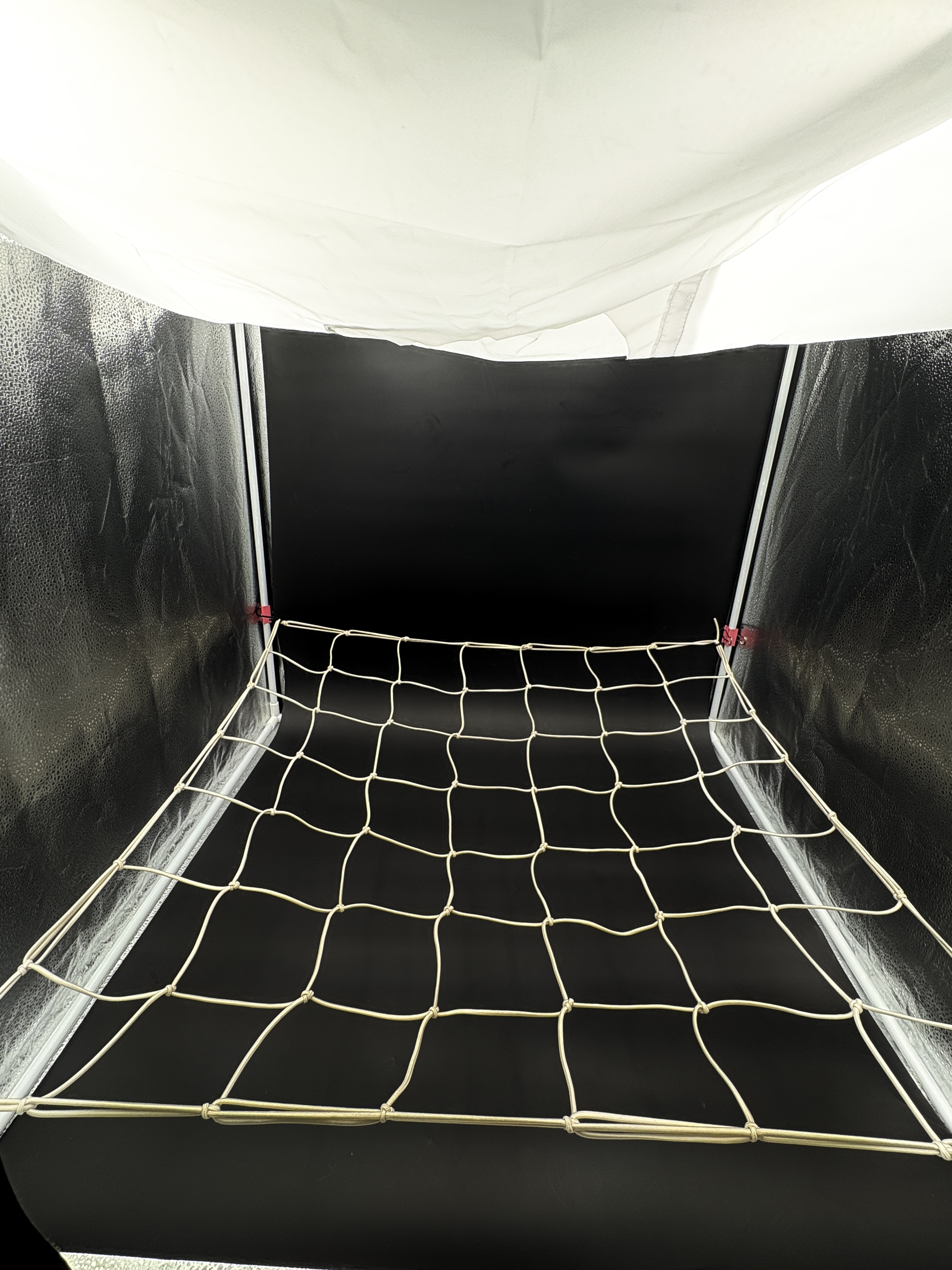
Inside a greenhouse, a trellis net is most commonly installed horizontally above the growing beds. This setup is particularly effective for short, bushy crops such as cannabis, peppers, and compact tomato varieties. The trellis net is stretched flat between the support framework of the greenhouse structure and positioned at a specific height above the plant canopy. As plants grow upward, their stems and branches push through the trellis net openings, which hold each stem in place and prevent lateral sprawl. This horizontal trellis net method is widely known as the SCROG technique, which stands for 'Screen of Green,' and it maximizes the usable light footprint inside the growing space.
A horizontal trellis net inside a greenhouse also makes it easier to maintain consistent plant spacing. Each opening in the trellis net acts as a guide, ensuring that no two stems overcrowd the same zone. Growers can tuck new growth through adjacent openings as the plant matures, training the canopy to fill the entire trellis net surface. This results in a uniform, even canopy that receives equal light distribution from overhead fixtures or natural skylights. The trellis net becomes a management tool, not just a support structure.
Vertical Trellis Net Setup for Tall Vine Crops
For tall vine crops such as indeterminate tomatoes, cucumbers, and beans grown inside a greenhouse, the trellis net is installed vertically along the length of the planting row. The trellis net panels are anchored to overhead rails or side poles and hang downward, creating a vertical grid structure. Plant stems are woven through or clipped to the trellis net as they grow upward. This vertical application keeps the plants off the ground, reduces the risk of soil-borne disease, and allows growers to walk along the rows and inspect each plant easily. The trellis net in a vertical configuration also improves airflow through the canopy, which reduces humidity buildup and minimizes fungal infection risk in enclosed greenhouse conditions.
Trellis Net Application in Open Fields
Trellis Net for Row Crops and Vine Management
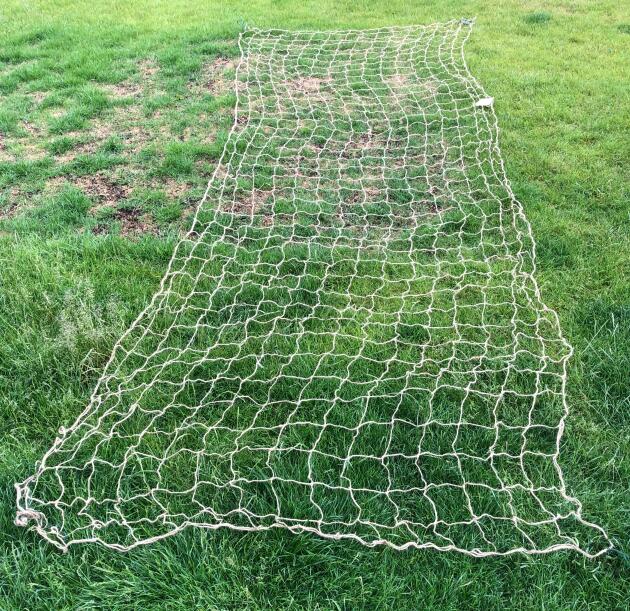
In open fields, a trellis net serves a different but equally important role. Field crops such as beans, peas, melons, and cucumbers require support that can withstand outdoor conditions including wind, rain, and temperature fluctuation. A trellis net is installed between rows of wooden or metal stakes driven into the soil at regular intervals. The trellis net is then tensioned horizontally or vertically between these stakes, creating a long, continuous support corridor along each planting row. Vines grow into and through the trellis net naturally, using it as a climbing structure. This open-field trellis net setup keeps fruit off the ground, which reduces rot, pest contact, and mechanical damage during field operations.
A trellis net used in open-field row cropping also makes it significantly easier to apply pesticides, fertilizers, and irrigation uniformly. Because the plants are held upright by the trellis net, spray coverage reaches all parts of the canopy without obstruction. Workers harvesting the crop can quickly identify ripe fruit hanging on the trellis net without needing to search through tangled ground-level growth. The organized structure that a trellis net provides translates directly into faster, more efficient labor during both maintenance and harvest phases.
Trellis Net for Trellised Fruit Production
Beyond row vegetables, a trellis net is widely used for fruit production in open orchards and berry farms. In berry cultivation, a trellis net helps guide cane growth along a defined plane, making the canes easier to manage, prune, and harvest. For passion fruit, kiwi, and similar climbers, a trellis net provides the overhead canopy support structure that allows the plants to spread across a wide area without collapsing. The trellis net holds the weight of both the foliage and the developing fruit clusters. Growers who use a trellis net in fruit production often report improved fruit sizing and coloring because the canopy structure created by the trellis net ensures better light exposure on all sides of the developing fruit.
Choosing the Right Trellis Net for Each Setting
Material and Mesh Size Considerations
Selecting the correct trellis net for greenhouses versus open fields requires considering material durability, mesh size, and elasticity. A trellis net used indoors in a grow tent or greenhouse benefits from elastic properties that allow gentle expansion as plants grow thicker. Elastic trellis net options prevent the netting from cutting into stems as the plant matures. For outdoor applications, a trellis net must be made from UV-resistant material that can endure prolonged sun exposure without degrading. Mesh opening size is another critical factor — a trellis net with larger openings suits big-fruited crops, while a tighter mesh trellis net is better for smaller-stemmed plants that need more frequent support points.
Installation Height and Tension
The height at which a trellis net is installed affects how well it supports plant growth. In greenhouses, starting the trellis net too low forces early training and can stress young plants. Starting the trellis net too high delays the canopy management benefits. Most greenhouse growers position the first trellis net layer at roughly 30 to 50 centimeters above the growing medium and add additional trellis net layers as the plant height increases. In open fields, trellis net tension must be firm enough to resist wind pressure but flexible enough to absorb sudden gusts without pulling out the support stakes. Properly tensioned trellis net systems rarely shift during adverse weather, giving crops consistent support throughout the growing season.
FAQ
What crops benefit most from using a trellis net?
Crops that climb, sprawl, or produce heavy fruit benefit most from a trellis net. These include tomatoes, cucumbers, beans, peas, melons, cannabis, passion fruit, and berries. Any plant that cannot support its own weight naturally as it matures is a strong candidate for trellis net support.
Can a trellis net be reused across multiple growing seasons?
Yes, a high-quality trellis net made from durable polypropylene or nylon can be cleaned, stored, and reused for multiple seasons. After each harvest, growers should remove plant debris from the trellis net, rinse it thoroughly, allow it to dry completely, and store it away from direct sunlight to preserve its strength and mesh integrity.
Is a trellis net suitable for organic farming practices?
A trellis net is fully compatible with organic farming. It does not introduce chemicals into the growing environment and supports plant health through improved airflow and reduced ground contact. Many certified organic growers use a trellis net as a standard part of their crop management system in both greenhouse and open-field settings.