 EN
EN

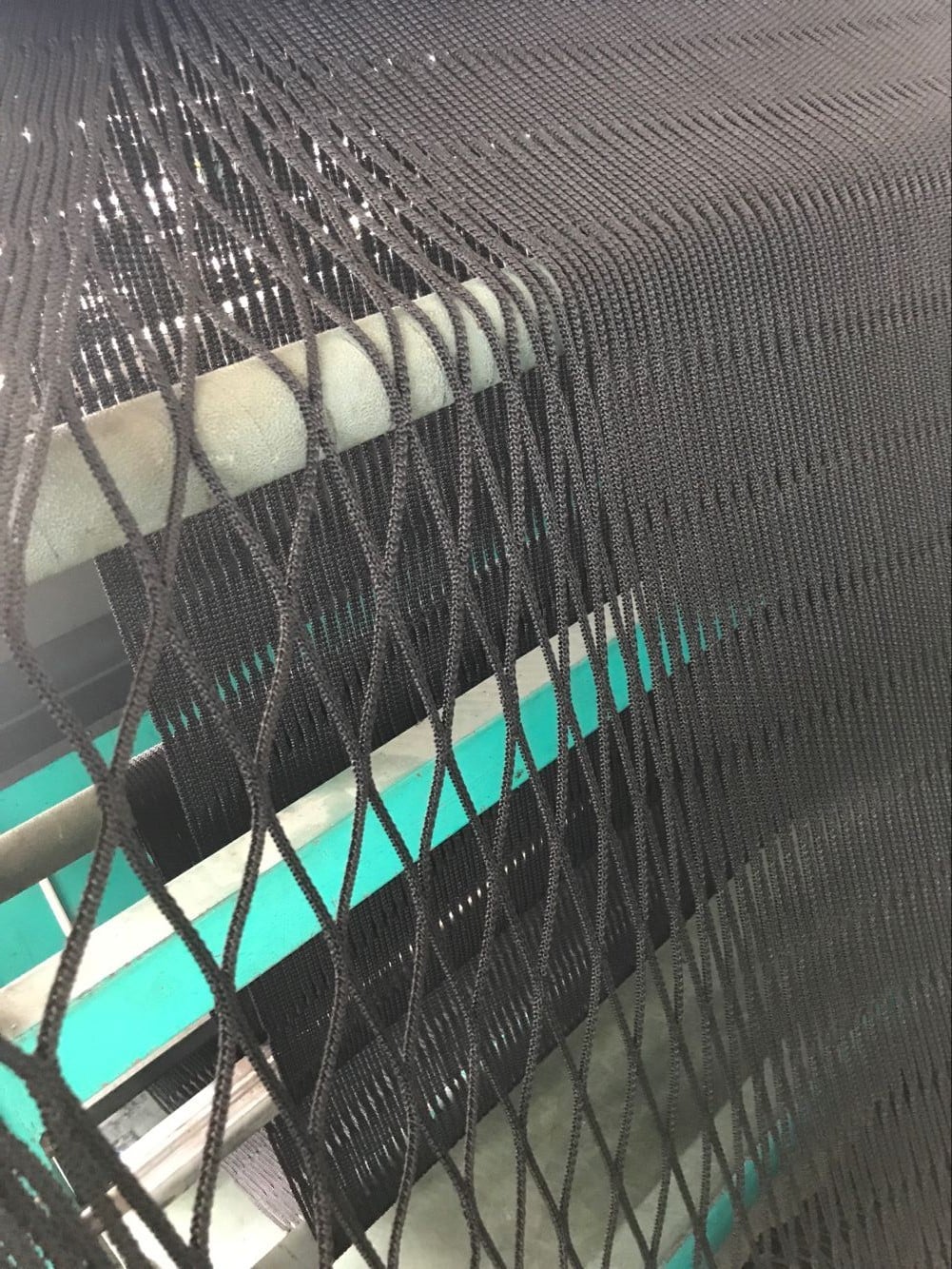
Commercial farming operations constantly seek methods to maximize productivity and profitability per acre. One proven solution that delivers measurable results is the strategic implementation of trellis net systems designed to support climbing and vining crops. These specialized support structures fundamentally transform how crops grow, develop, and produce harvestable yield throughout the growing season. By understanding how trellis net functions within modern agricultural systems, farmers can unlock significant productivity gains while improving overall crop quality and labor efficiency.
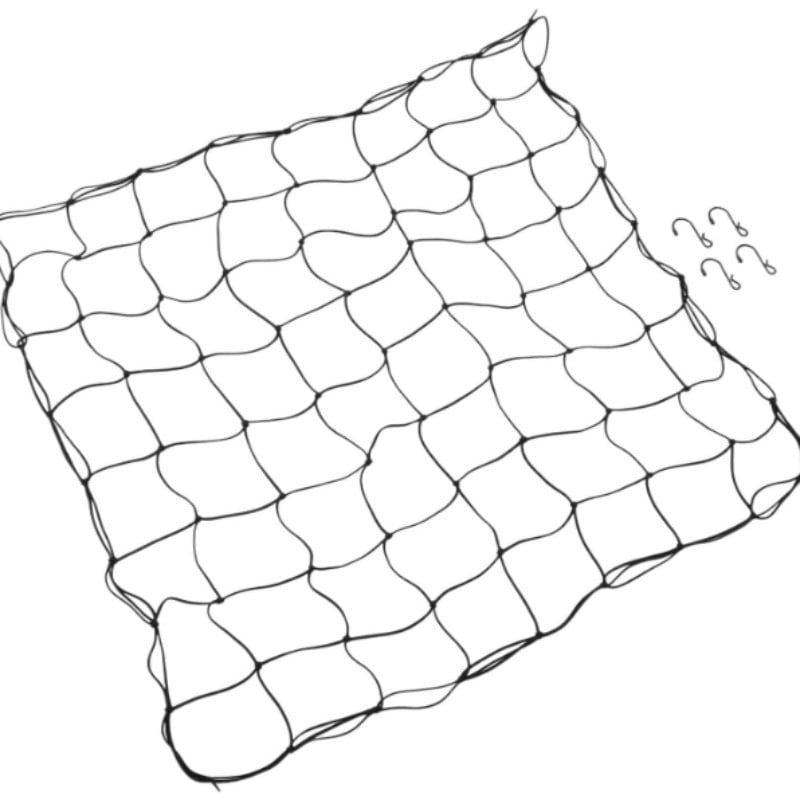
The relationship between trellis net installation and crop yield improvement operates through multiple interconnected mechanisms that enhance plant physiology, light exposure, and disease management. When properly deployed, trellis net creates vertical growing architecture that maximizes light penetration to lower canopy layers, reduces humidity-related disease pressure, and streamlines harvest operations. This comprehensive guide examines how trellis net delivers tangible yield improvements in commercial farming environments and provides actionable insights for implementation success.
Understanding Trellis Net Mechanics and Yield Impact
How Trellis Net Enhances Light Distribution
The primary mechanism through which trellis net improves crop yield centers on optimized light distribution throughout the canopy structure. When crops grow horizontally along conventional ground surfaces, lower leaves and developing fruit receive insufficient light due to upper foliage shading. Trellis net redirects plant growth vertically, positioning each crop section where it receives direct or indirect sunlight during peak photosynthetic hours. This expanded light exposure drives increased photosynthetic activity across more leaf surface area, directly translating to higher carbohydrate production and greater fruit or vegetable development potential. Commercial operations implementing trellis net systems consistently report 25 to 40 percent yield increases compared to ground-level growing methods in identical field conditions.
Airflow Improvement and Disease Reduction
Beyond light enhancement, trellis net creates superior air circulation patterns that dramatically reduce fungal and bacterial disease incidence. When vegetation remains densely packed on the ground, moisture accumulates within the canopy, creating ideal conditions for powdery mildew, early blight, and other moisture-dependent pathogens. Trellis net elevates foliage above ground level, allowing consistent air movement through the plant structure and promoting rapid leaf surface drying after precipitation or irrigation. This disease suppression reduces chemical intervention requirements, lowers management costs, and prevents yield losses from crop damage. Farmers utilizing trellis net frequently experience 30 to 50 percent reductions in disease-related yield losses, representing substantial economic benefits beyond the direct yield increase.
Structural Benefits and Agricultural Efficiency
Simplified Harvest Operations and Labor Productivity
Implementing trellis net transforms harvest dynamics by elevating crop production to ergonomic working heights that reduce physical strain on harvest personnel. Harvesting from ground-level plantings requires workers to bend, kneel, or crawl, leading to fatigue, reduced picking speed, and quality inconsistency. Trellis net positions ripe fruit and vegetables at shoulder to waist height, enabling faster picking rates, fewer worker injuries, and improved harvest quality through reduced dropping and bruising. Studies document 20 to 35 percent faster harvest rates when workers operate within trellis net systems compared to traditional ground plantings. This efficiency translates directly to reduced labor costs per unit of harvested crop, improving overall farming profitability significantly.
Water and Nutrient Utilization Efficiency
Trellis net systems enable more precise irrigation delivery and improved water distribution compared to ground-level growing approaches. Elevated crops supported by trellis net interact differently with soil moisture patterns and benefit from optimized drip or micro-irrigation placement at the root zone. The improved canopy architecture reduces uneven water uptake patterns common in sprawling, ground-level crops. Additionally, trellis net prevents soil-borne disease transmission by keeping plant material elevated and separated from direct soil contact. Enhanced root zone oxygenation and more efficient nutrient uptake occur when crops maintain vertical architecture, leading to stronger plant development and higher fruit counts per plant. These physiological improvements compound throughout the growing season, delivering cumulative yield advantages.
Crop Yield Optimization Through Strategic Trellis Net Implementation
Variety Selection and System Matching
Maximizing trellis net effectiveness requires careful crop variety selection and system design that aligns with specific growth habits and market demands. Indeterminate tomato varieties, pole beans, cucumbers, and specialty melons respond exceptionally well to trellis net support, delivering the highest yield improvements in commercial settings. The trellis net infrastructure must accommodate the mature size and weight of intended crop varieties, requiring proper spacing, tension, and material strength. Growers should evaluate trellis net mesh size, material durability, and installation methods specific to their crops before implementation. Proper variety-to-trellis net matching ensures optimal growth expression and maximizes the yield improvement potential throughout the entire production cycle.
Density and Spacing Optimization
Trellis net enables increased plant density within commercial farming systems while maintaining or improving individual plant productivity. The vertical growing architecture supported by trellis net allows closer spacing between plants compared to ground-level systems, effectively increasing plant population per acre. However, excessive density reduces air circulation and light penetration, negating trellis net benefits. Commercial growers typically increase planting density by 15 to 25 percent within trellis net systems while maintaining superior air movement and light distribution. This balanced approach to trellis net deployment delivers multiplicative yield gains through both improved per-plant productivity and increased plant count per production area, representing the most significant yield improvement opportunity in modern commercial farming.
FAQ
What crop types benefit most from trellis net support systems?
Indeterminate vine crops including tomatoes, cucumbers, pole beans, melons, and specialty squash varieties demonstrate exceptional responsiveness to trellis net systems. These crops naturally exhibit climbing or sprawling growth habits that align perfectly with vertical trellis net architecture. Leafy greens and shorter-statured crops provide minimal trellis net benefit compared to vining species. Cool-season crops like peas and beans respond enthusiastically to vertical trellis net support, particularly in high-density commercial operations targeting premium market positioning.
How much yield increase can growers realistically expect from trellis net installation?
Realistic yield improvements from properly implemented trellis net systems typically range from 25 to 50 percent depending on crop type, climate conditions, and pre-implementation growing methods. Tomato crops frequently achieve 35 to 45 percent yield increases, while cucumber and pole bean operations often exceed 50 percent improvements. These gains result from compounded benefits including enhanced light exposure, disease reduction, increased plant density, and improved fruit quality. Regional environmental factors, variety selection, and irrigation management significantly influence the magnitude of trellis net yield benefits in any commercial farming operation.
What are the primary maintenance requirements for trellis net systems?
Trellis net maintenance focuses on seasonal inspection, proper tension adjustment, and periodic cleaning to maintain structural integrity and disease prevention benefits. Growers should inspect mesh condition regularly for wear, UV degradation, or physical damage that compromises support function. Tension adjustment prevents sagging that reduces light exposure effectiveness and creates moisture pockets supporting disease development. End-of-season cleaning removes crop residue and reduces pathogen carryover to subsequent plantings. Quality trellis net systems typically maintain productive functionality for three to five seasons with proper maintenance, providing excellent long-term value in commercial farming operations.