 EN
EN

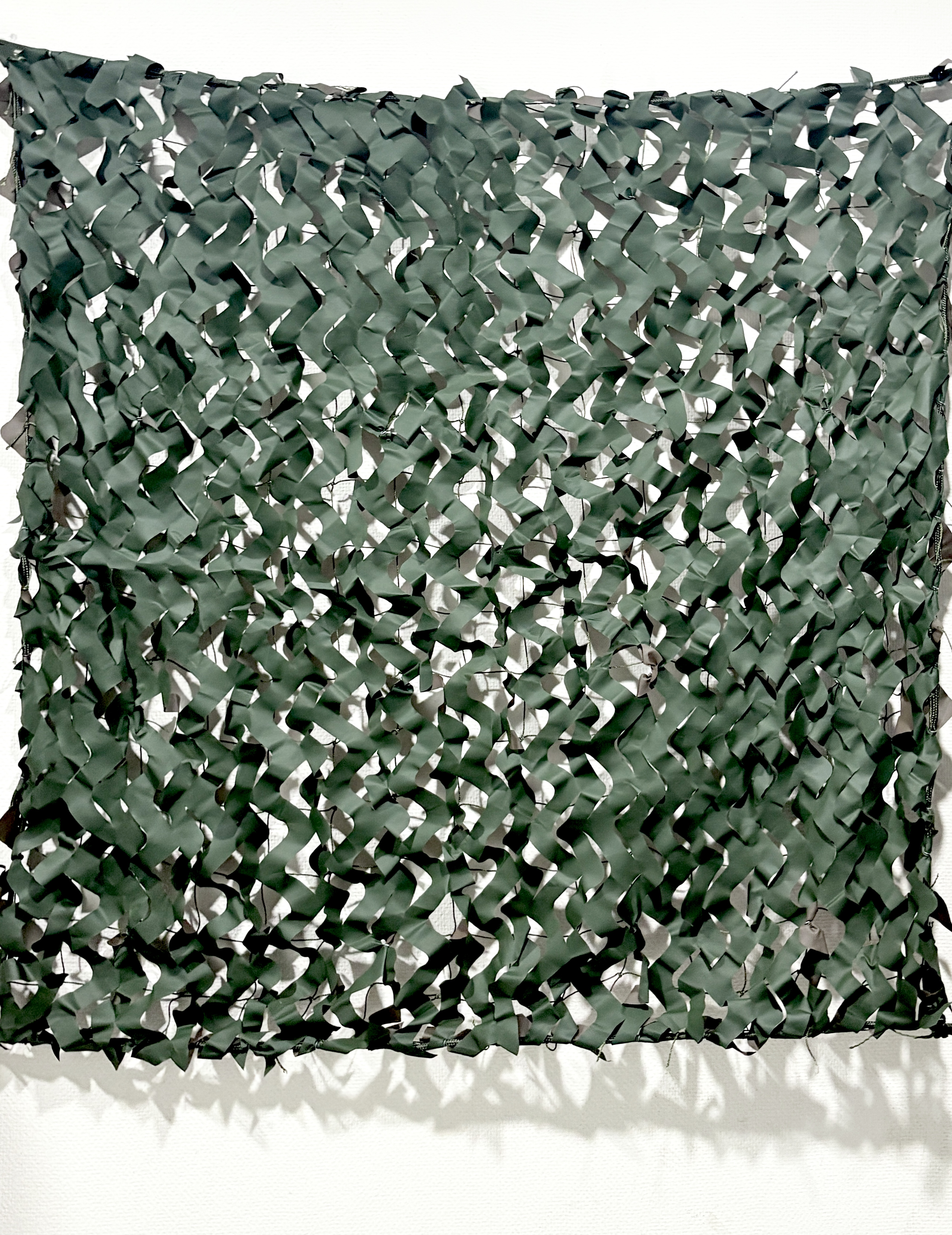
Selecting the right trellis nets for vine crops is a critical decision that directly impacts crop productivity, harvest quality, and labor efficiency. Growers managing vineyards, hop fields, cucumber operations, and other vertical crop systems face significant choices about which support structures will best serve their specific growing conditions and varieties. The right trellis nets for vine crops provide physical support, improve air circulation, reduce disease pressure, and simplify harvesting operations. Without proper trellising infrastructure, vine crops suffer from lower yields, increased pest and disease problems, and significantly higher picking costs.
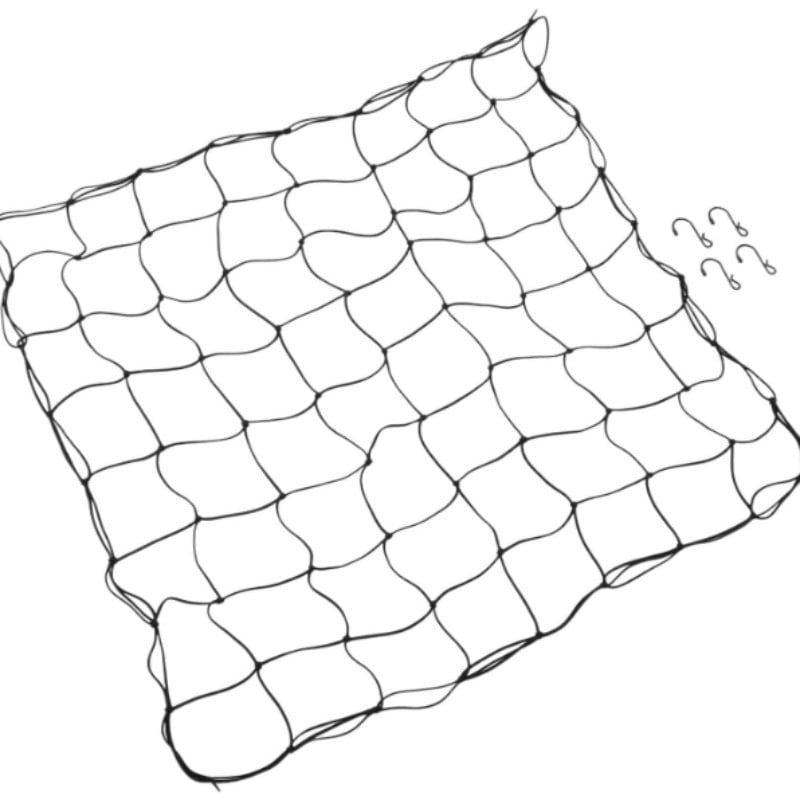
The process of choosing trellis nets for vine crops involves evaluating multiple factors including crop type, plant density, expected vine growth patterns, climate conditions, installation permanence, and budget constraints. Different vine crops have fundamentally different support requirements, and trellis nets for vine crops must match these specific demands. A successful selection process combines understanding your crop's behavior with knowledge of available materials, mesh configurations, and proven installation practices across the industry.
Understanding Crop-Specific Requirements for Trellis Nets
How Vine Crop Characteristics Drive Trellis Net Selection
Each vine crop type requires trellis nets for vine crops designed around its unique growth habits and commercial requirements. Grapes, for example, develop heavy fruit loads and woody stems that demand robust support systems capable of bearing substantial weight throughout the growing season. Hop vines, conversely, grow extremely tall and lightweight, requiring trellis nets for vine crops that facilitate vertical climbing rather than horizontal support. Cucumber and melon operations depend on trellis nets for vine crops that prevent fruit from touching soil while allowing workers to reach plants at multiple heights for efficient harvesting.
The vigor level of your specific varieties also influences which trellis nets for vine crops will perform best. High-vigor cultivars produce dense canopy growth and require mesh sizes that prevent tangling while maintaining structural integrity under leaf mass. Low-vigor varieties may succeed with less robust trellis nets for vine crops, reducing capital investment without sacrificing support quality. Understanding your crop's phenological development timeline helps determine whether trellis nets for vine crops need adjustment or reinforcement during peak growth periods.
Climate and Environmental Adaptability
Regional climate conditions fundamentally shape decisions about trellis nets for vine crops design and material selection. Areas with strong winds demand sturdier trellis nets for vine crops with reinforced attachment points and potentially smaller mesh openings to reduce wind loading on individual vines. High-rainfall regions benefit from trellis nets for vine crops that promote rapid canopy drying and reduce fungal disease incidence through improved air movement. Cold climates where frost damage threatens may require trellis nets for vine crops that can be partially collapsed or adjusted to protect vulnerable vine tissues during spring and fall temperature swings.
Material Selection and Durability Considerations
Comparing Trellis Net Materials for Long-Term Performance
The material composition of trellis nets for vine crops directly determines their lifespan, maintenance requirements, and total cost of ownership. Polyethylene and polypropylene-based trellis nets for vine crops offer excellent value for single-season or multi-year operations, providing adequate strength while remaining cost-effective for operations with land-use flexibility. These materials resist UV degradation when properly formulated and maintain structural integrity through typical growing seasons. However, trellis nets for vine crops made from these polymers may require annual inspection and replacement in harsh climates or under heavy vine loads.
Nylon and polyester trellis nets for vine crops represent premium options for permanent or long-term installations where durability justifies higher initial investment. These materials withstand years of seasonal service, resist UV degradation more effectively than polyolefins, and maintain consistent mesh geometry as they age. Growers operating established vineyards or permanent hop fields frequently choose trellis nets for vine crops made from these advanced polymers because replacement frequency becomes negligible compared to initial installation labor. The trade-off involves substantially higher upfront costs, requiring financial analysis based on your operation's tenure and crop value.
Mesh Size and Weight Capacity Assessment
Selecting appropriate mesh openings in trellis nets for vine crops balances fruit support requirements against practical handling and maintenance needs. Smaller mesh sizes, typically 100 to 150 millimeters, provide maximum fruit support and prevent small fruits from falling through, making them ideal for cucumber, melon, and smaller grape varieties. Medium mesh sizes, ranging from 150 to 200 millimeters, accommodate most commercial grape varieties and intermediate crops while improving canopy ventilation. Larger mesh openings in trellis nets for vine crops reduce material weight, lower purchase costs, and optimize light penetration for certain operations, though they may inadequately support smaller-fruited crops.
Weight capacity ratings for trellis nets for vine crops should exceed your expected maximum fruit and foliage load by at least 30 percent to provide safety margin for unexpected growth vigor or environmental stress. A vineyard experiencing an unusually abundant crop year, for instance, benefits from trellis nets for vine crops designed with conservative weight specifications. Most quality trellis nets for vine crops specify safe working load capacities, and responsible growers verify these ratings match their crop's characteristics before installation.
Installation Methods and Long-Term Functionality
Permanent Versus Temporary Installation Approaches
The permanence of your trellis nets for vine crops installation significantly influences material choice, support infrastructure design, and total system cost. Permanent installations for long-rotation crops like vineyards and hop yards justify substantial infrastructure investment, including concrete footings, reinforced posts, and premium trellis nets for vine crops materials. These systems remain in place for ten to twenty years, and their superior durability and reliability offset higher material costs through reduced replacement labor and consistent performance.
Temporary or rotational trellis nets for vine crops installations in vegetable production systems emphasize quick deployment, easy removal, and material reusability. These operations install trellis nets for vine crops seasonally, requiring systems that attach easily to temporary supports and detach without damage for storage. The economics of temporary trellis nets for vine crops favor lower-cost materials and simpler attachment mechanisms, accepting shorter service life in exchange for flexibility and reduced upfront infrastructure costs.
Attachment Methods and Maintenance Requirements
How trellis nets for vine crops attach to support structures influences both installation speed and long-term functionality. Knot-tying or clip-based systems for trellis nets for vine crops require significant labor during installation but allow quick removal and repositioning without specialized equipment. Welded or fused attachment points on trellis nets for vine crops reduce labor requirements but make adjustment impossible without cutting and reattaching. Most commercial operations choose trellis nets for vine crops with attachment points specifically engineered for their support post type and spacing.
Maintenance of trellis nets for vine crops includes regular inspection for wind damage, debris accumulation, and material degradation throughout the season. Proper tension adjustment on newly installed trellis nets for vine crops prevents sagging that increases disease risk and complicates harvesting. Many growers include trellis nets for vine crops tension checks in their routine canopy management program, ensuring consistent support throughout the growing season.
Selection Criteria and Decision Framework
Matching Economics to Operational Scale
Small-scale operations prioritize cost-effectiveness when choosing trellis nets for vine crops, often selecting basic polyethylene options suitable for three to five growing seasons. These growers benefit from the simplicity and affordability of standard trellis nets for vine crops available from agricultural suppliers. Larger commercial operations can justify investment in premium trellis nets for vine crops that offer superior durability, better disease prevention through improved canopy management, and reduced long-term replacement costs.
Compatibility with Existing Infrastructure
Established vineyards and hop operations must select trellis nets for vine crops compatible with existing post spacing, height standards, and attachment systems. Retrofitting trellis nets for vine crops into established trellising infrastructure may require custom specifications or modifications to standard products. New operations enjoy complete freedom to design trellis nets for vine crops specifications from the ground up, optimizing for efficiency and cost-effectiveness without retrofit constraints.
FAQ
What mesh size should I choose for my trellis nets for vine crops?
Mesh size for trellis nets for vine crops depends on your crop type and fruit size. Smaller fruits like grapes and hops typically require 100 to 150-millimeter mesh in trellis nets for vine crops, while larger-fruited crops may work with 150 to 200-millimeter mesh. Consult your crop variety specifications and compare them against trellis nets for vine crops options available from suppliers to find the best balance between support and air circulation.
How long do typical trellis nets for vine crops last?
Lifespan for trellis nets for vine crops varies by material and conditions. Polyethylene trellis nets for vine crops typically last three to five years, while premium nylon or polyester trellis nets for vine crops can function for ten to twenty years. UV exposure, climate stress, and mechanical wear all influence how long your specific trellis nets for vine crops will maintain structural integrity. Darker-colored trellis nets for vine crops often resist UV degradation longer than lighter-colored options.
Can trellis nets for vine crops be reused across multiple seasons?
Yes, quality trellis nets for vine crops can be reused across multiple seasons if properly stored and maintained. After harvest, carefully remove trellis nets for vine crops and store them in a cool, dry location protected from direct sunlight. Before reinstalling, inspect your trellis nets for vine crops for tears, weakened areas, or material degradation. With proper care, many trellis nets for vine crops remain functional through several growing seasons, significantly reducing replacement costs and supporting sustainable production practices.