 EN
EN

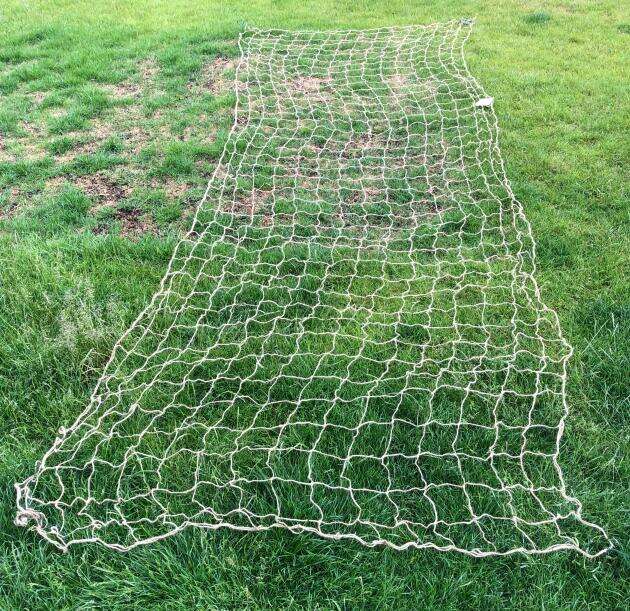
The scrog net has become a fundamental tool for growers working inside controlled environments. Whether applied in a greenhouse structure or a hydroponic grow tent, a scrog net helps growers guide plant growth horizontally, distribute light evenly across the canopy, and improve overall yields. Understanding how a scrog net functions within these specific environments is key to getting the most out of every growing cycle.
A scrog net is a horizontal mesh screen positioned above the plant canopy. As plants grow upward, their branches and stems are woven or trained through the net openings. This technique, known as the screen of green method, allows growers to manage plant structure deliberately rather than letting plants grow in random directions. In both greenhouse and hydroponic settings, a well-applied scrog net transforms how space, light, and nutrients are used throughout the entire grow cycle.
The Role of Scrog Net in Greenhouse Cultivation
Canopy Management and Light Distribution
In a greenhouse environment, light comes from above and may not penetrate deeply into a dense canopy. A scrog net solves this by flattening the canopy into a wide, even layer. When branches are trained through the scrog net, the top growth is spread laterally, allowing lower bud sites to receive the same light intensity as the highest points of the plant. This dramatically increases the number of productive growth zones per plant.
Greenhouse growers often deal with irregular plant heights, especially when cultivating different varieties side by side. A scrog net creates a uniform growing plane, which simplifies overhead lighting setup and reduces shading between adjacent plants. By maintaining a consistent canopy height using a scrog net, growers can standardize their lighting rigs and reduce energy waste across the entire greenhouse floor.
Structural Support During Flowering and Fruiting
As plants enter the flowering or fruiting stage, their branches carry significantly more weight. Without proper support, stems can snap or bend under the load of dense buds or heavy fruit clusters. A scrog net acts as a structural anchor, holding individual branches in place and preventing them from drooping or breaking. This is especially valuable in greenhouse crops that produce large, heavy yields per plant. The scrog net essentially becomes a cradle for the plant's most productive growth.
For greenhouse tomatoes, cucumbers, or high-value flowering crops, using a scrog net during the late growing stages also simplifies harvest. Workers can access individual branches more easily when the plant is spread across a flat net rather than forming a tangled vertical mass. The scrog net keeps spacing consistent and reduces crop damage during harvesting operations.
Scrog Net Applications in Hydroponic Systems
Optimizing Space in Grow Tents and Indoor Setups
Hydroponic growers typically operate within confined spaces such as grow tents or indoor grow rooms where every square centimeter matters. A scrog net helps growers make full use of the available footprint by training plants outward rather than allowing them to grow tall and narrow. When plants are guided through a scrog net, the growth fills the entire area beneath the grow light, ensuring that no light energy is wasted on empty space.
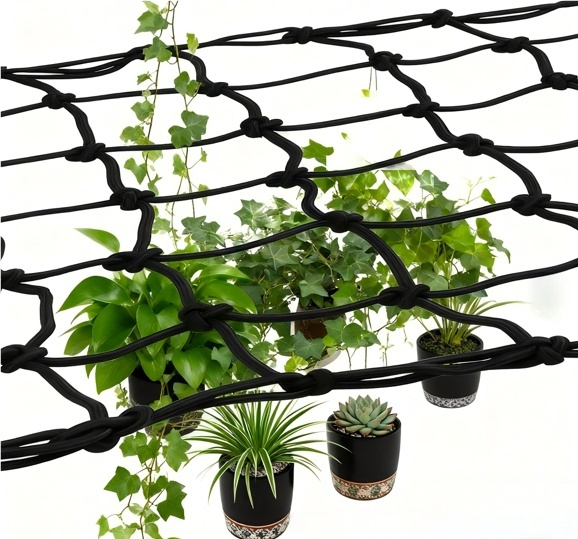
In hydroponic systems, plant growth rates are generally faster than in soil-based cultivation because nutrients are delivered directly to the root zone. This accelerated growth makes canopy control even more critical. Without a scrog net, fast-growing hydroponic plants can quickly crowd each other, block light to lower zones, and create humidity pockets that invite disease. A scrog net gives growers a reliable way to stay ahead of rapid canopy expansion.
Maintaining Airflow and Reducing Disease Risk
One of the most overlooked benefits of a scrog net in hydroponic environments is improved airflow. When plant growth is spread horizontally through the openings of a scrog net, air circulates more freely between branches and leaves. Good airflow reduces moisture buildup on leaf surfaces, which is one of the primary causes of mold and fungal disease in enclosed growing environments. A scrog net therefore contributes directly to plant health as well as yield optimization.
Hydroponic growers who use a scrog net consistently report fewer problems with powdery mildew and botrytis because the open canopy dries more evenly between watering cycles. The scrog net also makes it easier to inspect plants for pests or signs of disease, since each branch is accessible and visible. In a dense hydroponic setup, early detection of problems is critical, and a scrog net makes visual monitoring far more practical.
Setting Up and Maintaining a Scrog Net Effectively
Correct Installation Height and Mesh Size
The effectiveness of a scrog net depends largely on correct installation. The scrog net should be positioned roughly 20 to 40 centimeters above the top of the growing medium or the base of the plant stem. This gives the plant enough vertical space to develop a strong root system and initial growth before being trained through the net. If the scrog net is placed too low, the plant will not have enough growth to fill it. If placed too high, the canopy management benefit is lost.
Mesh size is another important factor when selecting a scrog net. Openings that are too small restrict branch movement and can damage delicate stems. Openings that are too large provide insufficient support. For most greenhouse and hydroponic crops, a scrog net with square openings between 5 and 10 centimeters performs well. Elastic scrog net materials are particularly useful because they flex with plant movement rather than cutting into stems during growth.
Training Techniques and Ongoing Adjustment
Installing a scrog net is only the first step. Ongoing training is required as the plant grows through the net. Growers must regularly guide new growth through the scrog net openings to maintain an even canopy. Branches that grow too tall above the scrog net should be gently tucked back through the mesh to keep the canopy layer flat. This process is called low-stress training and works in combination with the scrog net to produce consistent, high-density yields.
In hydroponic projects, training with a scrog net is usually performed every two to three days during the vegetative phase due to the rapid growth rate. In greenhouse projects, the frequency depends on the crop type and growth speed. The key is consistency. A scrog net that is regularly maintained produces significantly better results than one that is installed and then left unmanaged throughout the grow cycle.
FAQ
What type of plants benefit most from a scrog net?
A scrog net is most commonly used with bushy or multi-branching plants that respond well to lateral training. High-value flowering crops, fruiting vegetables, and fast-growing hydroponic plants all benefit from a scrog net. The method is especially effective for crops where canopy density and light penetration are key factors in determining final yield.
Can a scrog net be reused across multiple grow cycles?
Yes, a scrog net made from durable elastic or nylon materials can be cleaned and reused across multiple cycles. After harvest, the scrog net should be removed carefully, washed with a mild disinfectant solution, and allowed to dry fully before reinstallation. Reusing a scrog net reduces ongoing costs and is a practical choice for growers running continuous production schedules in greenhouses or hydroponic facilities.
How does a scrog net differ from a standard trellis net?
A standard trellis net is typically used vertically to support climbing plants, while a scrog net is installed horizontally to train and flatten the canopy. The scrog net is a method-specific tool designed for the screen of green technique, where the goal is to spread plant growth evenly across a flat plane rather than guide it upward. Both serve a support function, but the scrog net is designed for active canopy management rather than passive vertical climbing support.