 EN
EN

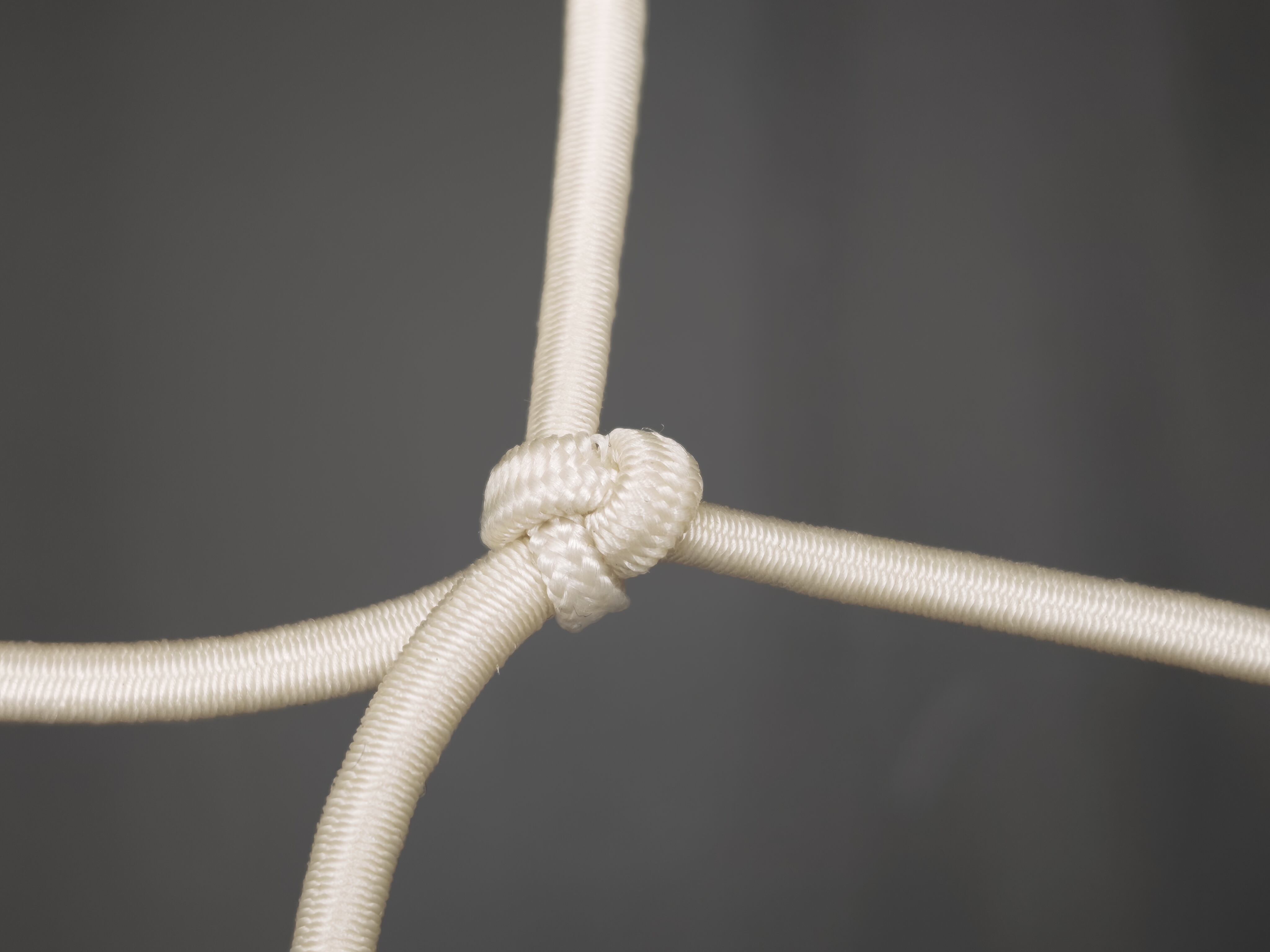
A trellis net is one of the most practical tools a grower can use to maximize vertical space and improve overall crop performance. Whether you are cultivating inside a grow tent or managing an outdoor garden, a trellis net provides the structural framework that guides plants upward rather than outward. This vertical orientation is not simply a space-saving trick — it directly influences how light reaches the canopy, how air circulates through the foliage, and ultimately how much yield a plant can produce. Understanding the mechanics behind a trellis net helps growers make smarter decisions at every stage of cultivation.
The efficiency of a trellis net comes from how it manages plant energy. Instead of allowing lateral sprawl, the trellis net channels plant growth into a structured, upright pattern. This structured canopy means more bud sites, flowering nodes, or fruiting points are exposed to direct light simultaneously. For commercial growers and hobbyists alike, a trellis net translates to higher productivity per square meter of growing space. The following sections break down exactly how a trellis net achieves this, from its physical mechanism to its impact on plant biology and crop management practices.
The Physical Mechanism of a Trellis Net
How the Grid Structure Guides Growth
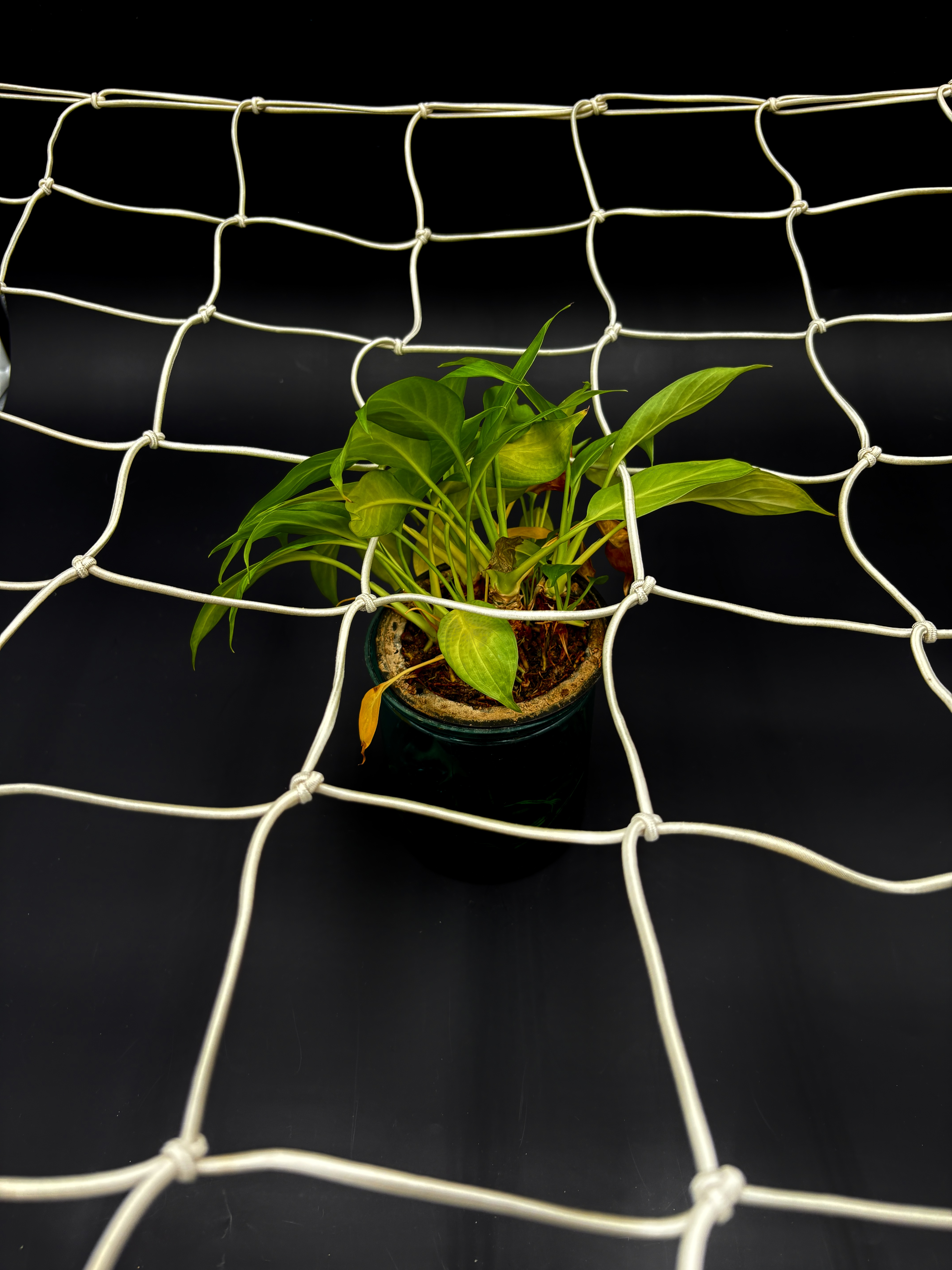
The defining feature of any trellis net is its grid-based design. Each square or rectangular opening in the trellis net acts as a guide point for individual stems or branches. As a plant grows, the grower weaves stems through the trellis net openings, training the plant horizontally across the net before it climbs vertically. This technique, commonly called SCROG or screen of green training, relies entirely on the trellis net to hold stems in place without damaging them. The trellis net distributes the plant's canopy evenly, preventing any single branch from dominating and shading others.
An elastic trellis net offers a particular advantage during this phase. Because the mesh material stretches slightly under pressure, it accommodates the natural movement and weight of growing stems without snapping or cutting into the plant tissue. A rigid trellis net may cause friction damage at contact points, while an elastic trellis net flexes with the plant as it expands. This gentle support means that even heavy-bearing plants can rely on a trellis net throughout their entire growth cycle without suffering stress injuries at stem contact points.
Vertical Spacing and Load Distribution
A well-installed trellis net distributes the weight of a crop across its entire surface area. Rather than concentrating load on a few support stakes or ties, the trellis net shares the weight among dozens of grid intersections. This load distribution is especially important during the flowering or fruiting phase, when branches become heavy and the risk of snapping increases. A trellis net essentially acts as a safety net in the literal sense — catching and supporting branches that would otherwise droop, break, or touch the ground.
How a Trellis Net Improves Light and Airflow
Canopy Exposure and Light Penetration
One of the most significant benefits of using a trellis net is its effect on light distribution. When plants sprawl naturally without a trellis net, the upper canopy blocks light from reaching lower growth sites. By training plants across a trellis net, the grower creates a flat, uniform canopy where nearly every growth point sits at the same height relative to the light source. This even canopy means that a single grow light or sun exposure window can serve a much greater number of active plant nodes simultaneously.
Inside a grow tent, this effect is amplified. The reflective interior walls of a grow tent already bounce light back toward the canopy, and a trellis net maximizes this advantage by keeping the canopy spread out rather than bunched. Growers using a trellis net in a grow tent frequently report a noticeable improvement in bud development across the entire plant surface, not just at the top colas. The trellis net essentially multiplies the productive zone of each plant.
Airflow Management and Disease Prevention
A trellis net also plays a critical role in airflow management. Dense, unmanaged foliage is a common cause of mold, mildew, and pest problems in both indoor and outdoor growing environments. When a trellis net spreads plant branches across a defined plane, gaps form naturally between stems and leaves, allowing air to circulate freely through the plant structure. This ventilation reduces humidity pockets and keeps foliage drier, which directly lowers the risk of fungal disease.
For indoor growers relying on fans and climate control systems, a trellis net works alongside these tools by preventing the canopy from collapsing into a dense mass. The open grid of the trellis net ensures that airflow from fans reaches interior branches, not just the surface layer. This holistic approach to climate management is one reason why the trellis net has become a standard component in professional grow tent setups worldwide.
Practical Crop Management with a Trellis Net
Timing and Installation Best Practices
Installing a trellis net at the right stage of growth is critical to its effectiveness. Most growers introduce the trellis net during the vegetative phase, before stems become rigid and difficult to manipulate. Early installation allows the grower to guide stems through the trellis net openings gradually, week by week, until the desired canopy coverage is achieved. Attempting to retrofit a trellis net over an already mature plant is possible but far less efficient, as rigid woody stems resist bending without risk of breakage.
The trellis net should be secured tightly enough to hold its position under the weight of growing branches, but the tension must not pinch or compress stems. For grow tent setups, most trellis net products include corner hooks or adjustable straps that attach to the tent frame. Outdoor trellis net installations typically rely on stakes or fixed frames to hold the net in position. Regardless of the setting, the trellis net must remain stable throughout the crop cycle to provide consistent support.
Harvesting Efficiency and Post-Cycle Handling
A trellis net also improves efficiency at harvest time. Because plants trained on a trellis net grow in a predictable, organized pattern, growers can identify and access individual branches more easily. Selective harvesting, where ripe sections are cut first while others continue maturing, is far more manageable when a trellis net has organized the canopy clearly. After harvest, an elastic trellis net can be cleaned, disinfected, and reused across multiple growing cycles, making it a cost-effective long-term investment.
FAQ
What size trellis net is best for a standard grow tent?
The ideal trellis net size depends on the internal dimensions of your grow tent. Most standard grow tents measure 60x60 cm to 120x120 cm, and a trellis net should be cut or sized to match the internal floor area. Mesh openings of 5 cm to 10 cm are suitable for most crops, allowing stems to pass through and be positioned without excessive restriction.
Can a trellis net be used for outdoor vegetable crops?
Yes, a trellis net is highly effective for outdoor vegetable crops including tomatoes, cucumbers, beans, and climbing plants. Installed between stakes or along fence frames, a trellis net guides vertical growth efficiently, reduces ground contact, and improves air circulation around the plant. The trellis net also helps prevent fruit from resting on soil, which lowers rot risk significantly.
How often should a trellis net be replaced?
A quality elastic trellis net can last multiple growing cycles if cleaned and stored properly between uses. Signs that a trellis net needs replacement include visible fraying, loss of elasticity, or broken grid intersections that no longer hold stems securely. Inspecting the trellis net at the start of each new growing cycle ensures it remains effective and safe for plant support throughout the season.