 EN
EN

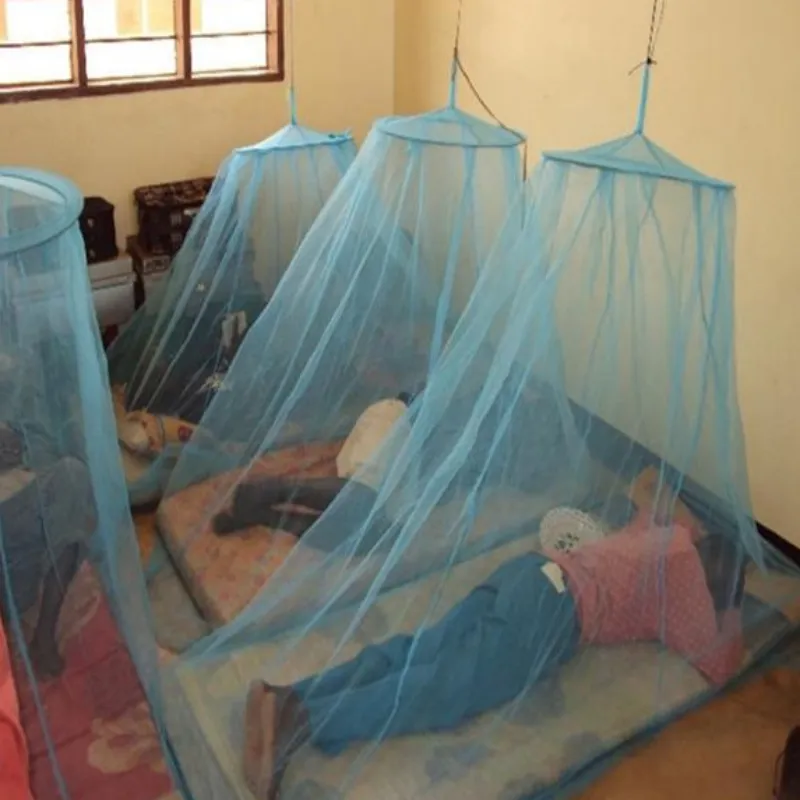
Malaria remains one of the most significant public health challenges in high-risk areas across Africa and Southeast Asia, affecting millions of people annually. A treated mosquito net serves as one of the most effective, affordable, and accessible interventions available to reduce malaria transmission in these vulnerable communities. Understanding how a treated mosquito net works at both the biological and operational levels is essential for public health officials, healthcare workers, and families seeking to protect themselves from this deadly disease. This comprehensive guide explores the mechanisms, efficacy, and practical deployment of treated mosquito nets in combating malaria transmission.
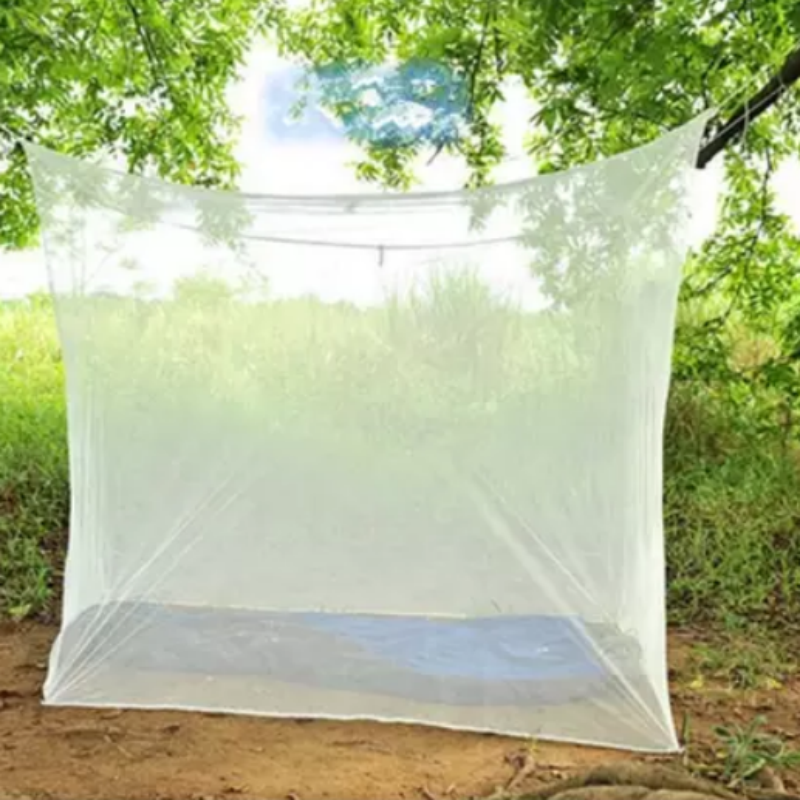
The effectiveness of a treated mosquito net depends on multiple factors including the type of insecticide used, the frequency of re-treatment, proper usage patterns, and community adoption rates. Long-lasting insecticidal nets, commonly known as LLINs, represent the most advanced form of treated mosquito net technology, engineered to maintain their protective efficacy for up to three years or more without requiring manual re-application. This innovation has transformed malaria prevention strategies in resource-limited settings where repeated treatment applications may be difficult or unreliable.
How Treated Mosquito Nets Block Malaria Transmission
The Biological Mechanism of Treated Mosquito Nets
A treated mosquito net functions as a dual-barrier system that combines physical exclusion with chemical intervention. The net fabric itself prevents mosquitoes from reaching the sleeper, while the insecticide coating on the treated mosquito net actively kills or repels mosquitoes that make contact with the surface. The most commonly used insecticides in treated mosquito net products are pyrethroids, which are neurotoxins that disrupt the mosquito's nervous system, leading to paralysis and death. Pyrethroid-based treated mosquito nets have proven highly effective because these insecticides are particularly toxic to mosquitoes while maintaining a favorable safety profile for human use.
The chemistry of a treated mosquito net extends beyond simple insecticide application. Modern treated mosquito net technology incorporates the insecticide into the fiber structure itself, ensuring even distribution and long-lasting release. This integration means that a treated mosquito net maintains its potency even after multiple washings, which is critical in settings where nets are regularly laundered. The insecticide in a treated mosquito net continues to work as long as mosquitoes are exposed to it, regardless of whether the insect penetrates the net or simply touches the outside surface.
Mosquito Behavior and Treated Mosquito Net Effectiveness
Understanding mosquito behavior is essential to appreciating why a treated mosquito net is so effective in malaria reduction. The primary malaria vectors, particularly Anopheles gambiae in Africa, are night-biting mosquitoes that seek human hosts under cover of darkness. A treated mosquito net aligns perfectly with this feeding behavior because most people sleep during the hours when mosquitoes actively hunt. When a mosquito encounters a treated mosquito net, the insecticide barrier triggers immediate contact toxicity, preventing the mosquito from feeding and transmitting parasites. The effectiveness of a treated mosquito net also creates what epidemiologists call a 'mass effect'—when widespread usage reduces the overall mosquito population in a community, protecting even those who do not use nets.
Clinical Evidence and Epidemiological Impact
Documented Efficacy of Treated Mosquito Nets
Decades of rigorous research have established the protective power of a treated mosquito net in reducing malaria incidence across high-risk populations. Clinical trials in sub-Saharan Africa have consistently demonstrated that consistent use of a treated mosquito net reduces malaria infection rates by 50 percent or more compared to populations without net protection. A treated mosquito net provides protection not only for the individual sleeping under it but also contributes to community-level disease control by reducing the number of infected mosquitoes available to transmit malaria parasites. The epidemiological impact of a treated mosquito net extends beyond individual protection, creating network effects that benefit entire villages and regions.
The specific effectiveness of a treated mosquito net varies based on local mosquito species, insecticide susceptibility, and usage patterns. In areas where malaria transmission is highly seasonal, a treated mosquito net provides critical protection during peak transmission months when mosquito populations surge. Public health data from West Africa and East Africa demonstrates that a treated mosquito net consistently ranks among the most cost-effective malaria interventions available, with prevention costs measured in just a few dollars per person per year. This economic efficiency makes a treated mosquito net particularly valuable in resource-constrained healthcare systems where funding for disease prevention is limited.
Prevention at Scale in High-Risk Regions
The scalability of a treated mosquito net as a public health intervention sets it apart from more complex malaria control strategies. Mass distribution campaigns can rapidly deploy a treated mosquito net to reach populations in remote areas, refugee camps, and conflict zones where other healthcare interventions may be unavailable. A treated mosquito net requires no electricity, medical training, or sophisticated infrastructure, making it uniquely suited for implementation in low-resource settings. National malaria control programs across Africa have successfully distributed hundreds of millions of treated mosquito nets, establishing a treated mosquito net as the backbone of malaria prevention strategy in these regions.
Implementation Strategies and Optimal Usage
Deployment Models for Treated Mosquito Nets
Effective malaria control using a treated mosquito net requires strategic deployment combined with sustained community engagement. Mass campaign distributions have proven highly effective for establishing initial treated mosquito net coverage, with countries in sub-Saharan Africa conducting large-scale distribution events to ensure households receive nets. A treated mosquito net distributed through routine health services, such as antenatal care programs, ensures that vulnerable populations including pregnant women and young children receive priority protection. Continuous distribution channels maintain treated mosquito net availability for new births and replacement of damaged nets, addressing the reality that nets naturally degrade after extended use.
The sustainability of treated mosquito net programs depends on consistent funding and community participation in net care and maintenance. Training programs ensure that users understand how to properly hang, wash, and maintain a treated mosquito net to maximize its protective lifespan. Community health workers serve as crucial intermediaries, providing education about why a treated mosquito net matters for malaria prevention and addressing misconceptions that might discourage usage. When communities understand the direct relationship between consistent use of a treated mosquito net and reduced illness in their families, adoption rates increase significantly, amplifying the public health benefits.
Behavioral Factors Affecting Treated Mosquito Net Effectiveness
The protective efficacy of a treated mosquito net depends critically on consistent, correct usage patterns. Studies show that a treated mosquito net provides maximum protection only when used every night throughout the year, yet behavioral factors often influence whether people maintain such consistent practices. Cultural beliefs about malaria transmission, perceptions of mosquito risk, and comfort concerns can all affect whether a treated mosquito net is used nightly. Public health interventions that combine treated mosquito net distribution with health education addressing these behavioral barriers have demonstrated significantly higher net usage rates and corresponding reductions in malaria cases.
The physical durability of a treated mosquito net also relates to behavioral compliance. Nets that tear or lose their insecticidal coating become less protective, potentially leading to reduced usage if families perceive them as ineffective. Newer long-lasting treated mosquito net formulations address this challenge by maintaining efficacy through multiple years and numerous wash cycles, ensuring families maintain confidence in their nets' protective capabilities. When a treated mosquito net remains visibly intact and functional over time, continued usage becomes habitual and sustained.
FAQ
How long does a treated mosquito net remain effective against malaria?
Long-lasting insecticidal treated mosquito nets maintain protective efficacy for three years or longer, provided they are properly cared for and not excessively damaged. The insecticide in modern treated mosquito net products is integrated into the fiber structure, allowing it to withstand repeated washing while retaining its malaria-prevention properties. Some treated mosquito net formulations are designed to last up to five years with appropriate maintenance, making them highly cost-effective for long-term malaria control programs.
Can a treated mosquito net completely prevent malaria transmission?
While a treated mosquito net significantly reduces malaria transmission risk, it is most effective when combined with other control measures such as indoor residual spraying and antimalarial medications. A treated mosquito net alone cannot achieve zero malaria transmission because some transmission occurs during daytime hours through different mosquito species or in specific geographic contexts. However, when communities achieve high coverage rates with consistent use of a treated mosquito net alongside complementary interventions, malaria incidence can be reduced by up to 90 percent in many high-risk areas.
What is the difference between a treated mosquito net and a long-lasting insecticidal net?
A treated mosquito net generally refers to any mosquito net with insecticide applied to its surface, while a long-lasting insecticidal net or LLIN represents an advanced type of treated mosquito net with insecticide permanently integrated into the fabric. Long-lasting insecticidal nets represent the current gold standard for treated mosquito net technology, maintaining their protective properties through multiple years and numerous washings without manual re-treatment, unlike conventional treated mosquito nets that may require periodic re-application.