 EN
EN

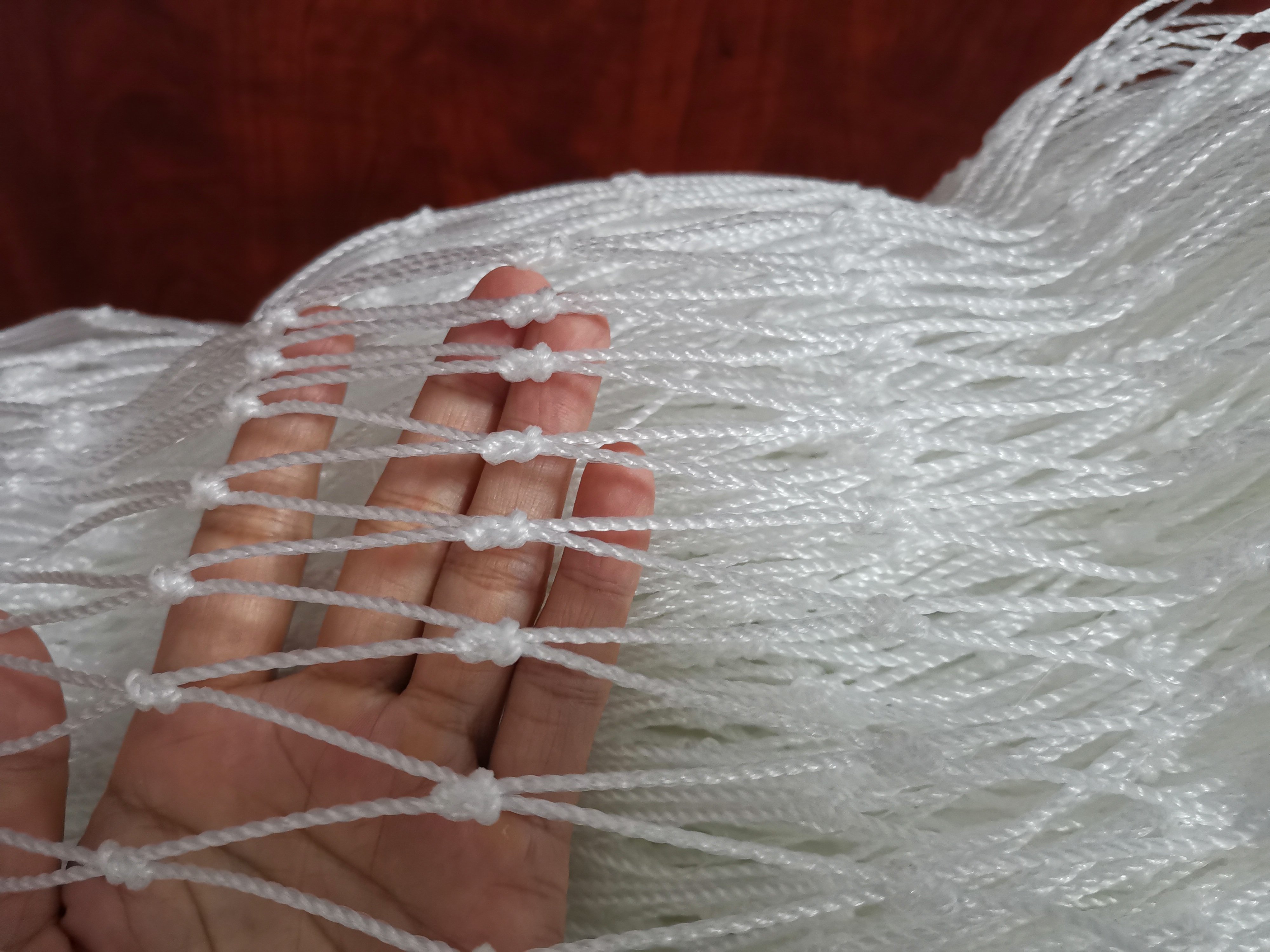
Long-term projects demand careful planning, resource allocation, and risk management at every stage. One critical element that separates successful projects from those plagued by delays and safety incidents is the strategic implementation of customized safety nets. Generic, off-the-shelf safety solutions rarely address the unique challenges that emerge across extended project timelines, varying environmental conditions, and evolving team compositions. Understanding why customized safety nets are indispensable helps project managers, contractors, and safety officers make informed decisions that protect both personnel and project investments.
The complexity of long-term projects means that safety requirements change continuously. Weather exposure, material fatigue, work phase transitions, and regulatory updates all necessitate adaptive safety frameworks. Customized safety nets address these dynamic needs by scaling protection measures in tandem with project evolution. Rather than relying on standardized approaches that may leave critical gaps, tailored safety solutions ensure comprehensive coverage throughout the project lifecycle.
How Customized Safety Nets Adapt to Changing Project Demands
Addressing Variable Environmental Conditions
Long-term projects often span multiple seasons, exposing work areas to rain, wind, dust, and temperature fluctuations. Customized safety nets are engineered specifically for these environmental variables. A construction project running 18 months experiences spring storms, summer heat, autumn wind gusts, and winter precipitation—each requiring different net specifications, tension adjustments, and maintenance protocols. Customized safety nets incorporate materials rated for specific regional climate patterns, ensuring consistent performance throughout the year. Generic nets may degrade prematurely under unexpected seasonal stress, compromising worker safety and project continuity.
Supporting Multi-Phase Work Environments
Projects progress through distinct phases: foundation work, structural assembly, finishing, and final inspections. Each phase presents different hazard profiles and spatial requirements. Customized safety nets are designed with flexibility to relocate, resize, and reconfigure as work zones shift. Early-stage excavation demands different protective coverage than high-rise assembly work. Tailored solutions accommodate these transitions seamlessly, preventing costly delays associated with safety infrastructure changes. Pre-fabricated, generic nets often require complete replacement between phases, whereas customized safety nets adapt modularly to preserve both efficiency and protection.

Why One-Size-Fits-All Safety Solutions Fall Short
The Limitations of Standard Safety Approaches
Standard, mass-produced safety nets are designed for hypothetical average conditions that rarely match real-world project specifics. A customized safety nets approach, by contrast, considers site geometry, team size, equipment dimensions, and operational workflows unique to each project. Long-term projects accumulate variables that standard solutions cannot anticipate: equipment wear, ground settlement, structural load variations, and personnel rotation. When safety nets are not customized, gaps inevitably emerge. Workers adapt workarounds, compliance suffers, and insurance claims spike. Customized safety nets eliminate these dangerous shortcuts by providing precisely calibrated protection that matches actual site conditions.
Cost and Timeline Implications of Generic Systems
Initial savings from generic safety nets often vanish when adjustments, repairs, and replacements become necessary. A 24-month project using standard nets may require emergency modifications six months in, incurring unexpected labor costs and schedule disruptions. Customized safety nets, though requiring higher upfront engineering, eliminate mid-project retrofitting expenses. Over extended timelines, the total cost of ownership strongly favors tailored solutions. Additionally, regulatory bodies increasingly demand documented safety strategies aligned with specific project parameters—something generic systems cannot demonstrate. Customized safety nets come with site-specific certifications and documentation, reducing audit risk and potential fines.
Critical Benefits of Implementing Customized Safety Nets
Enhanced Worker Confidence and Compliance
Teams working under customized safety nets experience demonstrable increases in confidence and safety compliance rates. When workers see that protection systems address their actual working environment—not a generic checklist—they trust the safety infrastructure and follow protocols more consistently. Customized safety nets signal management commitment to site-specific hazard mitigation, which directly correlates with reduced incident rates. Long-term projects benefit enormously from this cultural shift. A 36-month project with properly customized safety nets reports measurably fewer safety violations, near-misses, and lost-time incidents compared to sites relying on standard systems.
Regulatory and Insurance Alignment
Modern safety regulations and insurance requirements increasingly mandate that protection systems match site-specific hazard assessments. Customized safety nets provide auditable evidence that risk mitigation is proportionate and deliberate. Insurance underwriters recognize tailored safety solutions as reducing claim probability, often resulting in lower premiums for long-term projects. Regulatory inspectors, accustomed to finding gaps in generic safety implementations, view customized safety nets as demonstrating advanced risk management discipline. For extended projects, this alignment prevents shutdown orders, accelerates permit approvals, and protects organizational liability—benefits that far exceed the customization investment.
Selecting customized safety nets positions long-term projects for success. The decision to invest in tailored solutions demonstrates commitment to both worker welfare and project completion. Over months or years, this commitment compounds in the form of avoided incidents, retained personnel, maintained schedules, and satisfied stakeholders.
FAQ
What makes customized safety nets different from standard safety nets?
Customized safety nets are engineered to match specific project conditions, including site geometry, climate exposure, work phases, equipment configurations, and regulatory requirements. Standard nets follow generic specifications and often require costly modifications during long-term projects. Customized solutions eliminate mid-project retrofits, ensure consistent protection, and provide documented compliance evidence that regulatory bodies and insurers demand.
How do customized safety nets reduce long-term project costs?
While customized safety nets require higher initial design and engineering investment, they eliminate the hidden costs of standard systems: emergency adjustments, partial replacements, compliance violations, insurance premium increases, and schedule delays. Over 12-month, 24-month, or longer timelines, tailored solutions deliver superior total cost of ownership. Avoiding even one safety incident justifies the customization expense many times over.
Can customized safety nets be adapted if project requirements change?
Yes, properly designed customized safety nets incorporate modular elements and documented adjustment protocols. As project phases transition, work zones expand, or environmental conditions shift, customized systems can be reconfigured without complete replacement. This flexibility makes customized safety nets particularly valuable for long-term projects where change is inevitable. Standard nets typically lack this adaptive capacity.