 EN
EN

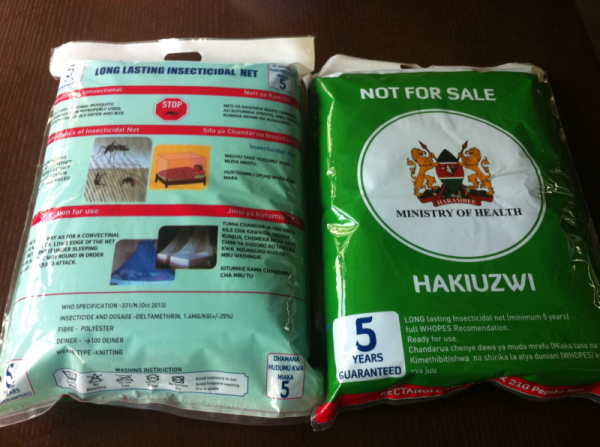
When selecting a mosquito control solution for your home or organization, the choice between treated mosquito nets and regular nets significantly impacts your protection against mosquito-borne diseases like malaria. Treated mosquito nets have become the gold standard in disease prevention efforts across endemic regions, yet many buyers remain uncertain about the practical differences, benefits, and trade-offs involved in choosing treated mosquito nets over conventional alternatives. Understanding these distinctions is essential for making an informed decision that balances effectiveness, longevity, and budget considerations.
The fundamental distinction lies in how treated mosquito nets function compared to regular nets. While both create a physical barrier against mosquitoes, treated mosquito nets incorporate insecticidal coatings or fibers that actively kill or repel insects on contact, whereas regular nets rely solely on mechanical blockage. This chemical enhancement transforms treated mosquito nets from a passive shield into an active defense mechanism, particularly valuable in areas with high malaria transmission rates where mosquitoes are most aggressive during nighttime hours.
How Treated Mosquito Nets Provide Superior Protection
Insecticidal Chemistry and Efficacy
Treated mosquito nets derive their protection advantage from pyrethroid insecticides, typically permethrin or deltamethrin, which are applied during manufacturing or as a post-treatment process. These chemicals are neurotoxins that disrupt insect nervous systems, causing paralysis and death within minutes of contact. Unlike regular nets, treated mosquito nets maintain their killing effect even when mosquitoes briefly touch the fabric without attempting to pass through. This contact-based mechanism makes treated mosquito nets far more effective at reducing mosquito entry attempts, creating a superior barrier in high-transmission environments where mosquito pressure is relentless.
Extended Duration of Protection
A critical advantage of treated mosquito nets is their sustained protective capacity over multiple years. Depending on the treatment process and quality, treated mosquito nets can maintain efficacy for three to five years with proper care, compared to regular nets which offer only physical protection indefinitely but no chemical advantage. This longevity means treated mosquito nets require less frequent replacement, ultimately reducing long-term costs despite higher initial investment. Organizations distributing treated mosquito nets in developing regions calculate that the durability of treated mosquito nets justifies their premium pricing when spread across the years of consistent protection they deliver.

Cost, Maintenance, and Practical Considerations
Initial Investment and Total Cost of Ownership
Treated mosquito nets typically cost 40 to 60 percent more than regular nets at initial purchase, representing a significant budget consideration for individuals and bulk-purchasing organizations. However, the total cost of ownership calculation favors treated mosquito nets when amortized across their longer service life. Regular nets require replacement more frequently if they sustain damage, and they offer no disease prevention advantage beyond physical blocking. When comparing treated mosquito nets to regular alternatives over a five-year period, treated mosquito nets often deliver superior value despite higher upfront costs, particularly in malaria-endemic zones where disease prevention directly translates to healthcare savings.
Care Requirements and Durability
Treated mosquito nets demand careful maintenance to preserve their insecticidal properties and extend their protective lifespan. Gentle hand washing with cool water, avoiding harsh detergents, and air-drying in shade are essential practices for preserving treated mosquito nets. Regular nets tolerate more aggressive washing and handling without degradation, making them simpler to maintain in resource-limited settings. However, the durability advantage of treated mosquito nets often compensates for their stricter care requirements, as fewer washing cycles overall are needed compared to regular nets that may deteriorate faster under tropical humidity and constant use.
Real-World Application and Decision Factors
Suitability by Risk Environment
Treated mosquito nets represent the optimal choice in high-malaria transmission zones, refugee camps, healthcare facilities, and households with vulnerable members including pregnant women and children under five. The World Health Organization and malaria control programs prioritize distributing treated mosquito nets in endemic regions because their superiority over regular nets translates directly to prevented infections and reduced mortality. In low-transmission or temperate zones where mosquitoes pose minimal disease risk, regular nets may suffice for comfort and seasonal pest control. The decision to invest in treated mosquito nets should align with your specific malaria risk profile, regional transmission patterns, and vulnerable population demographics in your area.
Implementation in Institutional Settings
Healthcare facilities, orphanages, schools, and humanitarian organizations increasingly adopt treated mosquito nets as part of integrated disease prevention strategies. Treated mosquito nets provide consistent protection across diverse populations without requiring individual behavioral compliance, making them ideal for settings where residents cannot independently protect themselves. Bulk purchasing of treated mosquito nets often qualifies for donor funding and international grants, reducing net costs for organizations serving economically disadvantaged communities. The institutional adoption of treated mosquito nets demonstrates measurable health outcomes, including reduced malaria case loads and decreased absenteeism in schools and workplaces, justifying their implementation despite higher material costs.
FAQ
How long do treated mosquito nets remain effective?
Treated mosquito nets maintain their insecticidal effectiveness for three to five years under normal use and proper care, though durability varies based on treatment technology and manufacturer specifications. The physical mesh structure may remain functional longer, but the chemical protection that defines treated mosquito nets gradually diminishes over time. Most health organizations recommend replacing treated mosquito nets after the manufacturer's recommended lifespan to ensure consistent disease prevention, though some newer formulations claim extended effectiveness beyond five years.
Can you wash treated mosquito nets like regular nets?
Treated mosquito nets require gentler washing than regular nets to preserve insecticidal coatings and maintain their protective properties. Use cool water, mild soap, and avoid scrubbing or wringing treated mosquito nets aggressively. Air-drying in shade is essential, as direct sunlight can degrade the chemical treatment. While regular nets tolerate hot water and machine washing, treated mosquito nets demand careful hand washing to extend their lifespan and efficacy, making maintenance more involved though still manageable with basic household care.
Are treated mosquito nets safe for children and pregnant women?
Yes, treated mosquito nets using pyrethroids like permethrin have been extensively tested and declared safe for vulnerable populations including children, pregnant women, and nursing mothers by the World Health Organization and medical authorities. The insecticides used in treated mosquito nets are applied at concentrations far below levels that cause harm to humans, and they work through contact with insects rather than through air exposure or ingestion. Pregnant women and young children receive particular emphasis in malaria control programs precisely because treated mosquito nets offer crucial protection for these high-risk groups without adverse health effects.