 EN
EN

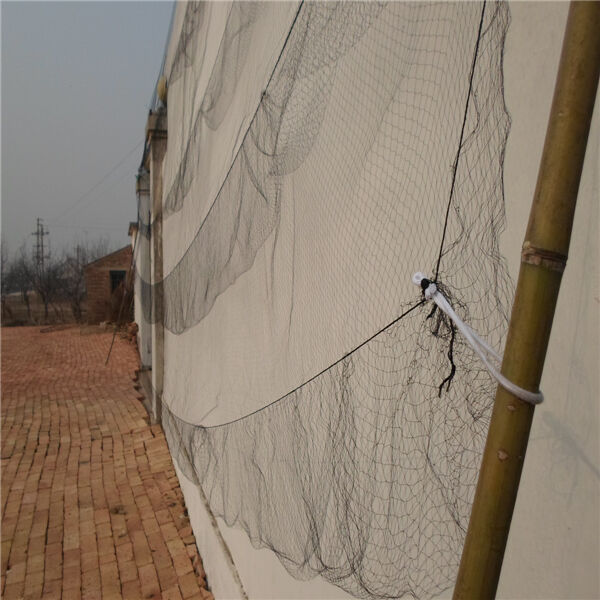
Storskaliga akvakulturanläggningar kräver specialiserad infrastruktur som kan motstå hårda marina miljöer samtidigt som den säkerställer optimal fiskinneslutning och vattencykling. Framgången för kommersiell fiskodling beror i hög grad på utformningen och anpassningen av fiskebäddesnät system som specifikt är konstruerade för stora anläggningar. Att förstå de olika anpassningsmöjligheter som finns för konfigurationer av nät för fiskburar gör det möjligt för akvakulturföretag att optimera sin produktionskapacitet, förbättra fiskens välbefinnande och maximera driftseffektiviteten.
Anpassning av fiskebäddesnät system för stora akvakulturanläggningar innebär en omfattande ansats som tar hänsyn till platsens specifika miljöförhållanden, kraven för målarterna, produktionsvolymerna och den operativa logistiken. Moderna akvakulturanläggningar kräver nät-system som kan anpassas för att hantera olika burdimensioner, maskstorlekar, material egenskaper och mönster för strukturell förstärkning för att säkerställa långsiktig hållbarhet och prestanda i krävande offshore- eller närliggande kustmiljöer.
Materialval och anpassning av specifikationer
Urval av högpresterande polymer
Grunden för alla anpassade nätverk för fiskodlingsburar börjar med valet av lämpliga polymermaterial som motsvarar de specifika kraven för stora akvakulturanläggningar. Nylonmonofilament är fortfarande det föredragna valet för många kommersiella verksamheter tack vare dess exceptionella draghållfasthet, UV-beständighet och flexibilitet vid olika vattentemperaturer. Materialvalets process innebär analys av faktorer såsom förväntad driftstid, lokal vattenkemi, temperatursvängningar samt de specifika beteendemässiga egenskaperna hos den målfiskart som avses.
För stora anläggningar måste materialen för fiskodlingsburarnät konstrueras för att tåla kontinuerlig påverkan av saltvattenkorrosion, biofoulingorganismer samt mekanisk påverkan från fiskrörelser och strömkrafter. Avancerade polymerformuleringar innehåller UV-stabiliseringsmedel, anti-fouling-tillsatser och förstärkt molekylär korslänkning för att förlänga service livslängd och minskar underhållskraven. Anpassningsprocessen inkluderar att ange exakt polymergrad, diameter toleranser och ytbearbetningar som optimerar prestandan för den specifika driftsmiljön.
Anpassning av maskstorlek och konfiguration
Anpassning av maskstorlek utgör en av de mest kritiska aspekterna vid utformning av nät för fiskkärl i stora akvakulturanläggningar. Maskdimensionerna måste beräknas med hög noggrannhet för att förhindra fiskens undflykande samtidigt som tillräcklig vattenström bibehålls för syreutbyte och avfallsbortförsel. Olika fiskarter och tillväxtstadier kräver specifika masköppningsstorlekar, där mindre ungfish kräver finare maskkonfigurationer och större vuxna fiskar tillåter mer öppna maskmönster som minskar dragkrafterna och förbättrar vattencyrkulationen.
Storskaliga verksamheter använder ofta progressiva nätstorleksstrategier, där olika sektioner av nätet för fiskodlingsburar har varierande maskstorlekar för att anpassa sig efter fiskens tillväxt och optimera hydrodynamisk prestanda. Denna anpassningsmetod gör det möjligt for operatörer att bibehålla fiskens inneslutning under hela produktionscykeln samtidigt som behovet av nätbyten minimeras och driftkostnaderna sänks. Nätets konfiguration tar också hänsyn till lokala strömningsmönster, där områden med hög vattenflödeshastighet kräver förstärkta nätstrukturer för att förhindra deformation och potentiella undkomstpunkter.
Strukturteknik och förstärkningsstrategier
Lastfördelning och spänningshantering
Stora akvakulturanläggningar ställer betydande mekaniska krav på nätssystem för fiskkärl, vilket kräver sofistikerade strukturella ingenjörsansatser för att fördela laster och hantera spänningskoncentrationer effektivt. Anpassningsprocessen innebär en detaljerad analys av miljöpåverkan, fiskbiomassalast och hanteringsoperationer för att fastställa de optimala förstärkningsmönstren och strukturella stödkraven. Avancerade metoder för finita elementmodellering hjälper ingenjörer att identifiera kritiska spänningspunkter och utforma lämpliga förstärkningsåtgärder.
Förstärkningsstrategier för nät i fiskkärl för stora installationer inkluderar vanligtvis flera tillvägagångssätt, bland annat perimeterråkar av förstärkt kabel, interna stötnät och strategisk placering av paneler av hög hållfasthet i områden som utsätts för maximal belastning. Anpassningsprocessen tar hänsyn till den specifika kärnens geometri, förväntad fisktäthet och lokala miljöförhållanden för att utveckla förstärkningssystem som ger adekvata säkerhetsmarginaler samtidigt som materialkostnaderna och installationskomplexiteten minimeras.
Modulär design och skalbarhetsfunktioner
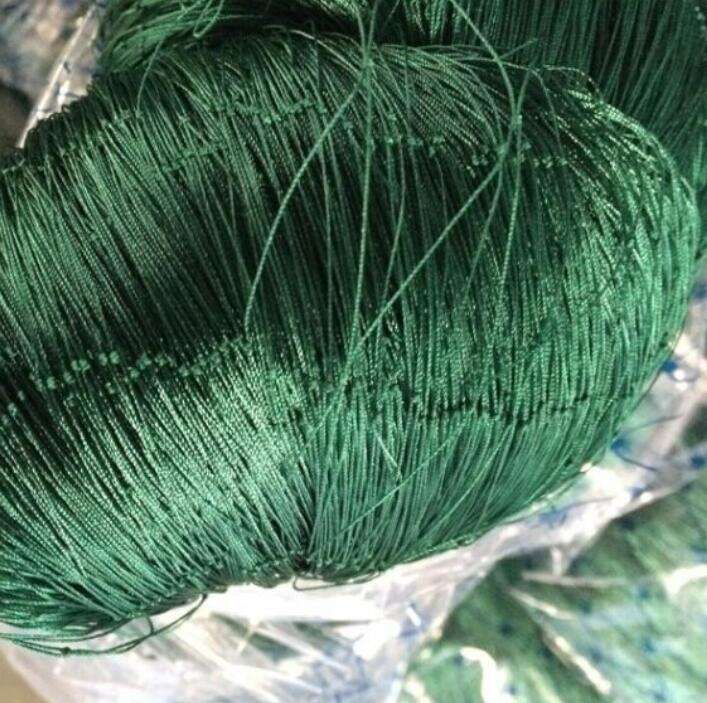
Modern anpassning av fiskkärlsnät för stora installationer betonar modulära designprinciper som möjliggör flexibel systemutbyggnad och effektiva underhållsoperationer. Modulära nätssystem har standardiserade anslutningsgränssnitt, utbytbara panelavsnitt och skalbara bästructurer som kan anpassas till förändrade produktionskrav eller platsförhållanden. Denna strategi gör det möjligt för akvakulturföretag att optimera anläggningens layout och justera kapaciteten enligt marknadsförhållandena och operativ erfarenhet.
Den modulära anpassningsansatsen underlättar också mer effektiva nätanvändnings- och underhållsprocedurer, där enskilda sektioner kan tas bort, rengöras och bytas ut utan att störa hela burssystemet. Stora installationer drar nytta av denna flexibilitet genom att möjliggöra delvisa systemuppgraderingar, målade reparationer och säsongbundna konfigurationsändringar som optimerar prestandan för olika driftfaser. Nätmodulerna för fiskburar är konstruerade med kompatibla anslutningssystem och standardiserade mått som säkerställer sömlös integration och pålitlig långtidsprestanda.
Anpassning till miljö och prestandaoptimering
Miljööverväganden specifika för platsen
Anpassning av nätbaserade fiskodlingskärl för stora akvakulturanläggningar kräver en omfattande analys av plats-specifika miljöförhållanden som påverkar nätens prestanda och hållbarhet. Faktorer såsom vattentemperaturintervall, salthaltsnivåer, strömhastigheter, våghöjder och säsongsmässiga väderförhållanden påverkar alla designkraven och materialspecifikationerna för optimal systemprestanda. Anpassningsprocessen innefattar en detaljerad miljöbedömning och modellering av långsiktig prestanda för att säkerställa att nätssystemet kan tåla de mest utmanande förhållandena som förväntas vid installationsplatsen.
Stora installationer i utsatta marina miljöer står inför ytterligare utmaningar från stormhändelser, extrema strömmar och potentiell påverkan av drivgods, vilket kräver specialiserade designöverväganden. Anpassningsprocessen för nät till fiskkärl inkluderar åtgärder för nödlaster, snabb distribution och återhämtning samt förbättrade synlighetsfunktioner för navigeringssäkerhet. Anpassning till miljön tar också hänsyn till lokala faktorer i det marina ekosystemet, där nätens konstruktion är optimerad för att minimera miljöpåverkan samtidigt som effektiv fiskinneslutning och produktionseffektivitet bibehålls.
Förbättrad hydrodynamisk prestanda
Den hydrodynamiska prestandan hos nät för fiskodlingsburar påverkar i betydande utsträckning både driftseffektiviteten och fiskens välbefinnande i stora akvakulturanläggningar. Anpassningsinsatser fokuserar på att optimera nätets geometri, maskorientering och ytegenskaper för att minimera luftmotståndskrafter, förbättra vattencyrkulationen och minska energiförluster från ström och vågrörelse. Avancerad beräkningsfluidodynamisk modellering hjälper ingenjörer att förutsäga flödesmönster och optimera nätkonfigurationer för specifika platsförhållanden och buranordningar.
Hydrodynamisk anpassning av nät för fiskodlingsburar inkluderar hänsyn till självrengörande egenskaper, minskad ackumulering av biofouling och förbättrade sympåförsörjningshastigheter genom hela burvolymen. Nätets design inkluderar funktioner såsom strömlinjeformade profiler, optimerade maskvinklar och strategisk placering av flödesförstärkande element som främjar konsekvent vattenrörelse och förhindrar stillastående zoner som kan påverka fiskens hälsa och tillväxt negativt. Stora installationer drar nytta av dessa hydrodynamiska förbättringar genom lägre driftkostnader, förbättrad produktionseffektivitet och förstärkt miljökonformitet.
Integration med stödsystem och driftkrav
Kompatibilitet med förtöjnings- och ankarssystem
Stora akvakulturanläggningar kräver nätssystem för fiskkärl som integrerar sömlöst med sofistikerad förtöjnings- och ankarinfrastruktur, utformad för att bibehålla en stabil position i utmanande marina miljöer. Processen för anpassning av nät inkluderar en detaljerad analys av lastöverföringsmekanismer, förstärkning av anslutningspunkter samt kompatibilitet med olika konfigurationer av förtöjningssystem. Nätets design för fiskkärl måste ta hänsyn till de dynamiska krafter som överförs genom förtöjningssystemet, samtidigt som strukturell integritet och effektiv fiskinneslutning bibehålls.
Anpassning för stora installationer innebär ofta specialiserad anslutningsutrustning, förstärkta fästpunkter och lastfördelningssystem som kopplas direkt till den primära förtöjningsinfrastrukturen. Nätets systemdesign tar hänsyn till förväntat rörelseområde, lastcyklingsmönster och möjligheten till extrema lasthändelser som kan belasta anslutningspunkterna mellan nätet och stödstrukturerna. Avancerade material och konstruktionstekniker säkerställer pålitlig långtidspålitlighet för dessa kritiska gränssnittskomponenter.
Driftåtkomst och underhållskrav
Anpassningen av nätbaserade fiskkärlssystem för storskaliga installationer måste ta hänsyn till driftkraven för rutinunderhåll, fiskavverkning och systeminspektioner. Storskaliga verksamheter kräver nätutformningar som underlättar effektiv tillgänglighet för dykare, fjärrstyrda fordon och mekanisk hanteringsutrustning som används i dagliga driftoperationer. Anpassningsprocessen inkluderar förseende med inspektionsportar, underhållsåtkomstpaneler och specialanordnade fästpunkter för hanteringsutrustning, vilket effektiviserar driftförfaranden och minskar arbetslönekostnader.
Anpassning av nät för fiskkärl tar också hänsyn till logistiken kring utbyte, rengöring och reparation av nät, vilka är avgörande för att bibehålla systemets prestanda under långa driftperioder. Stora installationer drar nytta av nätutformningar som inkluderar modulära utbytesmöjligheter, standardiserade hanteringsgränssnitt och kompatibilitet med automatiserade rengörings- och inspektionssystem. Anpassningsprocessen säkerställer att operativa krav balanseras mot strukturell prestanda och kostnadsaspekter för att optimera det totala livscykelvärdet för investeringen i nätssystemet.
Vanliga frågor
Vilka faktorer avgör kraven på maskstorlek för nät i fiskkärl i stora akvakulturanläggningar?
Kraven på maskstorlek för nät i fiskodlingsburar i stora anläggningar bestäms av flera kritiska faktorer, inklusive den målfiskart som avses och deras storleksomfång under hela produktionscykeln, lokala strömhastigheter och deras inverkan på vattencykling, predatortryck och behovet av skydd samt regleringskrav för att förhindra undflykande fisk. Maskorna måste vara tillräckligt små för att hålla kvar den minsta fisken, men samtidigt tillräckligt stora för att säkerställa en adekvat vattenströmning för syreutbyte och avfallsbortförsel. Professionella akvakulturingenjörer utför vanligtvis artspecifika analyser och hydrodynamisk modellering för att fastställa optimala maskkonfigurationer för varje enskild anläggning.
Hur lång tid tar vanligtvis anpassningsprocessen för storskaliga fiskodlingsburarnät?
Anpassningsprocessen för nätbassänger för fiske i stora akvakulturanläggningar kräver vanligtvis 8–16 veckor från den inledande designkonsultationen till slutlig leverans, beroende på kravens komplexitet och tillverkningskapaciteten. Denna tidsram inkluderar platsbedömning och miljöanalys (2–3 veckor), detaljerad konstruktion och utveckling av designen (3–4 veckor), inköp av material och kvalitetstestning (2–3 veckor), tillverkning och kvalitetskontroll (4–6 veckor) samt slutlig inspektion och förberedelse inför frakt (1–2 veckor). Komplexa anläggningar med unika miljöutmaningar eller specialiserade prestandakrav kan kräva extra tid för prototyp-testning och designvalidering.
Vilka underhållsaspekter bör inkluderas i anpassningen av nätbassänger för fiske vid storskaliga verksamheter?
Underhållsöverväganden för anpassning av nät för fiskkärl i storskaliga verksamheter inkluderar utformning för enkel inspektionsåtkomst med minimal störning för fisken, införande av modulära komponenter som kan bytas ut eller underhållas individuellt, angivande av material och beläggningar som motstårbiofouling och korrosion samt säkerställande av kompatibilitet med mekaniska rengörings- och hanteringsutrustningar. Anpassningen bör även omfatta åtgärder för nödrepairs, säsongsbundna underhållsscheman samt integration med övervakningssystem som kan upptäcka nätskador eller försämrad prestanda. En korrekt underhållsplanering under anpassningsfasen förlänger nätens livslängd avsevärt och minskar driftskostnaderna.
Kan nät för fiskkärl anpassas för att rymma flera fiskarter i samma installation?
Ja, nätbaserade fiskodlingskassystem kan anpassas för att ta emot flera fiskarter inom samma stora installation genom zonbaserade designlösningar, variabla nätkonfigurationer och artspecifika inneslutningsstrategier. Denna anpassning innebär vanligtvis att skapa separata kasseavdelningar med olika nätstorlekar och material som är optimerade för respektive art, införa barriärsystem för att förhindra blandning av arter samt utforma en flexibel infrastruktur som kan omkonfigureras för olika produktionscykler. Anpassning för flera arter kräver noggrann bedömning av arters ömsesidiga kompatibilitet, olika tillväxthastigheter, varierande miljökrav och driftslogistik för att säkerställa optimal prestanda för alla målarter samtidigt som biosäkerhet och produktionseffektivitet bibehålls.
Innehållsförteckning
- Materialval och anpassning av specifikationer
- Strukturteknik och förstärkningsstrategier
- Anpassning till miljö och prestandaoptimering
- Integration med stödsystem och driftkrav
-
Vanliga frågor
- Vilka faktorer avgör kraven på maskstorlek för nät i fiskkärl i stora akvakulturanläggningar?
- Hur lång tid tar vanligtvis anpassningsprocessen för storskaliga fiskodlingsburarnät?
- Vilka underhållsaspekter bör inkluderas i anpassningen av nätbassänger för fiske vid storskaliga verksamheter?
- Kan nät för fiskkärl anpassas för att rymma flera fiskarter i samma installation?