 EN
EN


השוק העולמי עבור רשת נגד יתושים מוצרים חווה צמיחה ללא תקדים בעשור האחרון, כתוצאה מהתגברות המודעות למחוללים ומיוזמות בריאות הציבור ברחבי העולם. מחסומים הגנתיים חיוניים אלו מהווים את קו ההגנה הראשון נגד מלריה, חום הדנגי ותחלואים אחרים שמועברים על ידי יתושים ואשר פוגעים במיליונים של אנשים מדי שנה. הבנת הגורמים המשפיעים על הביקוש למוצרי רשתות נגד יתושים היא קריטית לייצרנים, מפיצים וארגונים לבריאות הציבור העוסקים במאבק בתחלואים הניתנים למניעה הללו.
מניעת מחלות ויוזמות בריאות הציבור
תוכניות לבקרת מלריה
המלאריה נותרת אחת הגורמים המובילים למוות באפריקה שמדרום לסהרה, במיוחד בקרב ילדים מתחת לחמש שנים. המציאות האכזרית הזו גרמה לארגונים בינלאומיים, לממשלות ולארגונים לא ממשלתיים להשקיע כבד בדרכי מניעת המלאריה. רשתות יתושים משובצות חומרים רעילים לטווח ארוך מהוות את הפעולה היעילה ביותר מבחינת עלות-תועלת למניעת המלאריה, ויוצרות ביקוש גדול לרשתות יתושים באיכות גבוהה באזורים הנגועים. ארגון הבריאות העולמי מעריך כי השימוש הנכון ברשתות מעובדות יכול לצמצם את תהליך השדרוג של המלאריה עד 50% באזורים עם עומס גבוה.
קמפיינים של הפצה המונית שמתואמים על ידי ארגונים כמו הקרן הגלובלית למאבק באיידס, שחפת ומלאריה יצרו מחזורי ביקוש צפויים למוצרי רשתות נגד יתושים. תוכניות הקנייה בקנה מידה גדול אלו דורשות מיליוני רשתות מדי שנה, מה שדוחף את היצרנים להגביר את קצב הייצור ולשפר את היעילות הכלכלית. הצלחת התוכניות הללו הדגימה את התפקיד החיוני שממלאים מוצרי רשתות נגד יתושים בהפחתת שיעורי תמותת ילדים ושיפור תוצאות הבריאות הכללית בקהילות האזורים הנפגעים.
איומים חדשים ממחלות נגועות על ידי וקטורים
השינוי האקלימי והעירון הרחיבו את התחום הגאוגרפי של יתושים המפיצים מחלות, מה שיצר שווקים חדשים למוצרי רשתות נגד יתושים מעבר לאזורים האנדמיים המסורתיים. התפשטות יתושי הסוג Aedes aegypti, אשר מפיצים את חום הדנגי, החיקונגוניה וウירוס הזיקה, יצרה ביקוש לפתרונות הגנה באזורי אוכלוסייה שלא נפגעו מהם בעבר. הרחבה זו השפיעה במיוחד על אמריקה הלטינית, דרום מזרח אסיה וחלקים בדרום ארצות הברית, שם צרכנים מחפשים באופן גובר הגנה אמינה מפני האיום החדש הזה.
רשויות הבריאות הציבורית באזורים חדשים שנדבקו מודעות לאهمות של אמצעי בקרת הוקטורים המונעים, כולל קידום ציוד הגנה אישי כמו רשתות יריה מעובדות. האופי הלא ניבא של התפרצויות מחלות גרם להגבהה מוגברת של מלאי מוצרים של רשתות יריה על ידי ארגונים ממשלתיים ופרטיים, מה שיצר דפוסי ביקוש יציבים יותר ועודד השקעה ביכולות ייצור מקומיות.
פיתוח כלכלי ותשתיות בריאות
חיזוק מערכת הבריאות
מדינות מתפתחות שמביאות שיפור בתשתיות הבריאות שלהן משלבות באופן הולך וגובר אסטרטגיות של בקרת וקטורים במדיניות הבריאות הלאומית שלהן. ככל שמדינות משקיעות בהתפתחות מערכות הבריאות שלהן, הן מודעות לכך שהנעה יעילת עלות יותר מאשר טיפול, מה שמוביל להגדלת רכישת מוצרים של רשתות נגד יתושים דרך תוכניות בריאות ציבורית. ביקוש מוסדי זה יוצר זרמי הכנסות אמינות לייצרנים, תוך תמיכה במטרות בריאות הציבור הרחבות בהקשרים עם משאבים מוגבלים.
השילוב של הפצת רשתות נגד יתושים למערכות מסורתיות של ספקי שירותי בריאות יצר ערוצי ביקוש עמידים שמתפשטים מעבר למצבים של תגובה חירום. כיום, תוכניות טיפול קדם-לידתי מפיצות באופן שגרתי רשתות לנשים בהריון, בעוד שמערכת החיסונים כוללת לעיתים קרובות את הפצת הרשתות כחלק מחבילות בריאות ילדים מקיפות. הגישה השיטתית הזו ל מוצרים של רשתות נגד יתושים הקים דפוסי ביקוש צפויים שמאפשרים השקעות ארוכות טווח ביצור ובשרשרת האספקה.
צמיחה כלכלית וכוח הקנייה של הצרכנים
רמות ההכנסה הגואות במדינות מתפתחות אפשרו ליותר משקי בית לרכוש מוצרי רשת נגד יתושים באופן עצמאי, מה שמפחית את התלות בתוכניות הפצה במימון תורמים. מעבר זה לכיוון ביקוש מבוסס שוק עודד חדשנות וגיוון מוצרים, כאשר יצרנים מפתחים אפשרויות פרימיום לצד רשתות מגן בסיסיות. הופעתם של צרכנים מהמעמד הבינוני במדינות כמו הודו, ניגריה ואינדונזיה יצרה פלחי שוק חדשים המוכנים לשלם מחירים גבוהים יותר עבור תכונות משופרות כגון עמידות משופרת, מראה אסתטי ופונקציונליות רב-תכליתית.
התפתחות כלכלית תמכה גם בגדילה של היכולות התעשייתיות המקומיות לייצור מוצרים לרשתות נגד יתושים, מה שמביא להפחתת התלות בייבוא ויצירת שרשראות אספקה יותר תוספות. מתקני ייצור פנימיים יכולים להתאים את עצמם טוב יותר להעדפות ולדרישות המקומיות, ובמקביל לספק הזדמנויות תעסוקה שתרומתן למטרות התפתחות כלכלית רחבות יותר. מגמה זו של לוקליזציה הייתה בולטת במיוחד באפריקה המזרחית, שבה מספר מדינות הקימו מרכזי ייצור טקסטיל שמתמקדים באופן ספציפי בייצור מוצרים לרשתות נגד יתושים לשוק האזורי.
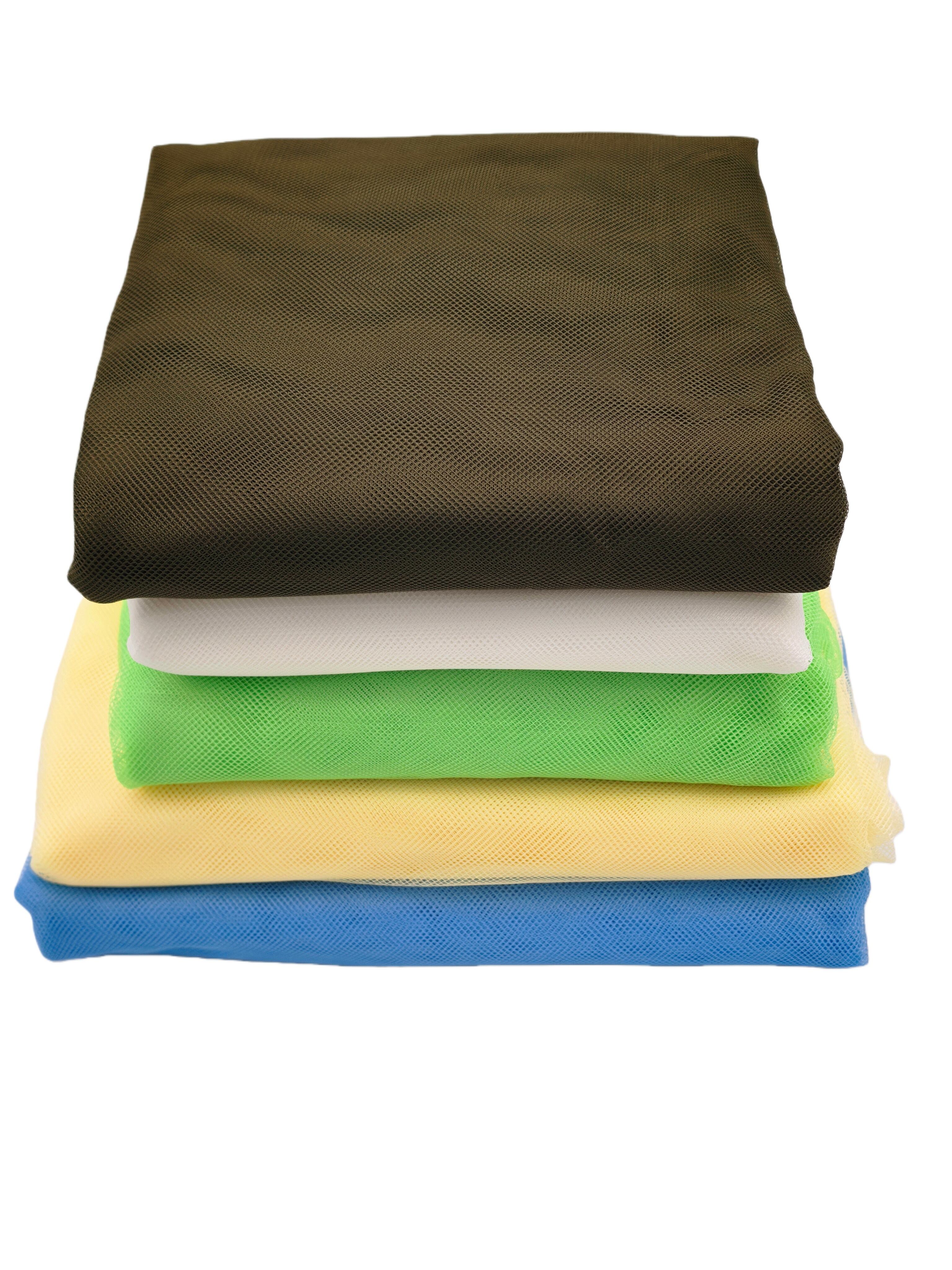
התקדמות טכנולוגית וחדשנות במוצר
שיפור טיפול במبيد חרקים
התקדמויות בטכנולוגיית החרקים שיפרו באופן משמעותי את האפקטיביות והעמידות של מוצרי רשתות נגד יתושים, מה שגרם להגביר את הביקוש להחלפה ולחיזוק צמיחת השוק. הפיתוח של רשתות מטופלות בחרקים לטווח ארוך, אשר שומרות על אפקטיביותן למשך שלוש עד חמש שנים, הקטין את תדירות ההחלפות הנדרשות תוך שיפור אמון המשתמשים בטכנולוגיה. חדשנות זו הייתה חשובה במיוחד בהתמודדות עם התנגדות לחרקים, אשר מהווה איום על האפקטיביות המתמשכת של מוצרי רשתות נגד יתושים מסורתיים באזורים מסוימים.
מרכיבים פעילים חדשים וטיפולי שילוב נכללים כעת במוצרי רשתות נגד יתושים כדי להתמודד עם דפוסי התנגדות מתפתחים של יתושים. סינרגיסטים של פיפרוניל בוטוקסיד ומחלקות חרקנים חדשות מאריכים את תקופת השימוש ברשתות המועבות, תוך שמירה על רמות הגנה גבוהות נגד אוכלוסיות יתושים עמידות. שיפורים טכנולוגיים אלו מצדיקים תמחור פרימיום ויוצרים הזדמנויות לייצרנים להבחין בין מוצרי הרשתות שלהם בשווקים הולכים ונהיים תחרותיים יותר.
מדע החומרים והновציות בייצור
השפרות בטכנולוגיית סיבי הפוליאסטר והפוליאתילן שיפרו את העמידות וחוות המשתמש של מוצרים של רשתות נגד יתושים, מבלי להעלות משמעותית את עלויות הייצור. טכניקות אריגה מתקדמות יוצרות בדדים חזקים יותר ומנושמים יותר אשר שומרים על תכונות ההגנה שלהם תוך כדי אספקת נוחות רבה יותר למשתמשים. חדשנות חומרית זו הייתה קריטית בפתרון בעיות קבלת המשתמש שהגבילה בעבר את האפקטיביות של תוכניות ההתפלגות בקהילות מסוימות.
חדשנות בתהליכי היצור הקטינה את עלויות הייצור תוך שיפור עקביות האיכות של מוצרים לרשתות נגד יתושים. מערכות חיתוך ותפירה אוטומטיות מבטיחות ממדים מדויקים ומפחיתות בזבוז, בעוד שמערכות מתקדמות לבקרת איכות מבטיחות שכל רשת עומדת בסטנדרטים הבינלאומיים לגודל הנקבים ולתכולת החומר הרעיל לחרקים. שיפורים אלו אפשרו לייצרנים להציע תעריפי תחרותיים תוך שמירה על סטנדרטים גבוהים של איכות הנדרשים ליישומים בריאות ציבוריים.
הסביבה التنظימית והסטנדרטים הבינלאומיים
האשכלה המוקדמת של ארגון הבריאות העולמי (WHO) ומבטח האיכות
התוכנית של ארגון הבריאות העולמי לאישור מוקדם הקימה סטנדרטים מחמירים לאיכות שמעוררים ביקוש למוצרי רשתות נגד יתושים באישורים בינלאומיים. תהליך האישור הזה מבטיח שרשתות עומדות בקריטריונים מסוימים בשלמות הפיזית, בתכולת החרקן וביעילות הביולוגית, מה שמייצר יתרון תחרותי ליצרנים המשקיעים במערכות התאמה. דרישה לאישור מוקדם יצרה למעשה שוק דו-שלבי, שבו מוצרים מאושרת זוכים למחירים פרימיאליים ולהתחייבות נפח מובטחת מצד קונים גדולים.
ההתאמה לסטנדרטים בינלאומיים הפכה חשובה יותר ויותר, כיוון שمانיחי התרומות והמשטרות דורשים אחריות על ההשקעות בריאות הציבור. הדגש על בקרת האיכות גרם לאיחוד בין יצרני רשתות נקישה, כיוון שיצרנים קטנים מתקשים לעמוד בדרישות הטכניות והמנהליות לאישור. מגמה זו הניבה תועלת לייצרנים מוכרים שיכלו לנצל את יתרונות היקף כדי לשמור על תעריפי תחרותיים תוך עמידה בסטנדרטים המתחממים של האיכות.
מסגרות רגולטוריות לאומיות
מדינות בודדות מפתחות תקנים לאומיים ודרישות רישום למוצרי רשתות נגד יתושים, מה שמייצר מנועי ביקוש נוספים ומפריעים לכניסה לשוק. התקנות הללו מציינות לעתים קרובות את קריטריוני הביצוע המינימליים, דרישות התוויות והפרוטוקולים להפצה, אשר משפיעים על עיצוב המוצר ואסטרטגיות השיווק שלו. היצרנים חייבים לנווט בסביבות التنظימיות המגוונות הללו תוך כדי ודאות כי מוצרי הרשתות שלהם נותרות זולות מספיק לתכניות הפצה המונית.
התפתחות היכולת التنظימית הלאומית יצרה גם הזדמנויות לשירותי בדיקות ואישורים מקומיים, מה שמביא לירידה בתלות במתקנים בינלאומיים ובקיצור זמני האישור. התפתחות תשתית הרегולציה הזו תומכת בצמיחת מרכזי ייצור אזוריים ויוצרת שרשראות אספקה יותר תואמות לצרכים למוצרי רשתות נגד יתושים. מדינות עם מסגרות רגולטוריות חזקות מצליחות למשוך באופן גובר השקעות זרות במרחבים לייצור מקומי, מה שמעודד עוד יותר את פיתוח השוק.
דינמיקת שרשרת האספקה וגישה לשוק
פיתוח רשת הפצה
הרחבת רשתות ההתפלגות באזורים כפריים ומרוחקים הייתה קריטית להגברה של הגישה למוצרי רשתות נגד יתושים באוכלוסיות הפגיעות ביותר למחוללים מועברים על ידי עצמים. ההשקעה בתשתיות תחבורה וביכולות משלוח עד הנקודה האחרונה אפשרה לייצרנים ומפיצים להגיע לשווקים שהיו בלתי נגישים בעבר. הגישה שופרה זו לשוק enthcovered ביקוש נסתר משמעותי למוצרי רשתות נגד יתושים באזורים שבהם מחסומים גאוגרפיים אילצו בעבר את הזמינות.
אסטרטגיות שותפות בין יצרנים בינלאומיים ומחזיקים מקומיים יצרו שרשראות אספקה יעילות יותר למוצרי רשתות נגד יתושים, תוך תמיכה בהתפתחות הכלכלה המקומית. הסדרים הללו כוללים בדרך כלל העברת טכנולוגיה ויוזמות לבניית יכולות שמשפרות את היכולות המקומיות, תוך הבטחת איכות וזמינות עקביות של המוצרים. הצלחת השותפויות הללו גרמה להשקעות נוספות בתשתיות הפצה וביכולות ייצור מקומיות.
מנגנוני רכישה ומזומנים
מנגנוני מימון חדשניים הרחיבו את הגישה למוצרי רשתות נגד יתושים, על ידי פתרון מחסומים של מחיריות שמגבילים את חדירת השוק לקהילות עם הכנסות נמוכות. תוכניות מיקרו-מימון, תכניות תעריפי סובסידיה ואפשרויות תשלום בתקופות, אפשרו למשפחות להשקיע במוצרים מגנים שיכולים להיות מחוץ להישג ידן הכספי. חדשנות זו במימון יצרה מקטעי שוק חדשים והדגימה את היתכנותם של גישות ברות קיימא, מבוססות שוק, לבקרת וקטורים.
יוזמות רכישה משותפת אפשרו למדינות קטנות יותר וארגונים להשיג תופעות קנה מידה בעת רכישת מוצרים של רשתות נגד יתושים, מה שמביא להפחתת עלות היחידה ושיפור הגישה לאפשרויות באיכות גבוהה. גישות שיתופיות אלו היו יעילות במיוחד באזורים שבהם מדינות בודדות אינן מחזקות את כוח הרכישה כדי לנהל משא ומתן על תנאים נוחים עם יצרנים בינלאומיים. הצלחת היוזמות הללו עודדה שיתופי פעולה נוספים ומאמצי סטנדרטיזציה שמהנים הן את הקונים והן את המוכרים בשוק הגלובלי של מוצרים של רשתות נגד יתושים.
שאלה נפוצה
איך שינוי האקלים וגורמים סביבתיים משפיעים על הביקוש למוצרים של רשתות נגד יתושים?
השינוי האקלימי משפיע על הביקוש למוצרים של רשתות נגד יתושים דרך מסלולים מרובים, כולל הארכת עונות ההזדהות של היתושים, הרחבת הטווח הגאוגרפי של וקטורי המחלות, והחזרה בתדירות של אירועים אקסטרמליים באקלים שמעכבים תוכניות בקרת וקטורים. העלייה בטמפרטורות ושינויי דפוסי המשקעים יוצרים תנאים מתאימים יותר להתרבות היתושים באזורים שהיו טמפרטורים בעבר, מה שיוצר ביקוש חדש לציוד הגנה. בנוסף, אירועים אקסטרמליים באקלים יכולים לפגוע ברשתות הקיימות ולשבש מערכות הפצה, מה שיוצר קפיצות פתאומיות בביקוש להחלפה שיצרנים חייבים להיות מוכנים לעמוד בהן.
אילו תפקיד ממלאות סיוע בינלאומי ומזומני תורמים בשוקי מוצרים של רשתות נגד יתושים?
מימון בין-לאומי מתרומת תורמים נשאר המניע העיקרי לדרישה למוצרי רשתות נגד יתושים במדינות רבות עם עומס גבוה, כאשר ארגונים כגון הקרן הגלובלית, הסוכנות האמריקאית לפיתוח בינלאומי (USAID) והיוניסף קונים מדי שנה מיליוני רשתות להפצה בתוכניות שונות. הדemand שמתבסס על תורמים יוצר מחזורים צפויים יחסית של רכישות, אך גם גורם לשוק להיות פגיע לשינויים במערכת העדיפויות ובגובה המימון הבין-לאומי. יצרנים התאימו את עצמם לדינמיקה הזו על ידי פיתוח יכולות ייצור גמישות ותחזוקת קשרים עם מספר ארגוני תורמים כדי לגוון את בסיס הלקוחות שלהם ולמזער את התלות בכל מקור מימון יחיד.
איך עמדות תרבותיות וקבלת הקהילה משפיעות על האימוץ של מוצרי רשתות נגד יתושים?
גורמים תרבותיים משפיעים באופן משמעותי על האימוץ והשימוש הנכון במוצרי רשתות נגד יתושים, כאשר קבלת הקהילה משתנה בהתאם לאמונות המקומיות, למנהגים בשינה ולנורמות החברתיות. מסעות חינוך ותוכניות מעורבות קהילתית הוכחו כחיוניים להגעה לעקירת התנגדות ולוודא שהרשתות שמתפזרות משומשות בצורה נכונה וקבועה. יצרנים מתחשבים יותר ויותר בהעדפות תרבותיות בעיצוב המוצרים, ומייצרים רשתות בצבעים, דפוסים ומופעים שמשדרים את הקהילות הספציפיות תוך שמירה על היעילות ההגנתית שלהן.
אילו מגמות צומחות עתידיות עתידיות ישפיעו ככל הנראה על הביקוש לעתיד של מוצרי רשתות נגד יתושים?
הביקוש לעתיד למוצרי רשתות נגד יתושים יושפע ככל הנראה מספר מגמות צומחות, ביניהן פיתוח טכנולוגיות חיסוניות חדשות למאבק בהתנגדות, שילוב טכנולוגיות חכמות למערכת ניטור של השימוש והיעילות, וצמיחה בתהליכי ייצור ידידותיים לסביבה וברות-קיימא. בנוסף, התהליך של עירון במדינות מתפתחות יוצר קטעי שוק חדשים עם דרישות ודפוסי רכישה שונים בהשוואה לשוק החקלאי המסורתי. מגמות אלו מרמזות על צמיחה והתפתחות מתמשכת בתעשיית מוצרי רשתות נגד יתושים, תוך התאמה לדפוסי מחלה משתנים, יכולות טכנולוגיות ודפוסי העדפות של הצרכנים.
תוכן העניינים
- מניעת מחלות ויוזמות בריאות הציבור
- פיתוח כלכלי ותשתיות בריאות
- התקדמות טכנולוגית וחדשנות במוצר
- הסביבה التنظימית והסטנדרטים הבינלאומיים
- דינמיקת שרשרת האספקה וגישה לשוק
-
שאלה נפוצה
- איך שינוי האקלים וגורמים סביבתיים משפיעים על הביקוש למוצרים של רשתות נגד יתושים?
- אילו תפקיד ממלאות סיוע בינלאומי ומזומני תורמים בשוקי מוצרים של רשתות נגד יתושים?
- איך עמדות תרבותיות וקבלת הקהילה משפיעות על האימוץ של מוצרי רשתות נגד יתושים?
- אילו מגמות צומחות עתידיות עתידיות ישפיעו ככל הנראה על הביקוש לעתיד של מוצרי רשתות נגד יתושים?