 EN
EN


Public health programs across the globe rely on strategic interventions to combat vector-borne diseases, and the treated mosquito net has emerged as one of the most cost-effective and life-saving tools available. A treated mosquito net provides a physical barrier while delivering potent insecticidal protection, making it instrumental in reducing malaria, dengue, and other mosquito-borne illnesses in vulnerable populations. Bulk distribution of the treated mosquito net has transformed disease prevention in endemic regions, enabling governments and health organizations to reach millions of people simultaneously and establish sustained protection across entire communities.
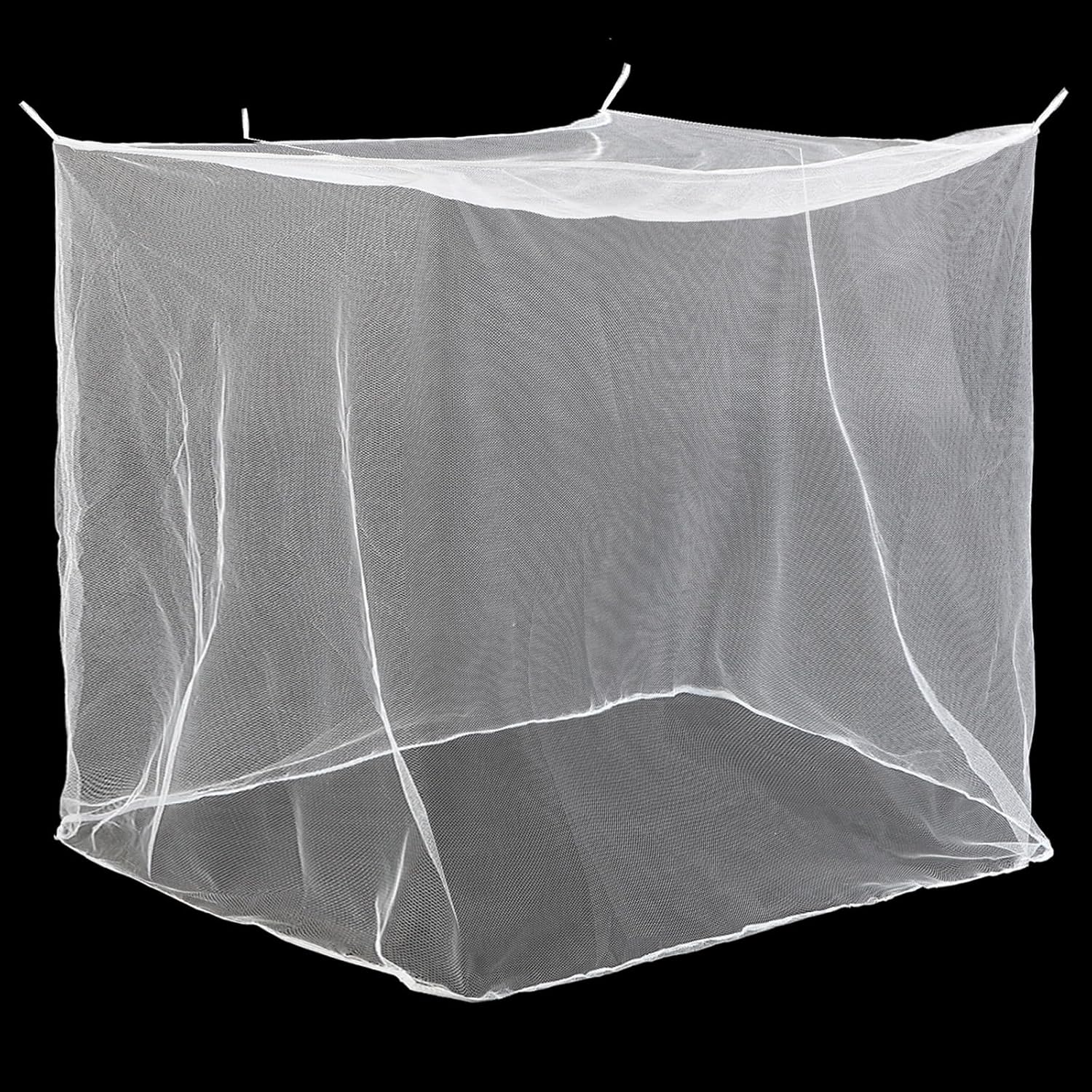
The urgency of deploying bulk treated mosquito nets stems from epidemiological realities: malaria alone causes hundreds of thousands of deaths annually, with children under five and pregnant women bearing the heaviest burden. A treated mosquito net works through two complementary mechanisms—physical exclusion and chemical defense—creating a protective microenvironment where individuals sleep, the period of highest transmission risk. When implemented at scale through bulk procurement and distribution, the treated mosquito net becomes a population-level intervention capable of shifting disease burden and saving lives in resource-limited settings.
The Critical Role of Treated Mosquito Nets in Disease Prevention
How Treated Mosquito Nets Reduce Transmission
The treated mosquito net functions through active and passive defense mechanisms that interrupt malaria transmission cycles. The insecticidal coating on a treated mosquito net kills or repels Anopheles mosquitoes, the primary malaria vector, preventing them from biting sleeping individuals. This dual protection—physical barrier plus chemical deterrent—significantly reduces infection rates in populations with consistent access to treated mosquito nets. Public health research demonstrates that households using a treated mosquito net experience 50 percent or greater reductions in malaria incidence compared to unprotected populations. The efficacy of a treated mosquito net extends across multiple transmission seasons, making bulk distribution a sustainable, long-term prevention strategy rather than a temporary intervention.
Population-Level Impact and Herd Protection
When public health programs distribute bulk treated mosquito nets across an entire region, the benefits extend beyond individual users to create community-level protection. Even non-users gain indirect protection because the local mosquito population density declines when a significant portion of the community uses treated mosquito nets consistently. This herd protection effect amplifies the public health value of bulk distribution, meaning a treated mosquito net program protects a far larger population than the number of nets physically distributed. Communities with high treated mosquito net coverage experience measurably lower disease transmission across all age groups, reducing healthcare burdens and improving economic productivity.
Strategic Implementation of Bulk Treated Mosquito Net Programs
Supply Chain Efficiency and Cost Effectiveness
Public health programs choose bulk procurement of treated mosquito nets because economies of scale dramatically reduce per-unit costs, making widespread distribution financially feasible in low-income regions. A treated mosquito net purchased in bulk costs significantly less per unit than individual retail purchases, allowing health authorities to allocate limited budgets toward maximum population coverage. Bulk ordering also streamlines supply chains, reducing logistical complexity and ensuring consistent availability of treated mosquito nets in storage facilities and distribution centers. When health programs leverage bulk purchasing power, they can allocate resources toward complementary interventions—training, surveillance, and behavior change communication—that maximize the effectiveness of each distributed treated mosquito net.
Distribution Strategy and Community Engagement
Successful bulk treated mosquito net programs combine efficient distribution infrastructure with community engagement that ensures proper net use and maintenance. Health workers trained through public health programs educate families on hanging a treated mosquito net correctly, caring for the material to extend durability, and sleeping consistently under the treated mosquito net. Targeted distribution campaigns prioritize high-risk groups—young children, pregnant women, and individuals in high-transmission zones—ensuring that each treated mosquito net reaches the population most vulnerable to severe disease. Community health workers serve as trusted advocates, explaining how a treated mosquito net provides family protection and connecting distributions with routine health services like immunizations and antenatal care.
Evidence Base and Measurable Public Health Outcomes
Clinical and Epidemiological Evidence
Decades of rigorous research validate the protective power of treated mosquito nets in diverse populations and transmission settings. Randomized controlled trials consistently show that a treated mosquito net reduces malaria incidence by 40 to 60 percent in controlled populations, with even greater reductions observed when treated mosquito net coverage reaches community thresholds. Large-scale distribution programs across sub-Saharan Africa, Southeast Asia, and Latin America have documented dramatic declines in malaria mortality following bulk deployment of treated mosquito nets. The treated mosquito net also demonstrates effectiveness against secondary malaria vectors and other mosquito-borne pathogens, broadening its public health impact beyond primary transmission routes.
Long-Term Sustainability and Health System Strengthening
Bulk treated mosquito net programs contribute to health system strengthening by creating routine distribution channels, training local workforces, and establishing community accountability mechanisms that persist beyond initial interventions. When public health programs deploy treated mosquito nets systematically, they build infrastructure for monitoring malaria trends, identifying resistance patterns, and adapting strategies based on epidemiological surveillance data. This foundation enables health systems to sustain protection independently, reducing dependence on external funding and integrating treated mosquito net distribution into standard primary care workflows. Sustained treated mosquito net coverage creates predictable declines in malaria burden, generating compelling economic evidence that justifies continued investment from national governments and international health organizations.
FAQ
How long does a treated mosquito net remain effective?
A treated mosquito net typically maintains effective insecticidal properties for three to five years with proper care, though the protective duration varies based on the specific formulation, washing frequency, and storage conditions. Long-lasting insecticidal nets (LLINs) represent the most current standard for bulk treated mosquito net programs, engineered to retain insecticidal coating through multiple years of regular use. Public health programs typically plan for treated mosquito net replacement cycles every three years to maintain consistent population coverage and account for wear, damage, or loss of individual nets.
What is the difference between a treated mosquito net and a regular mosquito net?
A regular mosquito net provides physical protection through mesh material alone, while a treated mosquito net adds chemical insecticidal treatment to the mesh, creating dual protection that stops mosquitoes from attempting to bite through or finding holes in the net. A treated mosquito net is far more effective at preventing malaria transmission because the insecticide repels or kills mosquitoes before they contact the net, whereas a regular net relies entirely on physical barriers that may develop small tears or gaps during use. Public health programs exclusively recommend treated mosquito nets rather than untreated alternatives because the evidence base demonstrates dramatically superior disease prevention outcomes with the treated mosquito net approach.
Can bulk treated mosquito net programs work in areas with high mosquito resistance?
Mosquito resistance to insecticides poses challenges for treated mosquito net effectiveness, but public health programs address this through surveillance, use of multiple insecticide classes, and combining treated mosquito net distribution with complementary interventions like indoor residual spraying and larval habitat management. Newer generations of treated mosquito nets incorporate multiple active ingredients to overcome resistance patterns, and health authorities rotate treated mosquito net formulations geographically to slow resistance development. Effective treated mosquito net programs remain viable in resistance areas when combined with integrated vector management, consistent monitoring, and adaptive strategy adjustments based on local resistance data.