 EN
EN


A high-strength cargo net for heavy transport serves as one of the most critical components in securing freight during logistics operations. Whether transporting vehicles, machinery, construction materials, or industrial equipment, the reliability of your high-strength cargo net directly impacts both safety and compliance with regulatory standards. Understanding the specific factors that define an effective high-strength cargo net helps operations managers, logistics professionals, and fleet supervisors make informed purchasing and deployment decisions that protect assets and personnel.
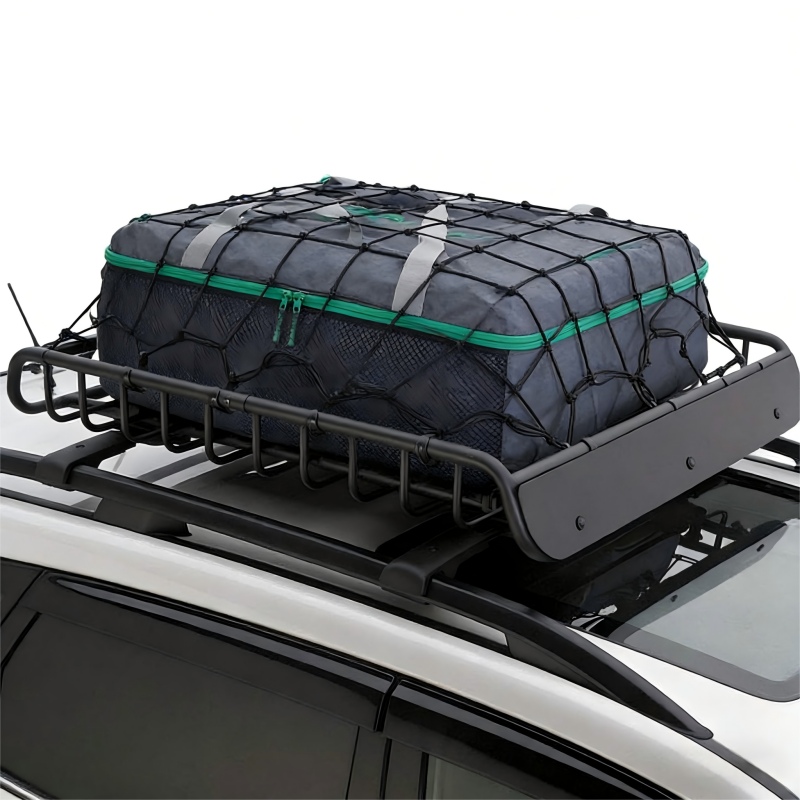
The performance of a high-strength cargo net depends on multiple interconnected characteristics that work together to prevent load shifts, contain debris, and withstand the stresses of motion, vibration, and temperature fluctuations. This comprehensive guide examines the defining factors that separate premium high-strength cargo net solutions from inadequate alternatives, ensuring you understand what to evaluate when selecting containment systems for demanding transport applications.
Material Composition and Tensile Strength
Polymer Selection and Engineering
The foundation of any high-strength cargo net lies in its material composition. Premium high-strength cargo net products typically employ high-density polyethylene or polypropylene blends specifically engineered to resist degradation under UV exposure, chemical contact, and mechanical stress. The tensile strength of the base material determines how effectively the high-strength cargo net can distribute loads across its entire surface without localized tearing or permanent deformation. Industrial-grade polymers used in high-strength cargo net manufacturing undergo rigorous testing to ensure consistent performance across temperature ranges from subfreezing to extreme heat conditions.
Strand Diameter and Weave Density
A high-strength cargo net's physical construction directly correlates with its load-bearing capacity. Thicker strands increase the overall material volume within the high-strength cargo net, while tighter weave patterns distribute pressure more evenly across connection points. Most commercial high-strength cargo net designs utilize strand diameters ranging from 5 to 12 millimeters, with weave patterns specifically calculated to balance flexibility—necessary for conforming to irregular loads—against rigidity needed to prevent excessive sagging. The engineering of a high-strength cargo net's strand configuration determines how forces transmit through the entire net structure rather than concentrating at isolated failure points.
Load Rating and Safety Certification
Breaking Strength and Working Load Limits
Every high-strength cargo net must clearly specify its breaking strength, which represents the maximum force required to cause complete material failure under laboratory conditions. However, the working load limit of a high-strength cargo net is typically set at 20 to 30 percent of breaking strength to account for degradation, knot stress concentration, and unforeseen dynamic forces during transport. A properly specified high-strength cargo net should include documentation detailing how its load rating was determined, including the test standards applied and safety factors incorporated. Professional transport operations always select a high-strength cargo net with working load limits significantly exceeding their anticipated maximum payload to ensure substantial safety margins.
Industry Standards and Compliance
Regulatory frameworks across transportation industries establish minimum performance requirements that define acceptable high-strength cargo net characteristics. Standards such as those established for intermodal transport, flatbed trucking, and securing devices specify edge reinforcement patterns, connection point specifications, and required documentation for any high-strength cargo net used in regulated commercial operations. A compliant high-strength cargo net includes identification labels indicating breaking strength, manufacturing date, and applicable certification marks. Selecting a high-strength cargo net that exceeds baseline compliance standards provides additional confidence in operational safety and reduces liability exposure.
Durability Features and Extended Service Life
Edge Reinforcement and Connection Hardware
The edges of a high-strength cargo net experience concentrated stress during deployment, load application, and removal from transport equipment. Premium high-strength cargo net designs incorporate reinforced edges through methods such as double-stitching, heavy-duty binding tape, or integrated structural reinforcement along perimeter strands. Connection points where a high-strength cargo net attaches to anchor hardware represent critical failure zones, requiring robust hardware such as heavy-gauge steel D-rings, carabiners, or corner reinforcement patches. The durability of a high-strength cargo net's connection system often determines the overall service lifespan more significantly than base material quality, as even premium materials tear at poorly engineered attachment points.
Environmental Resistance and Maintenance Requirements
A high-strength cargo net deployed in outdoor transport environments faces degradation from solar UV radiation, moisture absorption, salt exposure, and thermal cycling. Superior high-strength cargo net formulations include UV inhibitors and weather-resistant treatments that extend service life in harsh conditions by preventing material brittleness and color fading that indicates structural degradation. Maintenance practices directly impact how long a high-strength cargo net remains suitable for operations. Regular inspection protocols that identify wear patterns, fraying, or discoloration allow operators to retire aging high-strength cargo net units before catastrophic failure occurs during critical transport missions. Storage recommendations for a high-strength cargo net include protection from extreme sunlight, moisture accumulation, and temperature extremes that accelerate material degradation between use cycles.
Practical Application Factors and Operational Integration
Dimensional Specifications and Load Conformity
The dimensional specifications of a high-strength cargo net must align with specific transport equipment and anticipated cargo profiles. A high-strength cargo net sized too small creates excessive tension and potential failure points, while oversized designs waste material and reduce containment effectiveness. The optimal high-strength cargo net for specific applications balances coverage area against manageable deployment weight and packed volume when stored. Most operators select a high-strength cargo net with excess dimensional capacity to accommodate cargo profile variations without requiring multiple different net sizes for different transport scenarios.
Handling Characteristics and Operator Safety
The practical usability of a high-strength cargo net significantly impacts real-world safety outcomes and operational efficiency. Nets engineered with optimized flexibility allow personnel to deploy and secure a high-strength cargo net rapidly while minimizing strain injuries from difficult handling. Integrated carrying handles or storage bags improve the practicality of deploying a high-strength cargo net in field conditions where fumbling with tangled netting creates accident risks. The weight of the high-strength cargo net itself matters in operations where personnel manually position and tension the net repeatedly throughout workdays, as excessive weight increases handler fatigue and reduces proper deployment technique compliance.
FAQ
What weight capacity should a high-strength cargo net have for flatbed transport operations?
Most commercial flatbed operations require a high-strength cargo net with working load limits between 5,000 and 15,000 pounds, depending on vehicle capacity and typical cargo profiles. However, professional operators typically select a high-strength cargo net with load ratings 50 to 100 percent higher than anticipated maximum loads to provide safety margin for dynamic forces, degradation, and unforeseen conditions. Verification with vehicle manufacturer specifications and applicable transportation regulations ensures the selected high-strength cargo net meets or exceeds all operational requirements.
How often should a high-strength cargo net be inspected or replaced?
Regular inspection of a high-strength cargo net should occur monthly for frequently used nets and before each use for critical transport missions. Visual examination identifying fraying, discoloration, strand breakage, or hardware corrosion indicates that a high-strength cargo net requires retirement. Most industrial operations replace high-strength cargo net units annually or after 500 deployment cycles, whichever occurs first, ensuring consistent performance and minimizing failure risks that could expose personnel or compromise cargo safety.
Can a single high-strength cargo net be used across different vehicle types?
A versatile high-strength cargo net with generous dimensional specifications can often accommodate multiple vehicle types if corner attachment systems remain compatible. However, the optimal approach involves matching specific high-strength cargo net configurations to particular vehicle types, as properly fitted nets distribute loads more effectively and enable faster deployment. Operators managing mixed fleets typically maintain inventory of multiple high-strength cargo net sizes to ensure each vehicle receives appropriately designed containment systems rather than relying on oversized compromise solutions.