 EN
EN

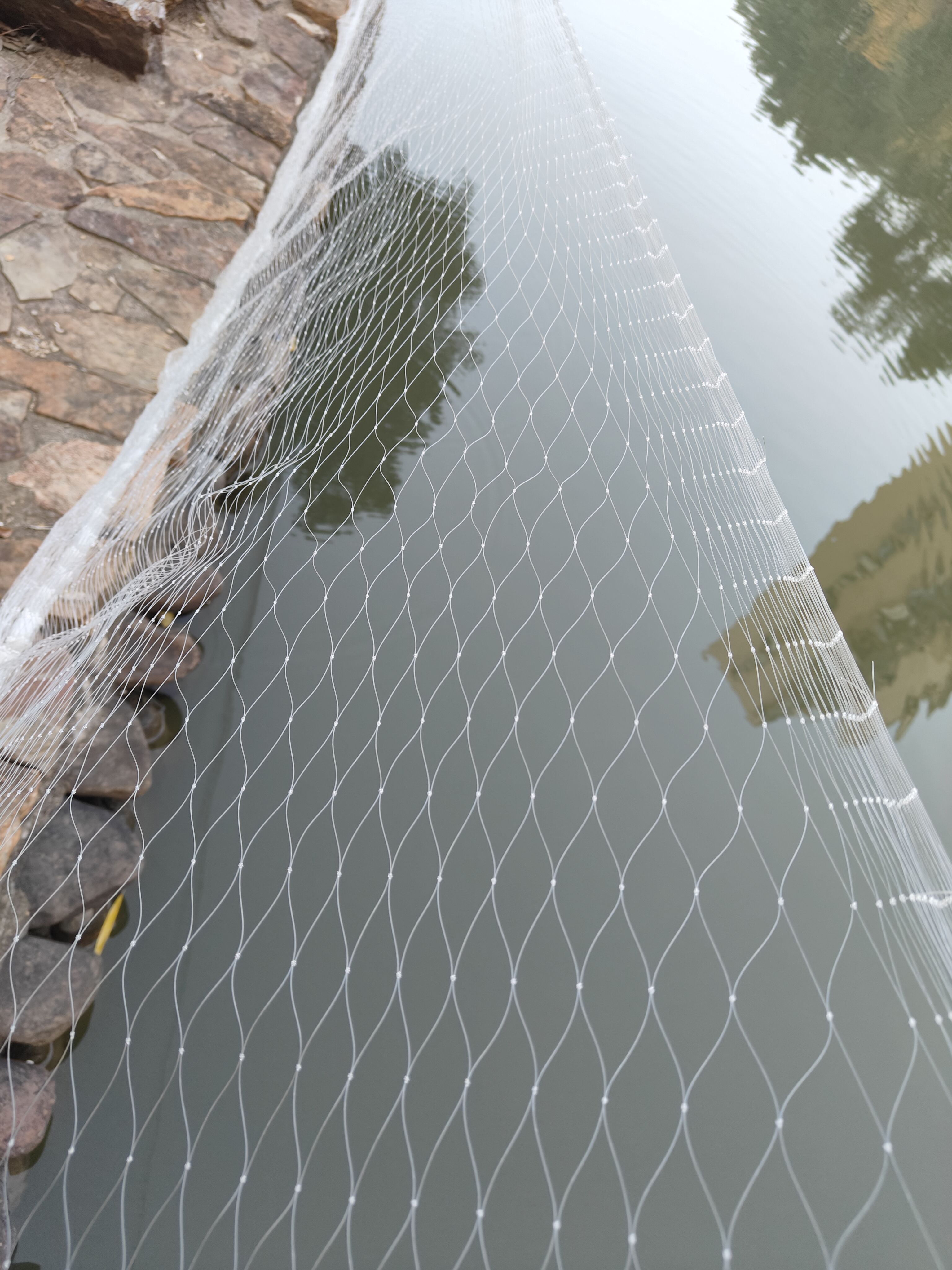
Commercial fishing success depends heavily on understanding how fishing net structure influences catch efficiency and overall performance. The intricate design elements of fishing nets, from mesh size and material composition to twine diameter and knot configuration, directly impact the ability to capture target species while maintaining operational durability. Modern fishing operations require sophisticated knowledge of how these structural components work together to maximize catch rates while minimizing bycatch and equipment failure. Professional fishermen who master the relationship between fishing net structure and performance gain significant competitive advantages in today's challenging marine environments.
Fundamental Components of Fishing Net Architecture
Mesh Configuration and Size Specifications
The mesh configuration represents the foundation of any effective fishing net structure, determining which species can be captured and retained. Mesh size directly correlates with the size range of fish that can be effectively harvested, with smaller meshes capturing juvenile and smaller species while larger meshes allow undersized fish to escape. Diamond-shaped meshes remain the most common configuration due to their ability to open and close dynamically under varying water pressures and fish movement. The relationship between mesh size and fishing net structure efficiency becomes particularly critical when targeting specific species with known size distributions.
Square mesh configurations offer alternative advantages in certain fishing applications, providing more consistent opening dimensions regardless of load direction. These structural variations in fishing net structure can significantly impact catch selectivity and reduce unwanted bycatch. The hanging ratio, which describes how mesh panels are mounted to the headline and footrope, further influences the effective mesh opening and overall net shape during fishing operations.
Material Properties and Structural Integrity
Material selection fundamentally shapes fishing net structure performance through factors including tensile strength, flexibility, and resistance to environmental degradation. Nylon monofilament offers superior strength-to-diameter ratios and reduced water drag, making it ideal for nets requiring high catch efficiency and extended operational life. Polyethylene multifilament provides enhanced flexibility and knot-holding properties, particularly beneficial in fishing net structure applications where frequent handling and deployment occur.
The diameter of individual twines within the fishing net structure directly affects both strength and visibility to target species. Thinner twines reduce water resistance and fish avoidance behaviors but may compromise overall net durability under heavy loads. Modern fishing operations increasingly utilize hybrid material combinations within single net structures, optimizing different sections for specific performance requirements while maintaining overall structural integrity.
Hydrodynamic Performance Factors
Water Flow Dynamics and Net Behavior
Understanding water flow patterns through fishing net structure components enables operators to predict and optimize net performance under various marine conditions. The porosity of the net material, determined by the ratio of open space to total surface area, significantly influences drag forces and towing resistance. Higher porosity generally reduces fuel consumption during trawling operations but may compromise fish retention if not properly balanced with mesh size and configuration.
Turbulence created by fishing net structure elements can either enhance or impede fish capture depending on species behavior and net design. Some species are attracted to the disturbance patterns created by specific net configurations, while others exhibit strong avoidance responses. The angle of attack and towing speed interact with net geometry to create complex flow patterns that experienced fishermen learn to manipulate for maximum effectiveness.
Structural Response to Marine Environment
The dynamic response of fishing net structure to wave action, current variations, and depth changes requires careful consideration during design and deployment phases. Nets must maintain proper shape and fishing geometry despite constantly changing environmental forces that tend to deform the structure. The flexibility characteristics of different materials and construction methods determine how effectively nets adapt to these environmental challenges while preserving catch performance.
Depth-related pressure changes create additional stresses on fishing net structure components, particularly in deep-water operations where pressure differentials can cause significant material compression. The elastic properties of net materials must accommodate these pressure variations without permanent deformation that could compromise mesh geometry or overall structural integrity. Modern net design incorporates these factors through strategic reinforcement placement and material selection optimized for specific depth ranges.
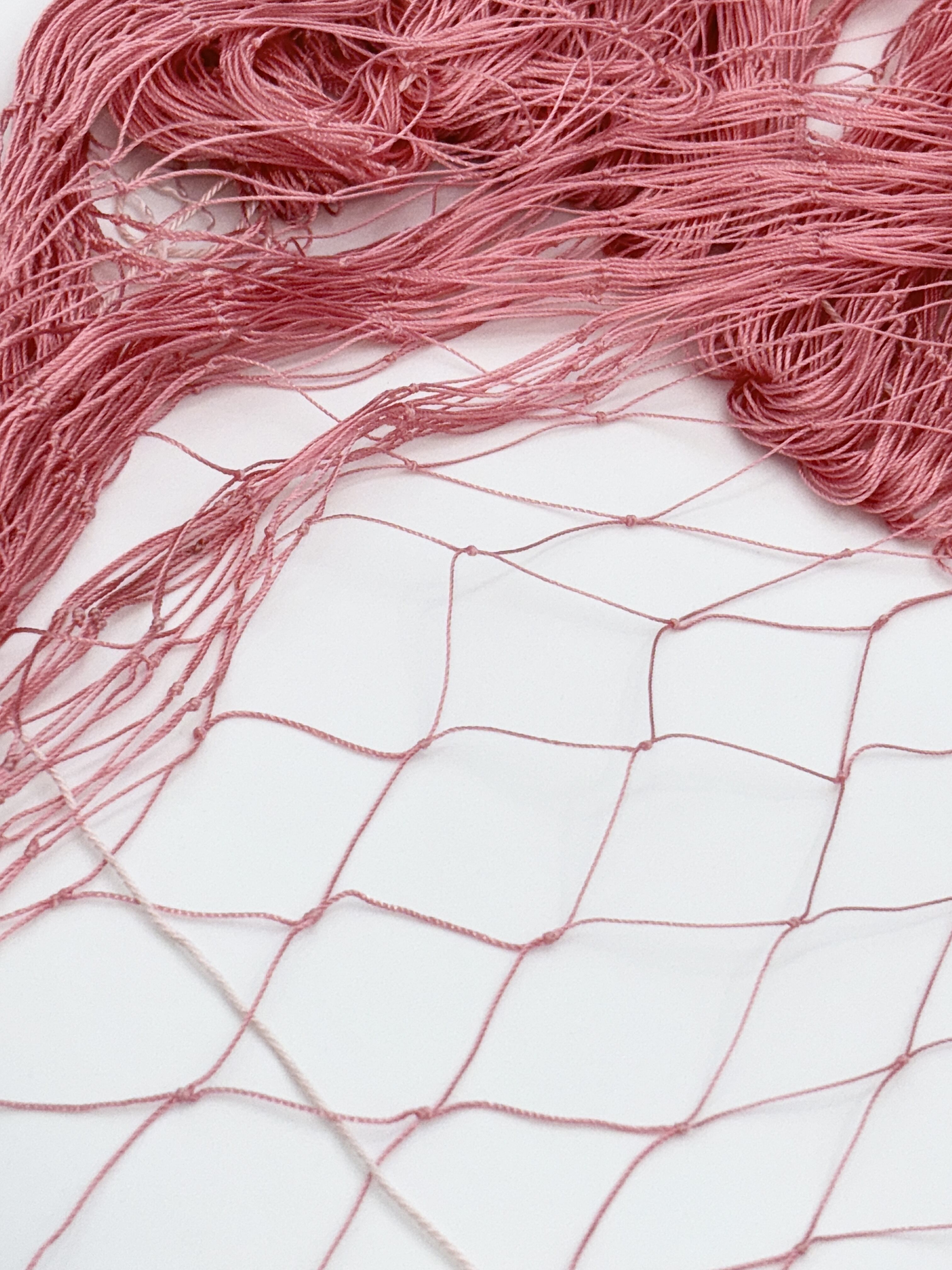
Species-Specific Design Considerations
Target Species Behavior Integration
Effective fishing net structure design must account for the specific behavioral patterns and physical characteristics of target species to maximize capture efficiency. Pelagic species often require different net configurations compared to demersal species due to their distinct swimming patterns and habitat preferences. The schooling behavior of certain fish species influences optimal fishing net structure dimensions and deployment strategies, with larger schools potentially requiring more extensive net systems.
Species-specific escape behaviors necessitate careful consideration of net closure mechanisms and retention features within the overall fishing net structure. Some species exhibit strong upward escape tendencies, requiring reinforced top panels and specialized closure systems. Others demonstrate lateral avoidance patterns that can be countered through strategic wing positioning and funnel configurations that guide fish toward retention areas.
Size Selectivity and Bycatch Reduction
Modern fishing net structure design increasingly emphasizes size selectivity to promote sustainable fishing practices and reduce unwanted bycatch. Escape panels and sorting grids integrated into the fishing net structure allow undersized individuals to exit while retaining commercially valuable specimens. These modifications require careful engineering to maintain overall net integrity while providing effective size-based selection mechanisms.
The positioning of selectivity devices within the fishing net structure significantly influences their effectiveness and impact on overall catch performance. Forward-positioned escape mechanisms may reduce total catch volumes but improve the quality and legal compliance of retained fish. Careful balance between selectivity and catch efficiency requires detailed understanding of target species size distributions and regulatory requirements in specific fishing areas.
Construction Techniques and Quality Control
Knot Configuration and Strength Distribution
The knot systems used in fishing net structure construction directly influence both strength distribution and overall net performance characteristics. Sheet bends and fisherman's knots remain popular choices due to their reliable holding power and relatively simple construction requirements. However, the specific knot type selected must match the material properties and expected load patterns for optimal fishing net structure performance.
Knot spacing and tension uniformity throughout the fishing net structure affect both strength and fishing effectiveness. Irregular knot tension can create weak points that lead to catastrophic failure under heavy loads or during encounters with large fish or marine debris. Quality control procedures during net construction must verify consistent knot formation and proper tension distribution to ensure reliable long-term performance.
Reinforcement Strategies and Wear Management
Strategic reinforcement placement within fishing net structure design extends operational life and maintains performance under demanding conditions. High-stress areas, including corners, attachment points, and codend sections, typically require additional material thickness or alternative construction techniques. The integration of reinforcement elements must preserve the overall flexibility and fishing characteristics while providing enhanced durability.
Preventive maintenance protocols for fishing net structure components help identify wear patterns before they compromise fishing performance or safety. Regular inspection of critical areas allows for targeted repairs that maintain structural integrity without requiring complete net replacement. Understanding wear patterns specific to different fishing methods and environments enables proactive maintenance scheduling that minimizes operational downtime.
Performance Optimization Strategies
Operational Parameter Adjustment
Fine-tuning operational parameters based on fishing net structure characteristics can significantly improve catch performance and fuel efficiency. Towing speed optimization considers the relationship between net geometry, water flow patterns, and target species behavior to identify optimal fishing speeds. The fishing net structure response to different speeds affects both fish herding effectiveness and energy consumption during operations.
Depth control and net positioning strategies must account for the three-dimensional behavior of fishing net structure under various environmental conditions. The ability to maintain proper net geometry at different depths requires understanding of how water pressure, current, and temperature variations affect structural performance. Advanced fishing operations utilize real-time monitoring systems to track fishing net structure behavior and adjust operational parameters accordingly.
Technology Integration and Monitoring
Modern fishing net structure design increasingly incorporates electronic monitoring systems that provide real-time data on net performance and catch accumulation. Sensors embedded within the net structure can monitor mesh deformation, load distribution, and fish movement patterns to optimize fishing strategies. This technology integration enables data-driven adjustments to fishing net structure deployment and retrieval procedures.
Predictive maintenance approaches utilize data collected from fishing net structure monitoring systems to anticipate component failures and schedule preventive interventions. Machine learning algorithms can identify subtle changes in net behavior that indicate developing structural problems before they impact fishing performance. These advanced approaches to fishing net structure management represent the future of efficient and sustainable commercial fishing operations.
FAQ
How does mesh size affect the overall fishing net structure performance?
Mesh size significantly influences fishing net structure performance by determining species selectivity, water flow resistance, and structural load distribution. Smaller meshes increase catch retention but create higher drag forces that require more fuel for towing operations. Larger meshes reduce drag and allow better water flow but may permit undersized fish to escape, affecting overall catch volumes. The optimal mesh size depends on target species, regulatory requirements, and operational efficiency goals.
What role does material selection play in fishing net structure durability?
Material selection fundamentally determines fishing net structure longevity and performance characteristics under marine conditions. High-quality synthetic materials like nylon monofilament offer superior strength-to-weight ratios and resistance to UV degradation and saltwater corrosion. The material choice affects flexibility, knot-holding ability, and resistance to abrasion from contact with seafloor or marine debris. Proper material selection can extend net life by several times compared to inferior alternatives.
How do environmental conditions impact fishing net structure behavior?
Environmental conditions including current speed, wave action, and depth significantly affect fishing net structure geometry and performance. Strong currents can deform net shape and reduce fishing effectiveness, while wave action creates dynamic loads that stress structural components. Depth changes alter pressure conditions that affect net volume and mesh opening dimensions. Understanding these environmental interactions allows operators to adjust fishing strategies and net configurations for optimal performance under varying conditions.
What maintenance practices ensure optimal fishing net structure longevity?
Regular inspection and preventive maintenance practices are essential for maintaining fishing net structure performance and safety. Key maintenance activities include checking for damaged meshes, worn knots, and abraded sections that could lead to catastrophic failure. Proper cleaning after each use removes salt deposits and organic matter that can accelerate material degradation. Systematic repair of minor damage prevents small problems from developing into major structural failures that compromise fishing operations and safety.