 EN
EN

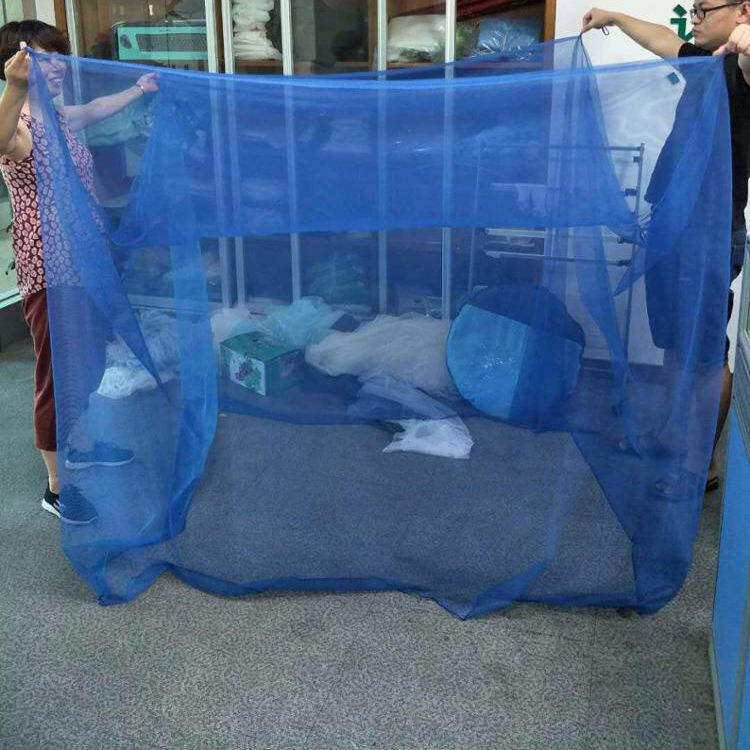
Aquaculture operations face constant pressure to maximize yield while maintaining fish health and system efficiency. Understanding how fishing cage net technology directly impacts production outcomes can transform your approach to yield control and operational profitability. Modern cage net systems provide precise containment mechanisms that allow aquaculture managers to optimize feeding patterns, monitor fish behavior, and maintain optimal stocking densities throughout the production cycle.
The strategic implementation of fishing cage net systems creates controlled aquatic environments where yield variables become measurable and manageable. These specialized containment solutions enable producers to regulate fish movement, optimize feeding efficiency, and implement selective harvesting strategies that directly correlate with improved production metrics. By understanding the operational mechanics behind cage net yield enhancement, aquaculture professionals can make informed decisions about system design and management protocols.
Containment Mechanisms That Drive Yield Optimization
Stocking Density Control and Fish Growth Rates
Fishing cage net systems provide precise control over stocking densities, which directly influences individual fish growth rates and overall production yield. The mesh configuration and cage dimensions determine how many fish can be maintained within optimal growth parameters without triggering stress responses that reduce feed conversion efficiency. Research demonstrates that proper stocking density management through cage net systems can increase yield by 15-25% compared to open water farming methods.
The containment structure allows operators to monitor fish behavior patterns and adjust stocking levels based on observed growth rates and feeding responses. When fish populations exceed optimal density thresholds, the fishing cage net system enables selective removal of specific size classes without disrupting the entire population. This selective management capability ensures that remaining fish continue growing at maximum efficiency while preventing overcrowding stress that typically reduces overall system yield.
Advanced cage net designs incorporate multiple compartment configurations that allow for size-based segregation throughout the growing cycle. This compartmentalization prevents larger fish from monopolizing feed resources and reduces aggressive behaviors that can impact growth uniformity across the population. The result is more predictable yield outcomes and improved harvest planning capabilities.
Feed Distribution Efficiency Within Cage Boundaries
The confined environment created by fishing cage net systems dramatically improves feed utilization efficiency by preventing feed loss to wild fish populations and bottom sediments. Within the cage boundaries, feed pellets remain concentrated around the target fish population, ensuring maximum consumption and optimal feed conversion ratios. This controlled feeding environment typically results in 20-30% better feed efficiency compared to open water systems.
Cage net systems enable implementation of precision feeding protocols where feed quantities can be adjusted based on direct observation of fish feeding behavior and appetite levels. The contained environment allows operators to monitor uneaten feed and adjust feeding schedules accordingly, preventing both underfeeding and feed waste that negatively impact yield outcomes. This real-time feeding optimization contributes significantly to improved growth rates and production efficiency.
The mesh structure of the fishing cage net also influences water circulation patterns within the cage, creating optimal conditions for feed distribution and waste removal. Proper water flow ensures that feed particles reach all areas of the cage while preventing accumulation of waste materials that can degrade water quality and fish health. This environmental control directly supports consistent growth rates and yield predictability.
Environmental Control Systems for Yield Enhancement
Water Quality Management Through Cage Design
Fishing cage net systems create semi-controlled aquatic environments where water quality parameters can be managed more effectively than in open water situations. The cage structure influences water circulation patterns, allowing for better oxygen distribution and waste removal while maintaining optimal conditions for fish growth. Proper cage net design ensures adequate water exchange rates that prevent the accumulation of harmful metabolites that can reduce fish health and growth performance.
The mesh material and configuration of the cage net system directly affect water flow dynamics within the containment area. High-quality nylon monofilament materials provide optimal balance between containment security and water exchange efficiency. The resulting water quality improvements typically translate to 10-15% better growth rates and reduced mortality, directly contributing to higher overall yield outcomes.
Strategic cage placement and orientation relative to prevailing currents maximizes natural water circulation while preventing stagnation zones that can develop harmful bacterial populations. The fishing cage net system acts as a filter mechanism that maintains fish populations within optimal water quality ranges while allowing natural environmental processes to support healthy growth conditions.
Disease Prevention and Health Management
The controlled environment provided by fishing cage net systems significantly reduces disease transmission risks from wild fish populations and external contamination sources. The physical barrier created by the cage net prevents direct contact with potential disease vectors while maintaining sufficient water exchange for healthy environmental conditions. This disease prevention capability typically reduces mortality rates by 20-40% compared to open water systems.
Cage net systems enable implementation of targeted health management protocols including selective treatment applications and quarantine procedures. When health issues are detected, the contained population can be treated efficiently without affecting surrounding aquatic ecosystems or wild fish populations. This targeted approach improves treatment effectiveness while reducing overall medication costs and environmental impact.
The ability to monitor fish behavior and health indicators within the confined space allows for early detection of potential health issues before they impact overall population productivity. Regular health assessments become more practical and accurate within the fishing cage net environment, enabling proactive management strategies that maintain optimal growth conditions and yield outcomes.
Harvesting Efficiency and Yield Optimization
Selective Harvesting Strategies
Fishing cage net systems enable sophisticated harvesting strategies that optimize yield value rather than simply maximizing total biomass. The contained environment allows operators to selectively harvest fish based on size, quality, and market timing considerations. This selective approach typically increases overall revenue per pound by 15-25% compared to bulk harvesting methods used in open water systems.
The cage net structure facilitates partial harvesting operations where specific size classes can be removed without stressing the remaining population. This capability allows producers to respond to market demands for specific fish sizes while maintaining optimal growing conditions for fish that benefit from extended growing periods. The result is better market price realization and improved overall yield value.
Multiple harvesting cycles become practical within fishing cage net systems, allowing operators to harvest mature fish while maintaining breeding populations or continuing to grow smaller fish to target sizes. This flexible harvesting approach maximizes the productive capacity of the aquaculture system while ensuring consistent supply to market channels throughout the production year.
Handling and Processing Efficiency
The controlled environment provided by cage net systems significantly improves fish handling efficiency during harvesting operations. Fish can be concentrated and sorted more effectively within the confined space, reducing handling stress and improving product quality. Reduced stress levels during harvesting typically result in better flesh quality and extended product shelf life.
Cage net systems enable implementation of pre-harvest conditioning protocols where fish can be prepared for optimal processing conditions. This conditioning capability includes feed withdrawal timing and stress reduction procedures that improve final product quality. The controlled environment ensures that these conditioning protocols are applied consistently across the entire harvest population.
The fishing cage net structure facilitates efficient connection to processing equipment and transport systems, reducing handling time and improving product quality. Direct transfer capabilities from cage to processing minimize fish exposure to air and handling stress, preserving product quality and extending market value. These handling efficiencies contribute directly to improved yield value and operational profitability.
System Monitoring and Data Collection for Yield Analysis
Growth Monitoring and Performance Tracking
Fishing cage net systems provide ideal platforms for implementing comprehensive monitoring systems that track growth performance and yield indicators throughout the production cycle. The contained environment enables regular sampling and measurement procedures without disrupting the entire fish population. This monitoring capability allows operators to identify growth trends and adjust management practices in real-time to optimize yield outcomes.
The confined space within cage net systems facilitates installation of automated monitoring equipment including feed sensors, water quality probes, and fish behavior cameras. These monitoring systems provide continuous data streams that enable predictive management approaches and early intervention when conditions threaten to impact yield performance. Data-driven management typically improves yield consistency and reduces production risks.
Regular growth sampling becomes more practical and accurate within the fishing cage net environment, enabling precise calculation of feed conversion ratios and growth projections. This performance data supports optimization of feeding schedules, stocking densities, and harvesting timing to maximize overall system yield. The controlled environment ensures that monitoring data accurately reflects the impact of management decisions on production outcomes.
Environmental Data Integration
Cage net systems enable collection of detailed environmental data that correlates directly with fish growth performance and yield outcomes. Temperature, oxygen, and current monitoring within the cage environment provides insights into optimal production conditions and helps predict yield variations based on environmental changes. This environmental integration supports proactive management strategies that maintain optimal growing conditions.
The fishing cage net structure provides stable platforms for installing environmental monitoring equipment that tracks conditions specifically within the fish growing environment. This localized monitoring capability ensures that environmental data accurately reflects conditions experienced by the fish population, enabling more precise correlation between environmental factors and growth performance.
Long-term environmental data collection within cage net systems supports development of predictive models that forecast yield outcomes based on seasonal and environmental patterns. These predictive capabilities enable better production planning and resource allocation decisions that optimize overall system profitability and yield consistency over multiple production cycles.
FAQ
How much can fishing cage net systems typically improve aquaculture yield compared to open water methods?
Fishing cage net systems typically improve overall yield by 20-35% compared to open water aquaculture methods. This improvement results from better feed conversion efficiency (20-30% improvement), reduced mortality rates (20-40% reduction), improved stocking density control, and enhanced harvesting efficiency. The specific improvement depends on system design, management practices, and local environmental conditions.
What factors determine the optimal mesh size and material for yield optimization in cage net systems?
Optimal mesh size depends on the target fish species and size, with smaller mesh preventing fish escape while maintaining adequate water flow for health and growth. High-strength nylon monofilament materials provide the best balance of durability, water flow characteristics, and containment security. The mesh should be small enough to contain the smallest fish size while large enough to ensure at least 85% water exchange efficiency for optimal growing conditions.
How do fishing cage net systems affect the feeding efficiency and growth rates of contained fish populations?
Cage net systems typically improve feeding efficiency by 25-35% by preventing feed loss to wild fish and bottom sediments. The contained environment allows for precision feeding based on direct observation of fish appetite and behavior. This controlled feeding approach results in better feed conversion ratios and more uniform growth rates across the fish population, with typical growth rate improvements of 15-25% compared to open water systems.
What monitoring capabilities do fishing cage net systems provide for tracking yield performance and optimizing production?
Cage net systems enable comprehensive monitoring including regular growth sampling, feed conversion tracking, water quality measurement, and fish behavior observation. The contained environment facilitates installation of automated monitoring equipment and supports data collection that correlates environmental conditions with growth performance. This monitoring capability enables real-time management adjustments and predictive yield forecasting that optimize production outcomes and reduce operational risks.
Table of Contents
- Containment Mechanisms That Drive Yield Optimization
- Environmental Control Systems for Yield Enhancement
- Harvesting Efficiency and Yield Optimization
- System Monitoring and Data Collection for Yield Analysis
-
FAQ
- How much can fishing cage net systems typically improve aquaculture yield compared to open water methods?
- What factors determine the optimal mesh size and material for yield optimization in cage net systems?
- How do fishing cage net systems affect the feeding efficiency and growth rates of contained fish populations?
- What monitoring capabilities do fishing cage net systems provide for tracking yield performance and optimizing production?