 EN
EN

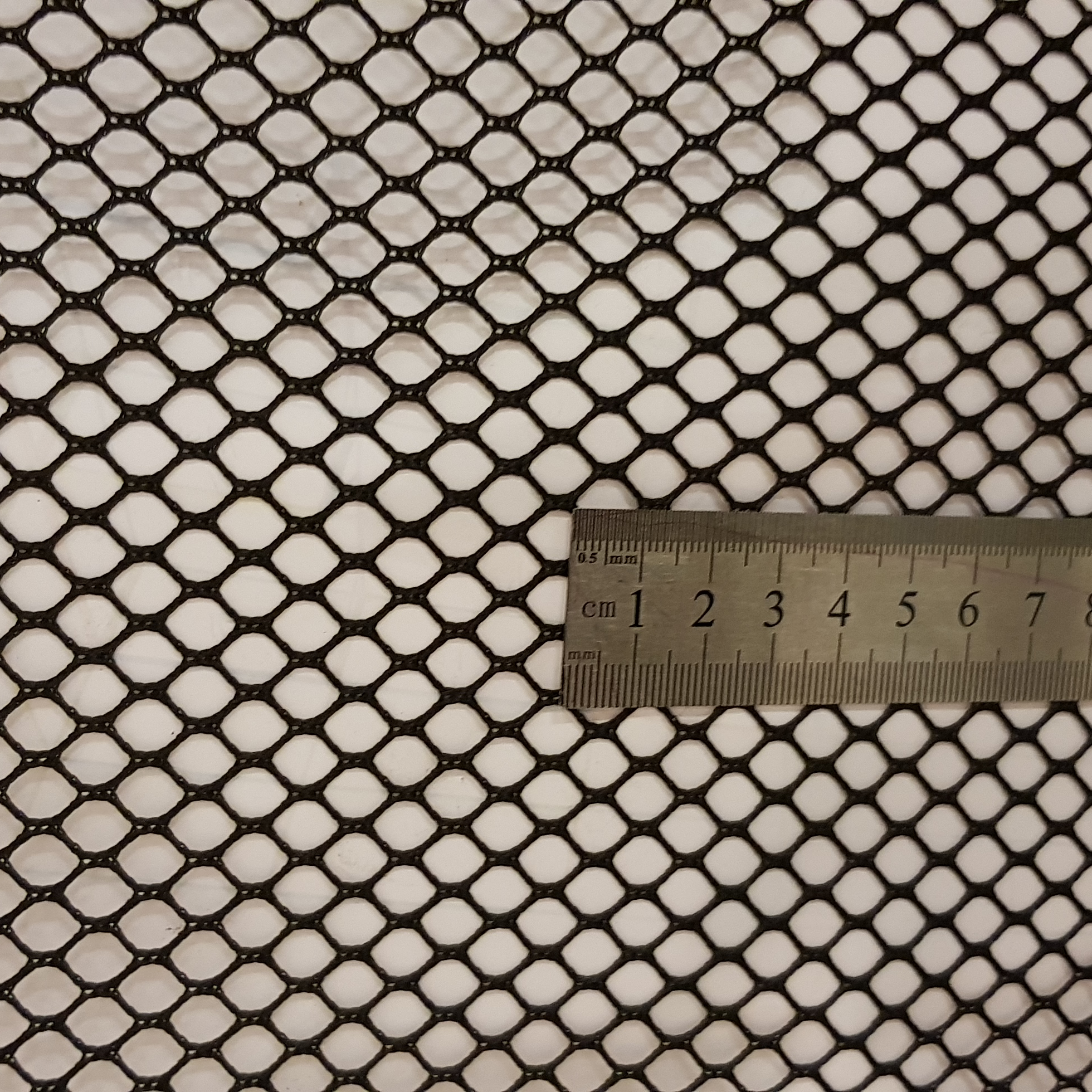
Safety nets are essential protective barriers in industrial environments, but their effectiveness depends heavily on proper adaptation to specific project requirements. Different industrial projects present unique challenges, constraints, and operational demands that require tailored approaches to safety net deployment. Understanding how to adapt safety nets for various applications ensures maximum protection while maintaining cost efficiency and compliance with industry standards.
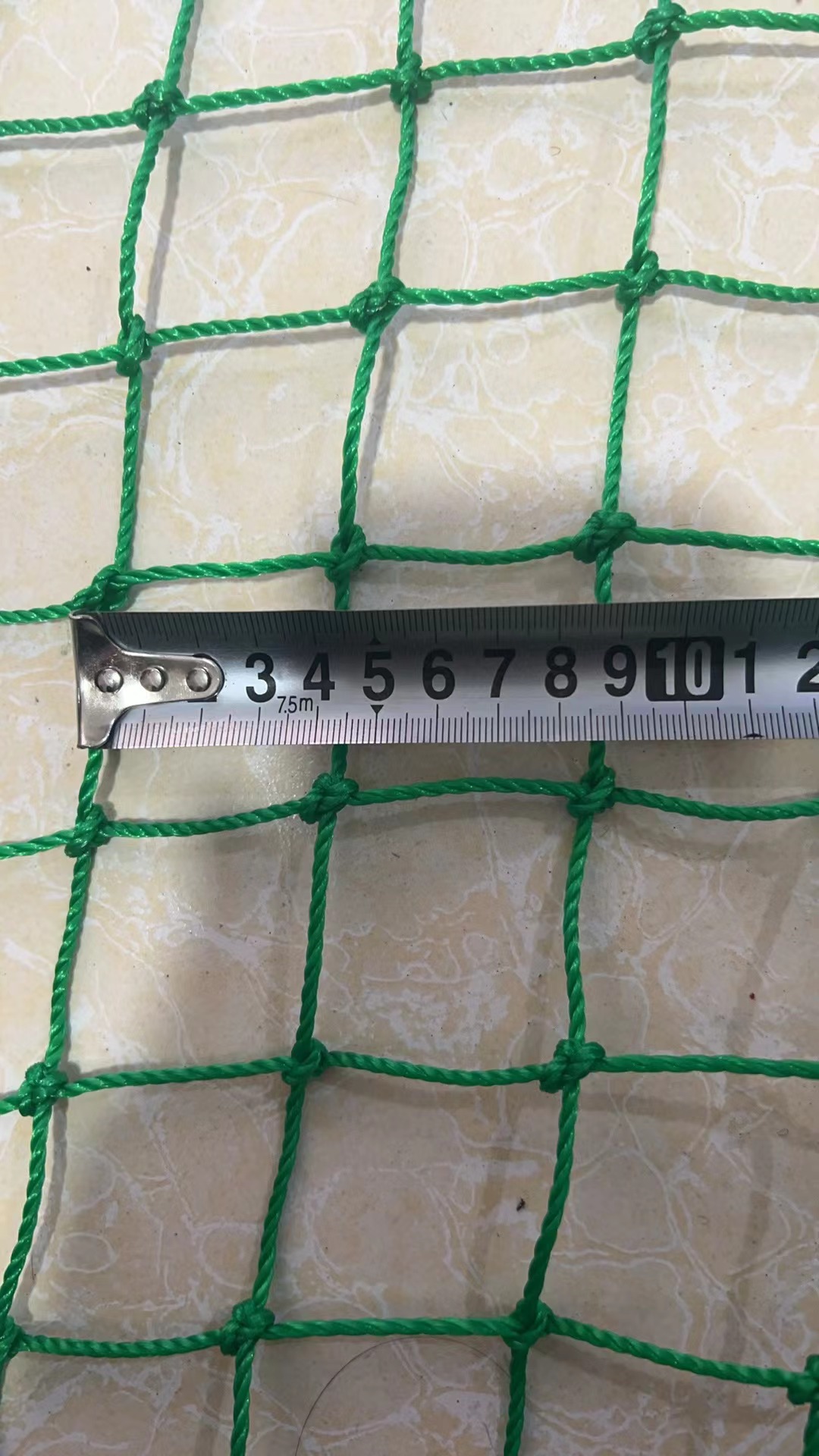
The process of adapting safety nets begins with comprehensive project assessment and risk analysis. Industrial facilities must evaluate site-specific conditions, worker activities, equipment configurations, and environmental factors to determine the most suitable safety net solutions. This customization approach transforms generic safety nets into targeted protective systems that address the precise hazards present at each location, ultimately reducing accident risk and improving workplace safety outcomes.
Understanding Safety Net Customization Fundamentals
Material Selection for Project-Specific Needs
Safety nets come in various materials, each offering distinct advantages for particular industrial applications. HDPE (high-density polyethylene) safety nets provide excellent durability and UV resistance, making them ideal for outdoor industrial projects exposed to harsh weather conditions. Nylon safety nets offer superior flexibility and elasticity, absorbing impact energy effectively and preventing worker injuries from falls or flying debris. When adapting safety nets to your project, material selection must align with environmental exposure, expected impact forces, and maintenance requirements. Construction sites with continuous sunlight exposure benefit from UV-stabilized safety nets, while indoor manufacturing facilities may prioritize cost-effective nylon alternatives.
Mesh Size and Opening Specifications
The mesh opening size of safety nets directly affects their protective capability and determines what hazards they can effectively contain. Standard industrial safety nets typically feature mesh openings ranging from 25mm to 40mm, depending on the specific hazards being addressed. Smaller mesh openings provide superior protection against smaller objects and debris but may reduce visibility and ventilation. When adapting safety nets for different industrial projects, engineers must balance protection requirements with operational practicality. High-rise construction projects often require safety nets with tighter mesh configurations to prevent tool drops and material spillage, while warehouse applications may utilize larger openings for improved air circulation and staff visibility.
Adaptation Strategies for Distinct Industrial Applications
Perimeter Protection and Edge Containment
Many industrial projects require safety nets adapted specifically for perimeter protection around elevated work areas. These adapted safety nets create containment barriers that prevent workers and materials from falling to lower levels or adjacent work zones. The installation configuration must accommodate site-specific architectural features, including irregular building edges, protruding equipment, and temporary structural elements. Adapting safety nets for perimeter applications involves custom sizing, reinforced attachment points, and integration with existing guardrail systems. When safety nets are properly adapted for edge containment, they provide reliable fall arrest capability while allowing continued project workflow and material movement.
Debris Containment and Catch Systems
Industrial demolition, renovation, and manufacturing projects frequently generate significant debris that requires specialized containment. Safety nets adapted as debris catch systems must withstand concentrated loads from falling materials without tearing or displacing. These adapted safety nets typically feature reinforced framework, heavy-duty attachment hardware, and strategic placement beneath work areas where material release is anticipated. The mesh configuration for debris containment differs significantly from worker fall protection, requiring larger opening sizes for easier material collection while maintaining load capacity. Adapting safety nets to function as debris containment systems requires careful assessment of material weight, fall distance, and debris characteristics to ensure the system performs reliably under actual site conditions.
Vertical Access and Façade Work Adaptation
Exterior façade work, window installation, and vertical maintenance tasks demand safety nets adapted to vertical surface configurations and suspended platform operations. These specialized adapted safety nets must accommodate scaffold systems, suspended platforms, and temporary rigging while maintaining continuous fall protection coverage. The installation of adapted safety nets for vertical applications requires strategically positioned anchor points, specially designed mounting hardware, and careful coordination with other safety systems. When safety nets are properly adapted for façade and vertical work, they protect workers from both falls and lateral movement while allowing efficient completion of maintenance and construction tasks at height.
Technical Implementation and Installation Considerations
Structural Attachment and Load Rating Analysis
Successful adaptation of safety nets depends on proper structural analysis and attachment design. Every adapted safety net system must incorporate load-rated anchor points capable of supporting anticipated impact forces, material loads, and environmental stresses. Professional engineers evaluate building structure, determine attachment capacity, and design reinforcement systems that distribute loads safely across multiple anchor locations. The installation of adapted safety nets requires verification that attachment hardware meets relevant safety standards and that structural elements can support loads without compromise. Improper attachment of safety nets undermines their protective function and creates liability exposure, making professional assessment essential for all industrial applications.
Environmental and Operational Integration
Adapting safety nets for industrial projects requires consideration of environmental conditions and operational workflow requirements. Weather exposure, temperature fluctuations, chemical exposure, and intense sunlight all affect the performance and longevity of safety nets adapted for outdoor applications. Safety nets must be adapted to accommodate ventilation requirements, visibility needs, and material movement patterns specific to each project type. The installation of adapted safety nets should minimize disruption to production activities while maintaining continuous protective coverage throughout project duration. When safety nets are thoughtfully adapted to environmental and operational contexts, they provide sustained protection without becoming obstacles to productivity or worker efficiency.
Compliance and Safety Standards Integration
All adapted safety nets must comply with applicable industry standards, building codes, and regulatory requirements governing fall protection and hazard containment. Different jurisdictions impose varying requirements for safety net specifications, installation methods, and inspection intervals, making regulatory awareness essential when adapting systems for specific projects. Professional safety net adaptation typically involves documentation of safety net specifications, installation procedures, and load testing results to demonstrate compliance with applicable standards. When safety nets are adapted with full attention to regulatory requirements, they provide both protective capability and documented evidence of due diligence in workplace safety management.
FAQ
What factors determine how safety nets should be adapted for a specific industrial project?
Safety nets adaptation depends on multiple factors including project type, work height, material being handled, environmental conditions, worker density, and regulatory requirements. A comprehensive site assessment evaluates these variables to determine appropriate mesh size, material composition, attachment methods, and coverage configuration. Different industrial projects present unique hazard profiles, making customized adaptation essential for optimal protection and operational efficiency.
How do material differences affect the performance of adapted safety nets in industrial environments?
Different safety net materials offer distinct advantages and limitations for various industrial applications. HDPE safety nets provide superior UV resistance and outdoor durability, while nylon safety nets offer better impact energy absorption and flexibility. The choice of material for adapted safety nets significantly influences service life, maintenance requirements, cost factors, and protective performance, making material selection a critical adaptation decision.
Can safety nets be adapted to work alongside other fall protection systems in industrial projects?
Yes, safety nets frequently function as complementary components within comprehensive fall protection systems that may include guardrails, harnesses, and warning lines. When properly adapted for integration with other safety systems, safety nets enhance overall protection and provide backup containment in situations where other systems may not be fully effective. Coordinated adaptation of multiple safety systems requires professional planning and careful consideration of interaction effects.