 EN
EN

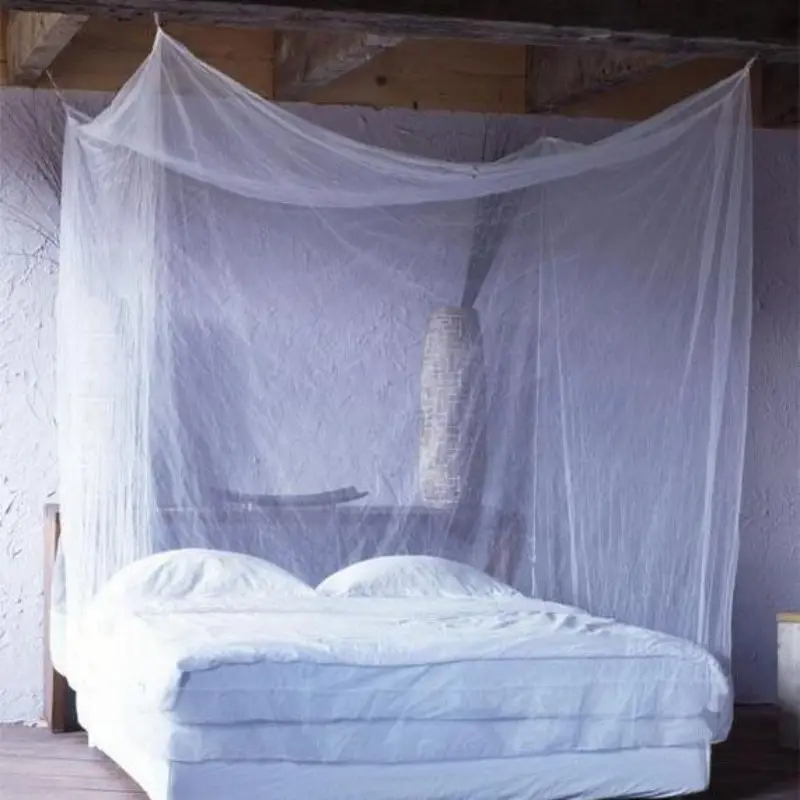
Selecting the appropriate polyester mesh fabric for your project requires understanding multiple technical and practical factors. Whether you're designing protective barriers, filtration systems, or specialized industrial applications, the right choice directly impacts performance, longevity, and cost-effectiveness. The diversity of polyester mesh fabric options available in the market means that making an informed decision involves evaluating mesh count, durability ratings, environmental resistance, and specific project requirements.

Understanding polyester mesh fabric characteristics ensures you avoid costly mistakes and achieve optimal results. This guide walks you through the essential criteria for selecting polyester mesh fabric that aligns with your project's technical specifications, environmental conditions, and performance expectations. By evaluating these factors systematically, you can confidently choose polyester mesh fabric that delivers reliability and value.
Understanding Mesh Count and Weave Density
The Role of Mesh Count in Performance
Mesh count refers to the number of openings per linear inch in your polyester mesh fabric, directly influencing what particles or organisms the fabric can block. A higher mesh count in polyester mesh fabric means smaller openings, providing finer filtration or better protection against smaller materials. Conversely, lower mesh counts allow greater airflow and faster liquid drainage, making polyester mesh fabric suitable for applications where unrestricted flow is essential. Understanding your specific filtration or barrier requirement is crucial before selecting polyester mesh fabric density.
The relationship between mesh count and material visibility is particularly important in protective applications. When choosing polyester mesh fabric, a count between 100 and 200 typically handles general filtration and insect protection, while specialized industrial polyester mesh fabric may require 300 or higher counts. Each polyester mesh fabric specification represents a trade-off between protection level and flow rate, so your project requirements must guide this decision.
Weave Pattern Considerations
Polyester mesh fabric comes in several weave patterns, each affecting structural integrity and flexibility. Plain weave polyester mesh fabric offers straightforward construction and consistent performance, making it ideal for general-purpose applications. Twill weave polyester mesh fabric provides enhanced durability and diagonal strength patterns, suited for high-stress environments where the fabric experiences constant friction or tension. Your project environment and durability expectations should determine which weave pattern of polyester mesh fabric you select.
The flexibility of your chosen polyester mesh fabric weave also impacts installation and maintenance. Tightly woven polyester mesh fabric resists deformation but may require careful handling during installation. Understanding the weave pattern of polyester mesh fabric helps predict how it will perform under real-world conditions specific to your application.
Evaluating Material Properties and Environmental Resistance
Chemical and UV Resistance in Polyester Mesh Fabric
Polyester mesh fabric inherently resists moisture degradation better than natural fiber alternatives, making it suitable for humid and wet environments. However, prolonged ultraviolet exposure can weaken polyester mesh fabric over time, particularly in outdoor applications where sun exposure is constant. When evaluating polyester mesh fabric for outdoor use, consider whether UV-stabilized versions are necessary to maintain performance throughout the expected service life. Different polyester mesh fabric formulations offer varying levels of UV protection, so this factor should influence your selection process.
Chemical exposure is another critical consideration for your polyester mesh fabric choice. Industrial environments may expose polyester mesh fabric to oils, solvents, or corrosive materials that affect fabric integrity. Testing polyester mesh fabric compatibility with specific chemicals in your environment prevents premature failure and unexpected replacement costs. Many polyester mesh fabric products include chemical resistance specifications that help guide this evaluation.
Temperature Performance and Flexibility
Temperature extremes can compromise the structural integrity of polyester mesh fabric, affecting both flexibility and tensile strength. Most polyester mesh fabric maintains adequate performance between minus twenty and eighty degrees Celsius, but specialized applications may require polyester mesh fabric formulated for extended temperature ranges. Understanding the seasonal temperature variations and operational heat in your environment helps ensure your polyester mesh fabric selection remains stable year-round.
Flexibility retention across temperature ranges distinguishes high-performance polyester mesh fabric from standard options. When your application involves temperature cycling or exposure to thermal stress, selecting premium polyester mesh fabric that resists brittleness ensures consistent barrier function. This factor becomes particularly important in industrial settings where temperature fluctuations occur frequently.
Application-Specific Selection Criteria
Protective Barrier Applications
For protective applications like insect screening or particle filtration, the appropriate mesh size of polyester mesh fabric determines effectiveness. Mosquito protection requires finer polyester mesh fabric, typically 150 to 200 mesh count, to reliably block insects while maintaining reasonable visibility and airflow. Agricultural and food processing applications may need different mesh specifications in polyester mesh fabric, depending on whether you're filtering seeds, dust, or larger debris. Evaluating the specific threats and contaminants your project faces guides the optimal polyester mesh fabric specification.
The aesthetic and functional balance in protective polyester mesh fabric applications influences user acceptance. A polyester mesh fabric that filters effectively but blocks too much light may create undesirable working conditions, whereas insufficient polyester mesh fabric density may fail to provide required protection. Testing your preferred polyester mesh fabric sample in the actual installation environment before full-scale deployment helps confirm its suitability.
Industrial and Commercial Applications
Heavy-duty industrial environments demand polyester mesh fabric with superior tensile strength and resistance to mechanical wear. Equipment vibration, constant friction, and pressure fluctuations stress polyester mesh fabric differently than protective barriers in residential settings. Reinforced polyester mesh fabric with added coating or lamination provides enhanced durability for demanding industrial applications where standard polyester mesh fabric may deteriorate quickly.
Cost-benefit analysis in industrial polyester mesh fabric selection must consider replacement frequency and downtime costs alongside material price. Higher-quality polyester mesh fabric may carry a premium cost but deliver substantially longer service life, ultimately reducing total cost of ownership. Collaborative evaluation with equipment manufacturers helps ensure your selected polyester mesh fabric meets their specifications and performance requirements.
Installation and Maintenance Considerations
Installation Compatibility and Method
Different mounting systems require polyester mesh fabric with specific edge treatments and flexibility characteristics. Some installations demand polyester mesh fabric that stretches easily over frames, while others require rigid polyester mesh fabric that maintains dimensional stability. Understanding your installation method before purchasing polyester mesh fabric ensures the fabric's physical properties align with mounting requirements and prevents installation difficulties or performance problems.
Edge finishing in polyester mesh fabric affects both installation ease and longevity. Hemmed edges in polyester mesh fabric prevent fraying and provide reinforced attachment points, while untreated edges in polyester mesh fabric require careful handling and immediate mounting. Verifying edge treatment specifications in your polyester mesh fabric selection simplifies installation workflow and extends functional lifespan.
Maintenance and Longevity Planning
Routine cleaning requirements vary depending on your polyester mesh fabric type and application environment. Most polyester mesh fabric cleans effectively with mild soap and water, but certain industrial polyester mesh fabric may require specific solvents or cleaning protocols. Establishing maintenance schedules and identifying compatible cleaning methods before installation ensures your polyester mesh fabric maintains performance throughout its expected service life.
Degradation patterns differ significantly among polyester mesh fabric grades and environmental exposures. Regular inspection of polyester mesh fabric identifies early signs of wear, UV damage, or chemical attack, allowing proactive replacement before catastrophic failure occurs. Documenting when specific polyester mesh fabric installations reach end-of-life helps calibrate expectations for future applications in similar environments.
FAQ
What mesh count should I choose for my polyester mesh fabric application?
The ideal mesh count for your polyester mesh fabric depends on what particles or organisms you need to block. General protective applications typically use polyester mesh fabric with 100 to 150 mesh count, insect protection requires 150 to 200, and specialized filtration may demand 300 or higher. Evaluate your specific barrier or filtration requirement to determine the appropriate mesh density for your polyester mesh fabric project.
How long does polyester mesh fabric typically last outdoors?
Standard polyester mesh fabric lasts three to five years in outdoor environments with regular sun exposure, while UV-stabilized polyester mesh fabric can perform reliably for seven to ten years. Longevity depends on climate severity, maintenance frequency, and whether your polyester mesh fabric receives direct or filtered sunlight. Regular inspection and proactive maintenance extend the functional lifespan of your polyester mesh fabric investment.
Can polyester mesh fabric resist chemical exposure in industrial settings?
Most polyester mesh fabric resists moisture and common industrial chemicals, but performance varies by formulation and exposure type. Testing your specific polyester mesh fabric candidate against chemicals present in your environment prevents selection errors and unexpected failures. Consulting chemical compatibility charts for your chosen polyester mesh fabric and verifying resistance claims with suppliers ensures industrial application success.